







 Biology, Primary School

4675553 / 5563701
Hare and Rabbit
Similarities and Differences
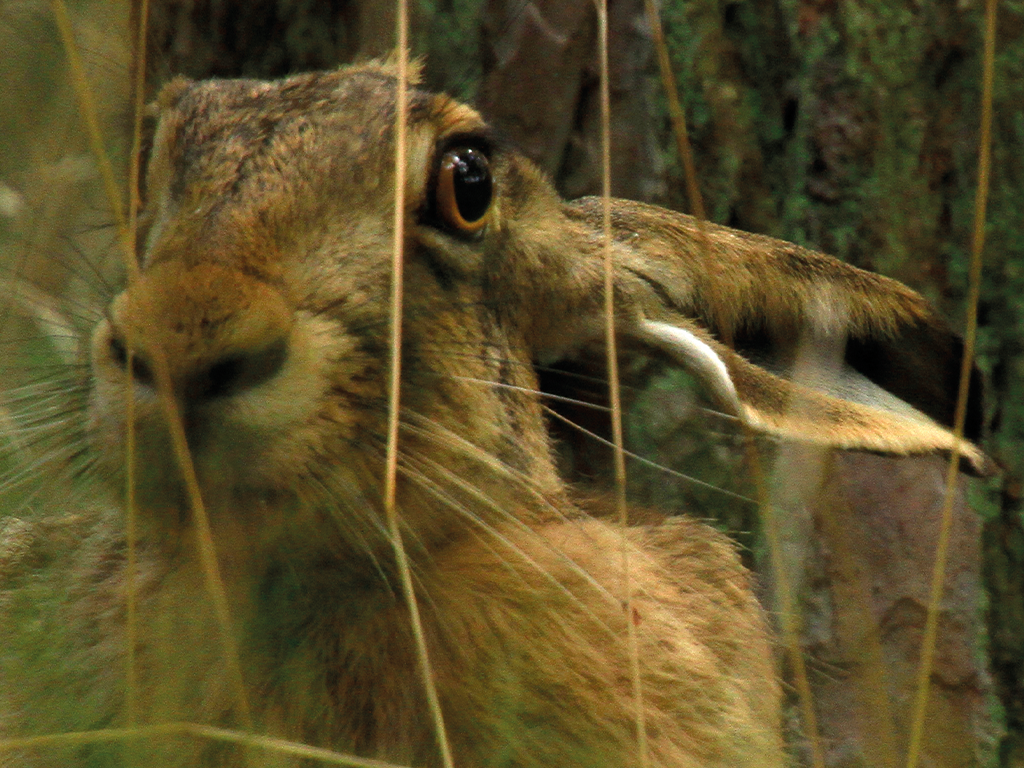
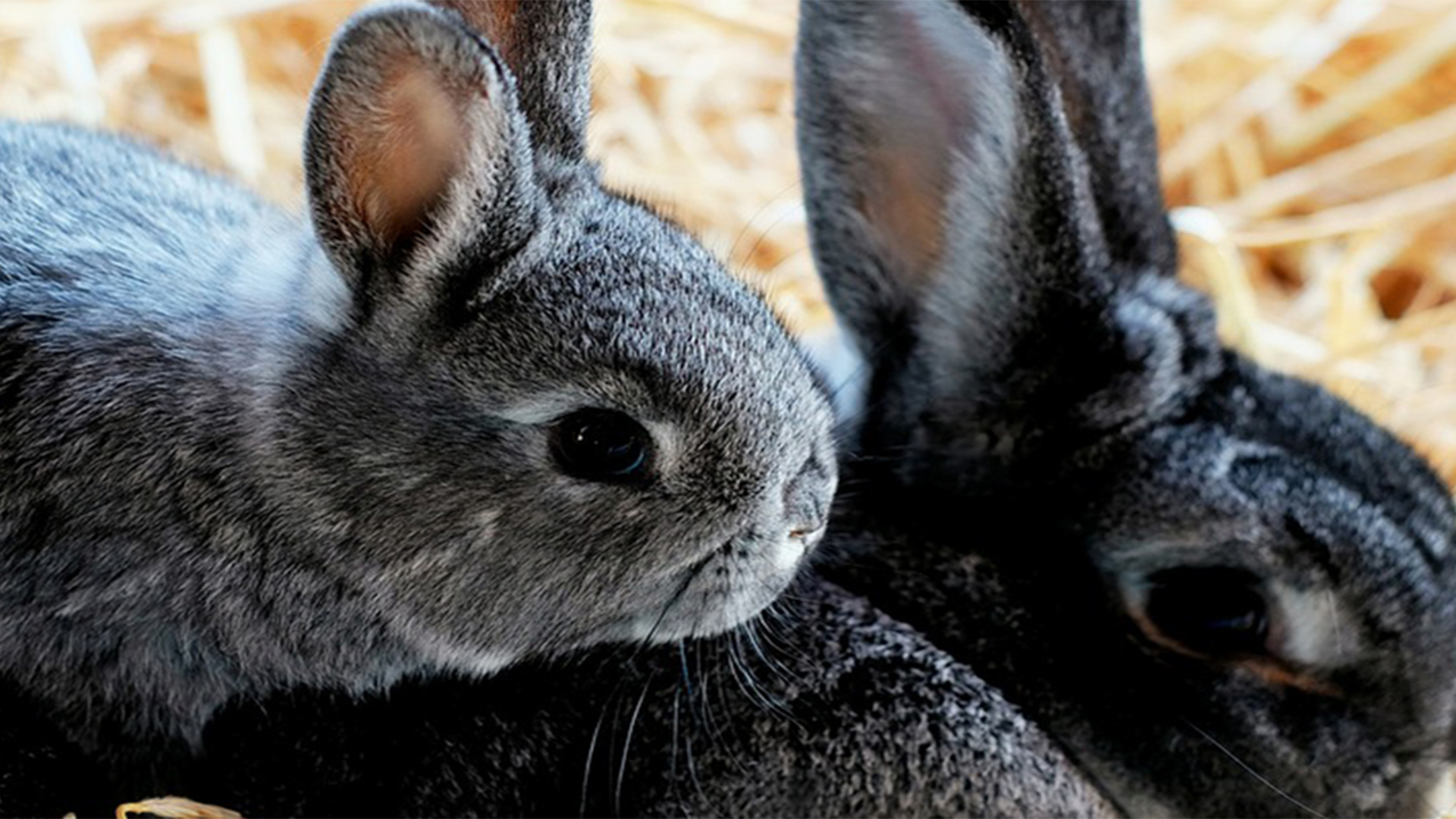
How do we distinguish between a hare and a rabbit? At first sight, both look confusingly alike for both have long ears and a stumpy tail.
But what is the one with the drooping ears? Or with the blue eyes? And what is the one with the long hair?
A hare or a rabbit?
Even though it seems somewhat confusing at first glance, it is actually not that hard to distinguish between a hare and a rabbit.
- <> Languages : DE, EN, TR
- <> Target Groups : FÖ, GRU, Sek I
- <> Subject : Biology, Primary School
- <> Length : 15:16 min
- View in learning platform
Licenses
Curriculum-centred and oriented towards educational standards
Matching

Product Piracy
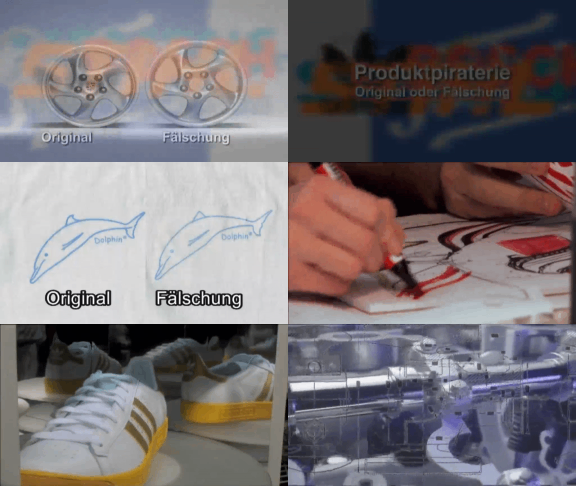
Counterfeiting takes place in almost all economic sectors – textiles, watches, car parts, machine parts, tools, accessories, software and medicines. Some counterfeits are easy to recognise, others are so well-executed that even experts have difficulty distinguishing between original and imitation. This DVD covers the development of a product from idea to manufacture. Once a product has become a trademark, product pirates appear on the scene.

Youth Movement
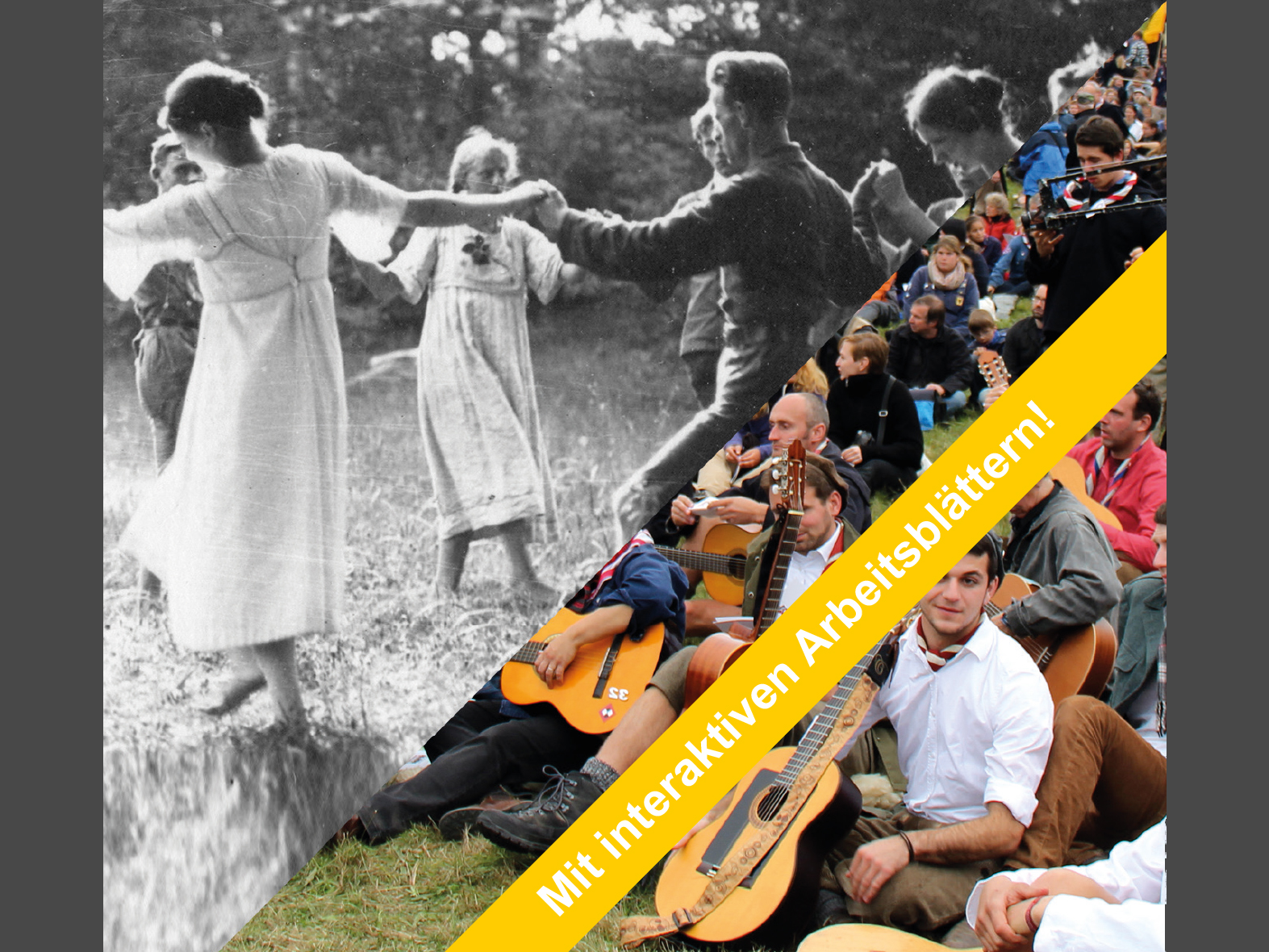
Dancing until your feet hurt: Here, at the meeting on the Hoher Meissner near Kassel, 3,500 participants from Boy Scout associations, youth and Wandervogel groups from all over the German-speaking region have gathered. They want to celebrate, simply get to know each other and commemorate a historic anniversary.
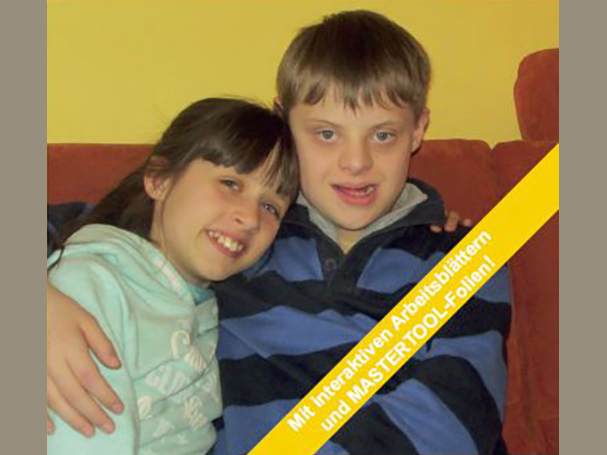

Tolerance
“Tolerance means being generous and kind to other people and helping them, too.”