







 Biology
46502156 / 55501781
Skin
Structure and function
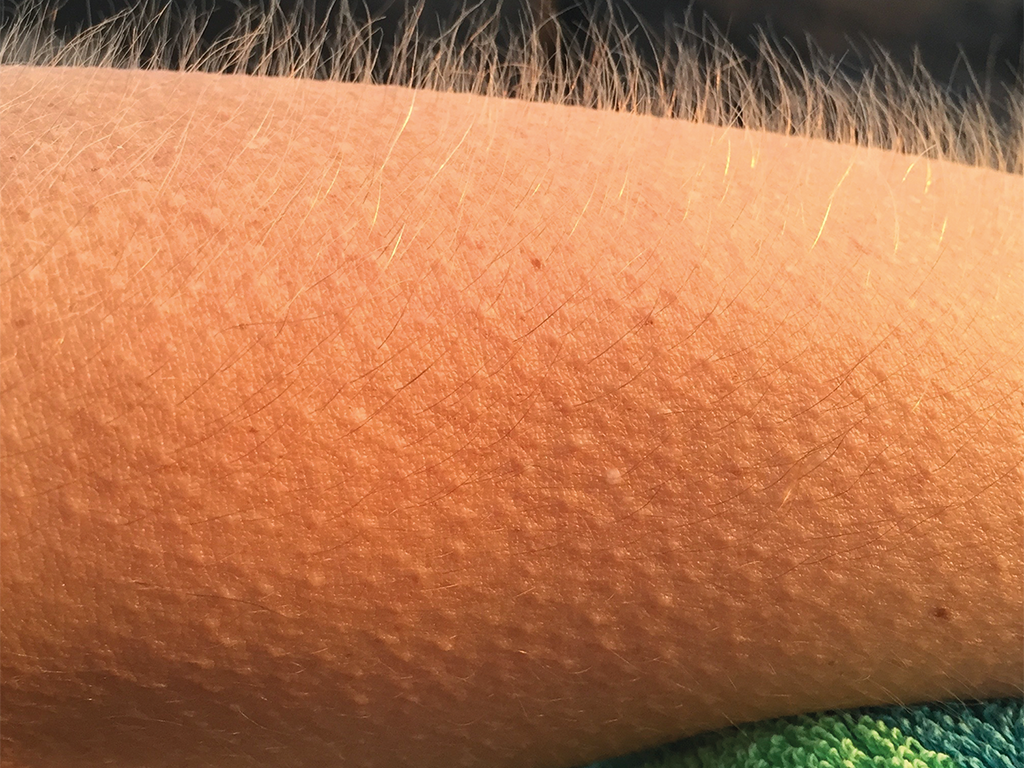
It is essential for survival. It can cool the body, but must be protected from the cold as well as the sun. It changes with age. We are talking about the skin.
The film presents the skin, its structure and function in a very clear and well-structured way. First, the different skin layers are explained. Then the skin appendages such as the hair, the sebaceous and sweat glands and the fingernails are explained. The film also shows how the skin changes with age, our state of mind and during illness. The film concludes with the sense of touch.
In combination with the extensive additional material (worksheets, interactive tasks), this medium can be used excellently in class.
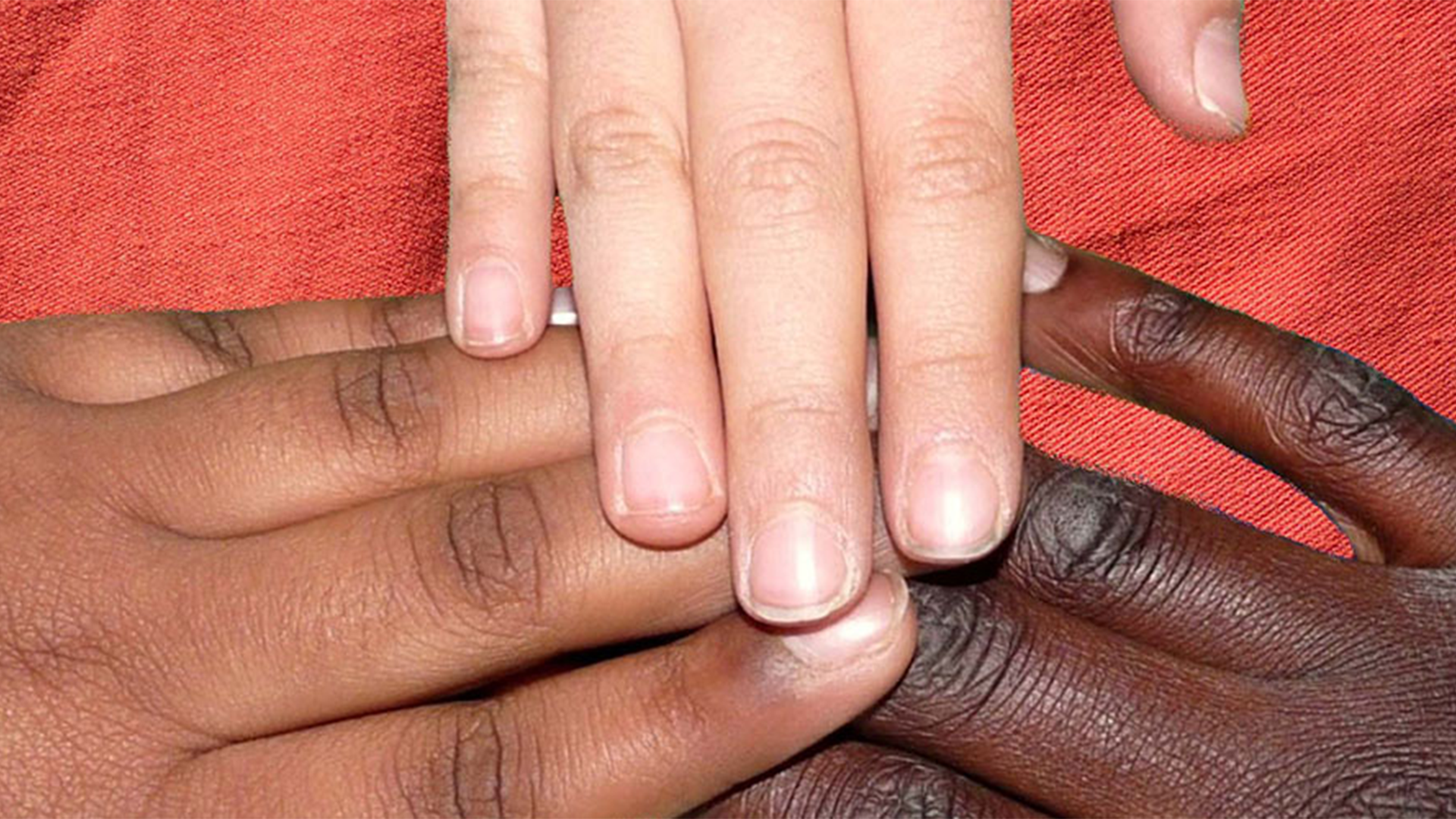
Curriculum-centred and oriented towards educational standards
Matching

The Daily Newspaper
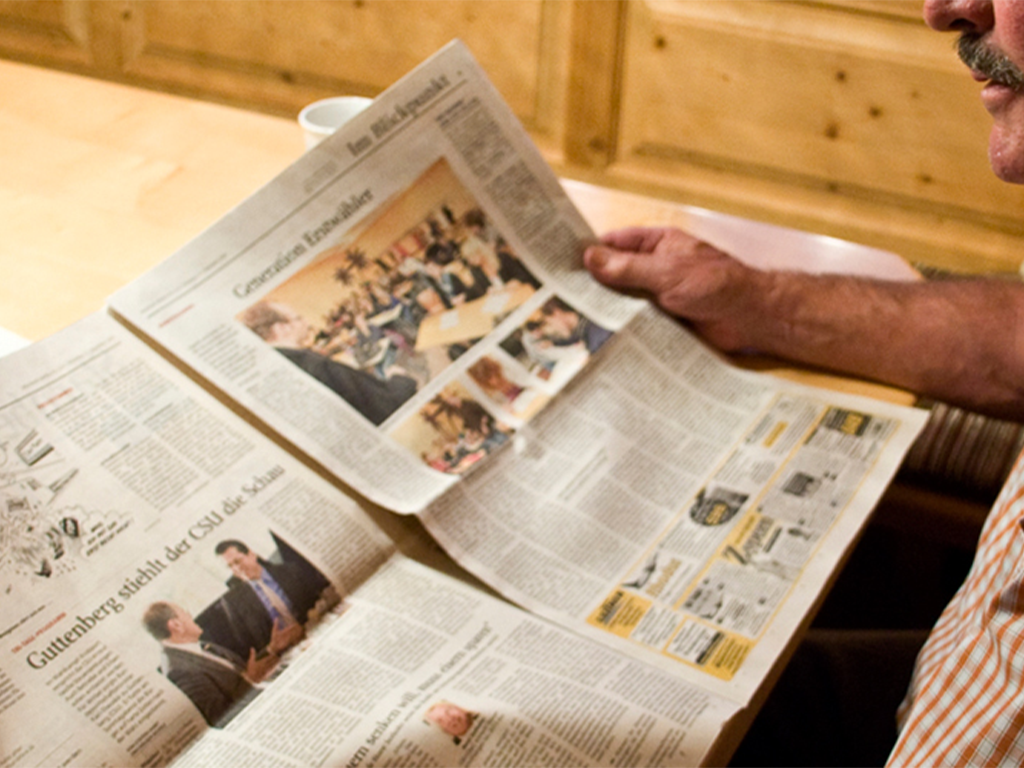
Every day, there is a surge of news reaching us via different news channels. In spite of TV and Internet, the daily paper still is one of the most important main sources of news. But how is a newspaper created? The film shows the production of a paper in the course of one day. Starting with the editorial meeting in the morning, in which the topics and deadlines are determined, the film accompanies a journalist during her research work. You can see how a journalistic interview is conducted and what the photographer must consider when taking a press photo. Back in the editorial office, the editor’s work is illustrated, which includes the page layout and the writing of an online article in today’s time. Impressive pictures from the printing centre depict the process from the digital page to the finished newspaper. Together with the comprehensive accompanying material, the DVD is perfectly suited for use at school
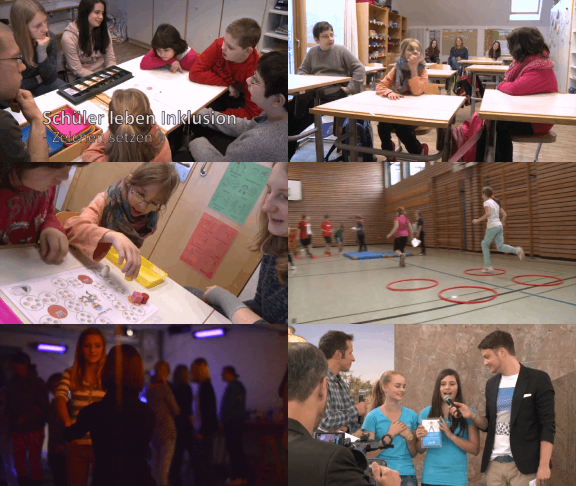
Pupils Practise Inclusion
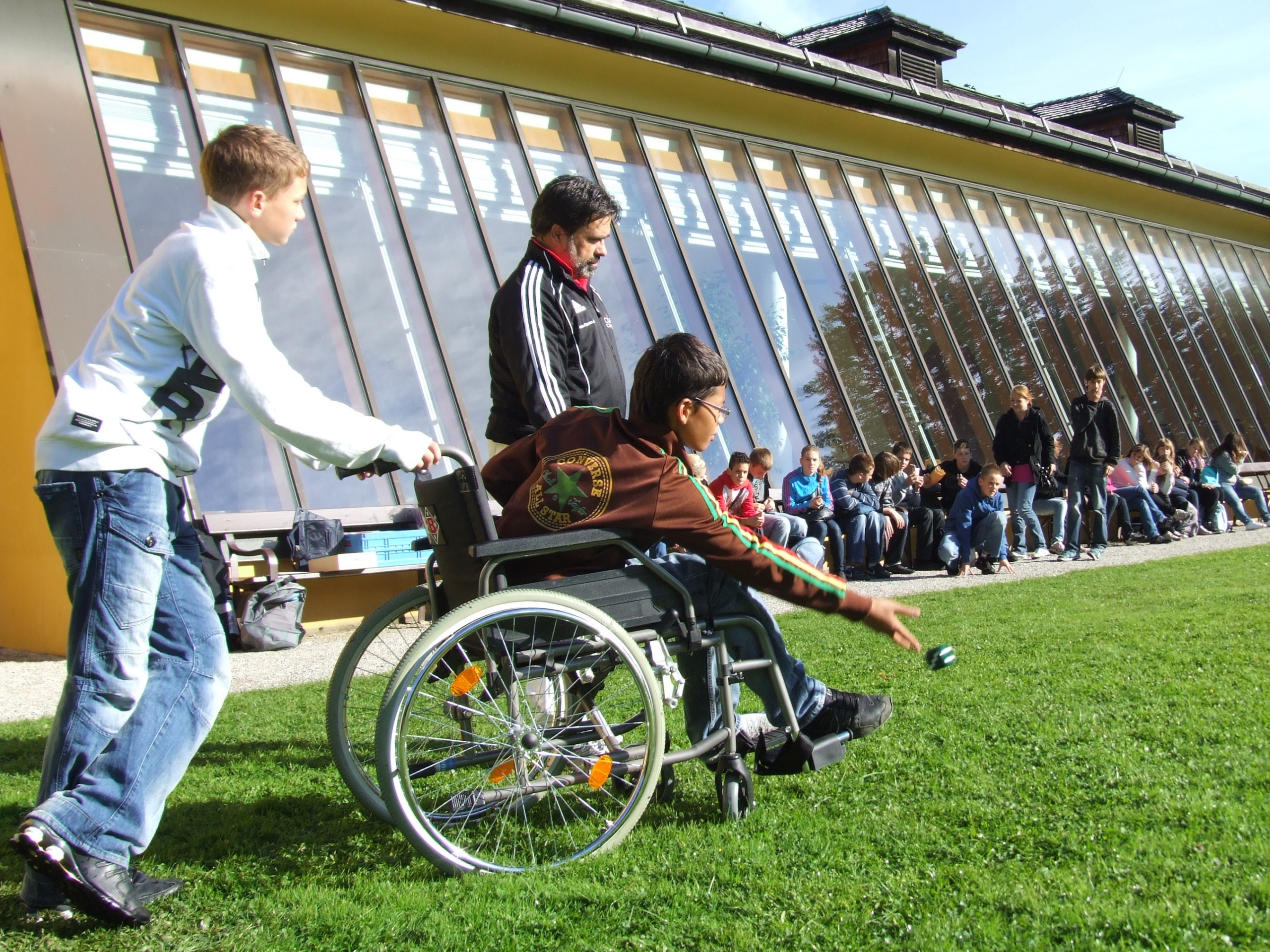
When people come together, no matter under what concomitant circumstances – ultimately, it is about how these people meet and how openly they interact with one another.


Rights and Obligations
Three girls of different ages: Anna is 17, Paula 15 and Lena 13. Before the law, their respective ages have consequences – because children and adolescents have different rights and also obligations.