






 Preschool

4658340 / 5551760
From Stone to Glass
Where Does Our Glass Come From?
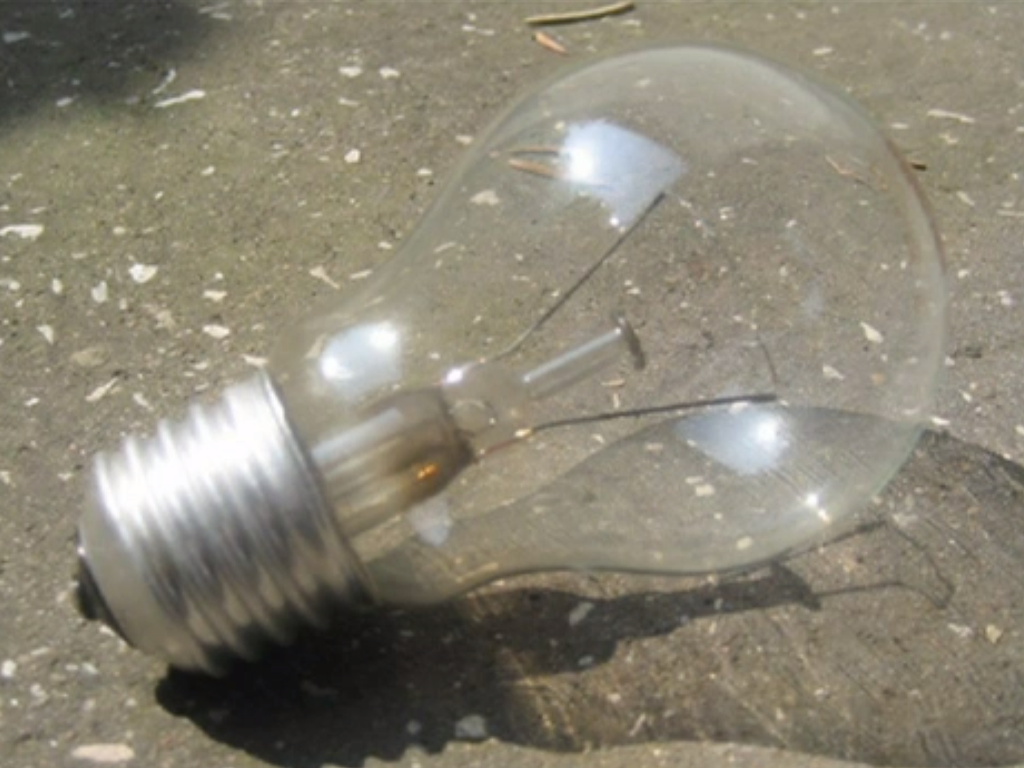
In terms understandable to children, this DVD illustrates how glass, a widely used material, is made. The film shows, step by step, the development from rock to quartz sand, which, mixed with further ingredients, forms an important component in the making of glass. In order to give the children an exact idea of glass production, a glassblower is watched at his job. The accompanying material contains extensive suggestions and recommendations, such as songs, experiments, tips for assembly, games, mandalas, etc., both for a practical application of the topic in the classroom and for reinforcing the knowledge the children have acquired. Special emphasis was laid on an integrated learning experience in kindergarten life for the children to experience the often used material glass with all their senses. Thus, this DVD offers a basis suitable for child-oriented projects in kindergarten and early primary school, which take up and illustrate a topic familiar from the children’s everyday lives.
Play trailer
- <> Languages : DE, EN, TR
- <> Target Groups : ELE, FÖ, GRU, GS
- <> Subject : Preschool
- <> Length : 10:32 min
- View in learning platform
Licenses
Curriculum-centred and oriented towards educational standards
Matching
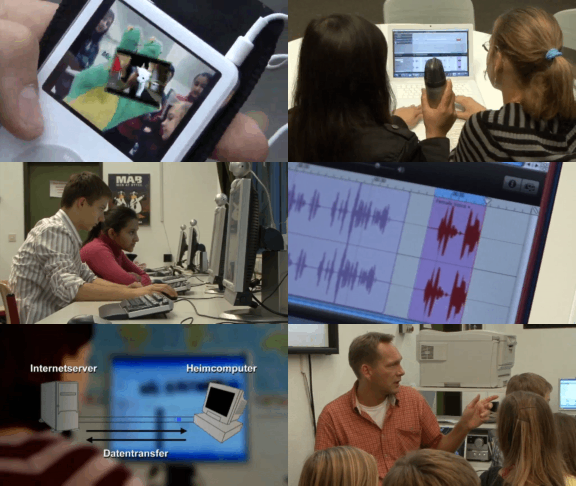
Podcasting
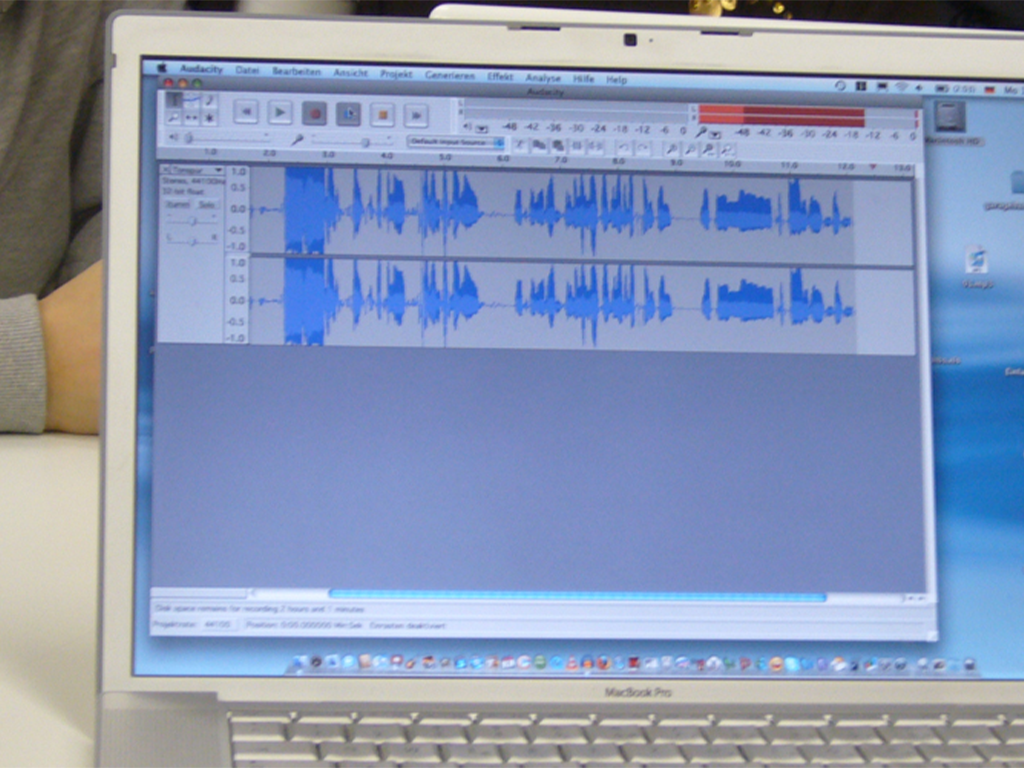
Today, the use of new media has become a matter of course not only in everyday life – schools and teaching, too, benefit from the new technologies and methods, which support active and independent learning. Especially in computer science, ethics and language courses but also in all other subjects, modern media are a valuable pedagogic and didactic asset. This DVD uses the example of podcasts to demonstrate how the possibilities opened up by new media can be applied in the classroom and how the pupils can be taught to handle them in a competent and target-oriented manner. The film is aimed at supporting the use of podcasts at school and encourages making them. This also requires the ability to find information on the Internet and assess it. The film informs on the functionality of podcasts and technical background as well as on the teaching and learning possibilities offered by podcasts – ranging from specific contents to superordinate learning targets such as the advancement of creativity and team spirit. The DVD is a useful support for teachers applying new media and wishing to show their pupils how to handle Running Time: 20:29 ms them in a sensible way.
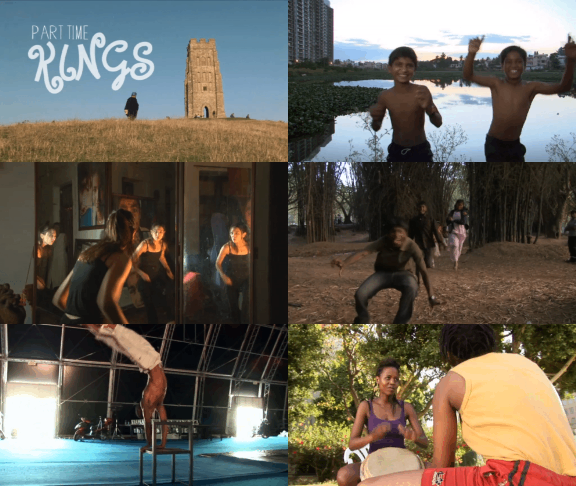
Part Time Kings
Your children are not your children
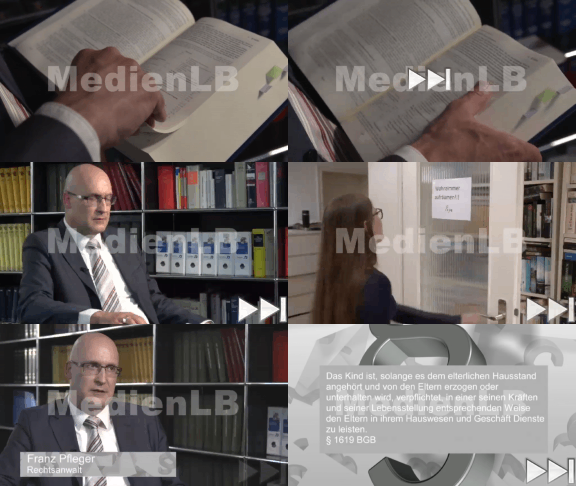
Rights and Obligations
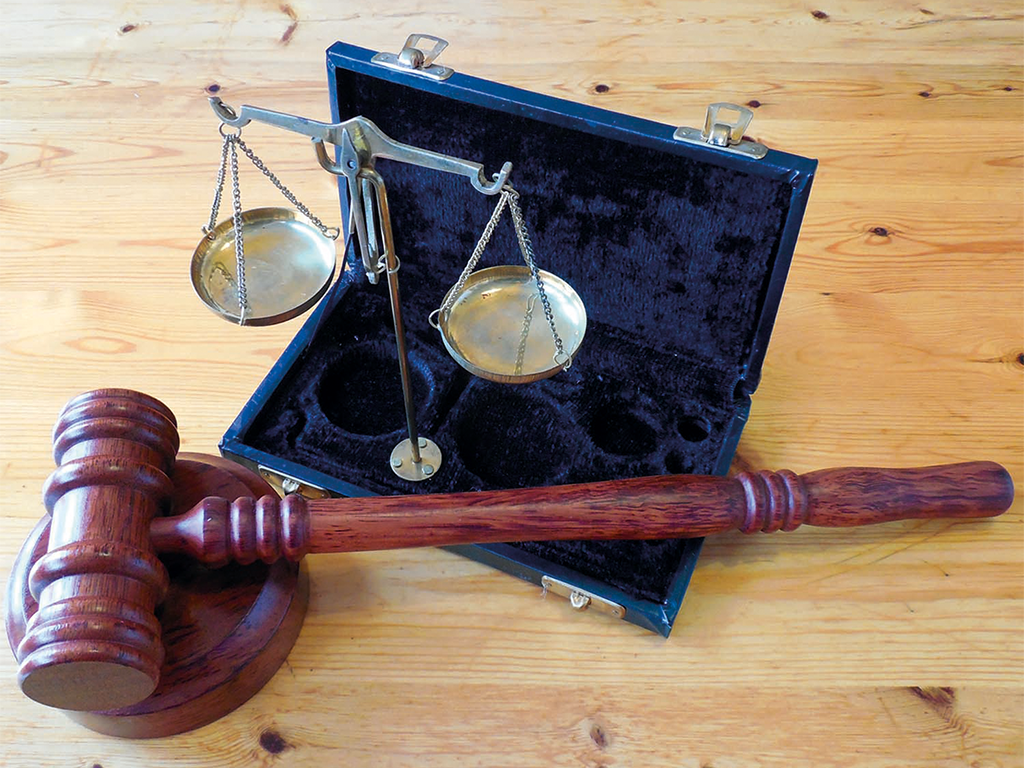
Three girls of different ages: Anna is 17, Paula 15 and Lena 13. Before the law, their respective ages have consequences – because children and adolescents have different rights and also obligations.