







 Chemistry
55502480
Eigenschaften von Stoffen
In 10 interaktiven Modulen und in interaktiven Videos wird Wissen zu den Themen Stoffe und ihre Eigenschaften, Gemische, Gemenge und Lösungen vermittelt und abgefragt.
Das Medium bietet H5P-Aufgaben an, die ohne zusätzliche Software verwendbar sind.
Durch interaktive Aufgabentypen wird das audiovisuelle und interaktive Lernen einfach.
Lernen macht jetzt Spaß!
Included Tasks
- I Chemische Eigenschaften - Interaktive Aufgabe
- II Teilchenmodell - Interaktive Aufgaben
- III Dichte - Lückentext
- IV Verständnis durch Modelle - Interaktives Video
- V Härteskala nach Mohs - Interaktive Aufgabe
- VI Überall Gemische - Interaktives Video
- VII Gemenge - Wortgitter
- VIII Reinstoffe und Gemische - Bildzuordnung
- IX Destillation - Interaktive Aufgaben
- X Löslichkeit - Lückentext
Curriculum-centred and oriented towards educational standards
Matching

Aluminium I
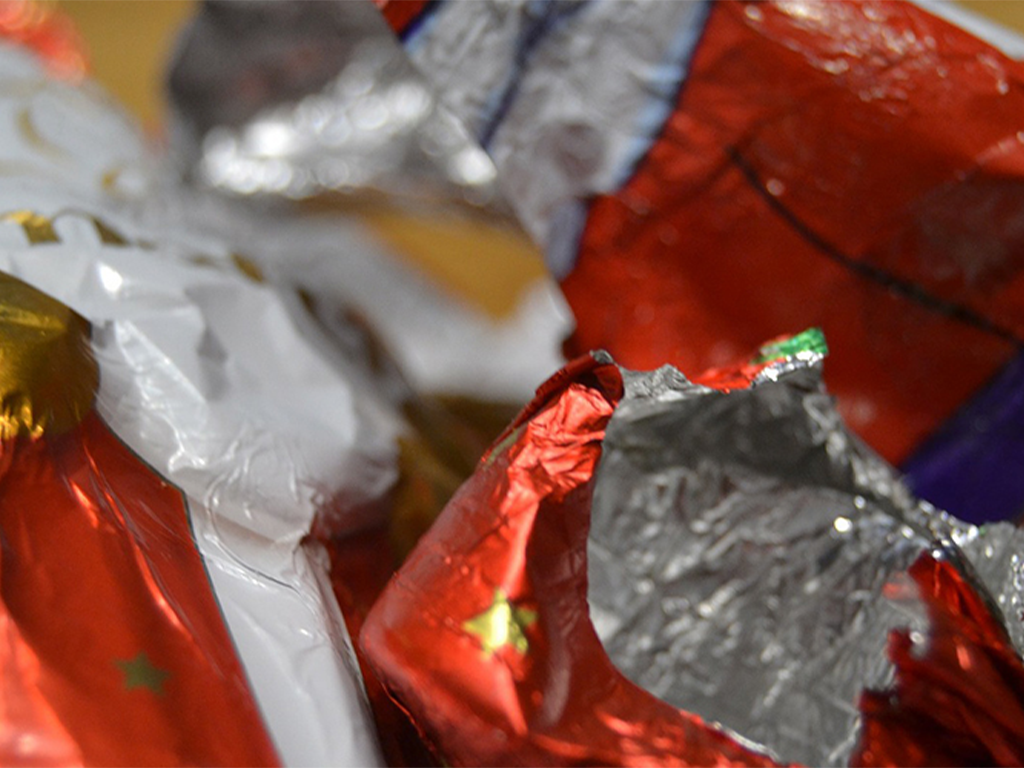
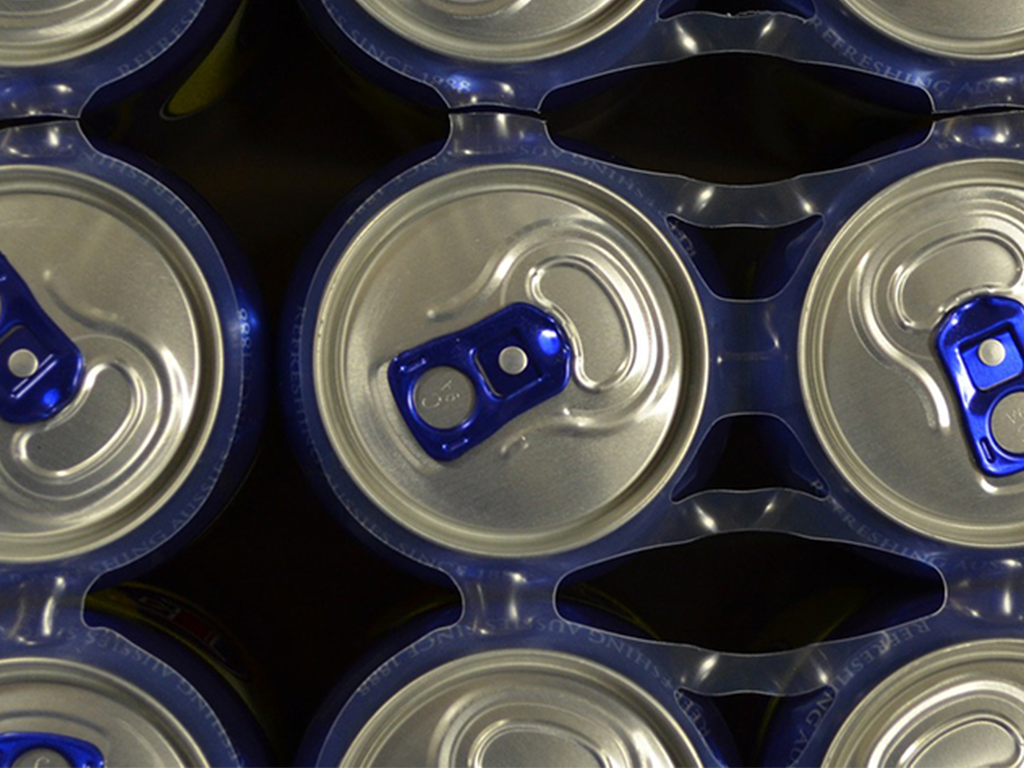
In the modern world, we encounter aluminium at every turn. This is due to the particular properties of the metal. Increasingly, aluminium is about to edge iron and steel out of engineering, as aluminium allows energy-saving lightweight construction of aircraft and vehicles of all kind. Aluminium is weather-resistant, does not rust and is therefore well suited as building material for house facades, window frames or simply for all parts that are exposed to wind and weather. At the same time, aluminium has a noble-looking surface recommending it as material for interior design.
Aluminium II
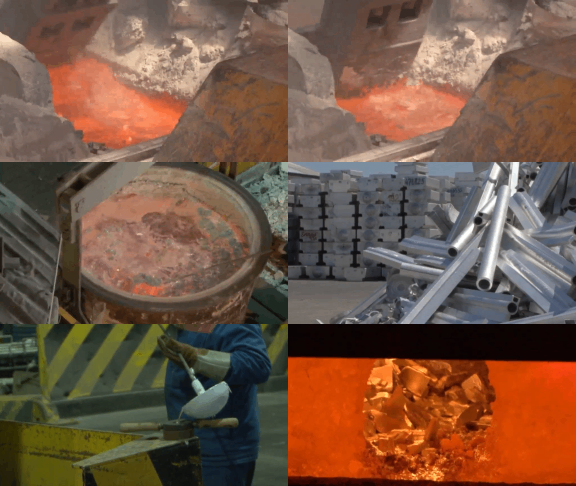
The metal aluminium is growing in importance because of its specific properties and manifold application possibilities. This DVD deals with the industrial production of aluminium as a raw material, its processing and the manufacturing of alloys for the finished product. Starting with the raw material aluminium oxide the functioning of an electrolytic cell is demonstrated and explained. Alumina, white and powdery, is melted with great expenditure of energy, and by means of electrolysis converted into aluminium with a degree of purity of 99.9%. As aluminium oxide would not melt before a temperature of over 2,000°C is reached, the mineral cryolite is used as a solvent. The various alloys change the properties of aluminium and are produced according to precise formulations. The alloy is cast into blocks and bars that serve as primary material for processing plants. The responsible handling of resources underscores the importance of recycling. Aluminium is resilient and versatile.
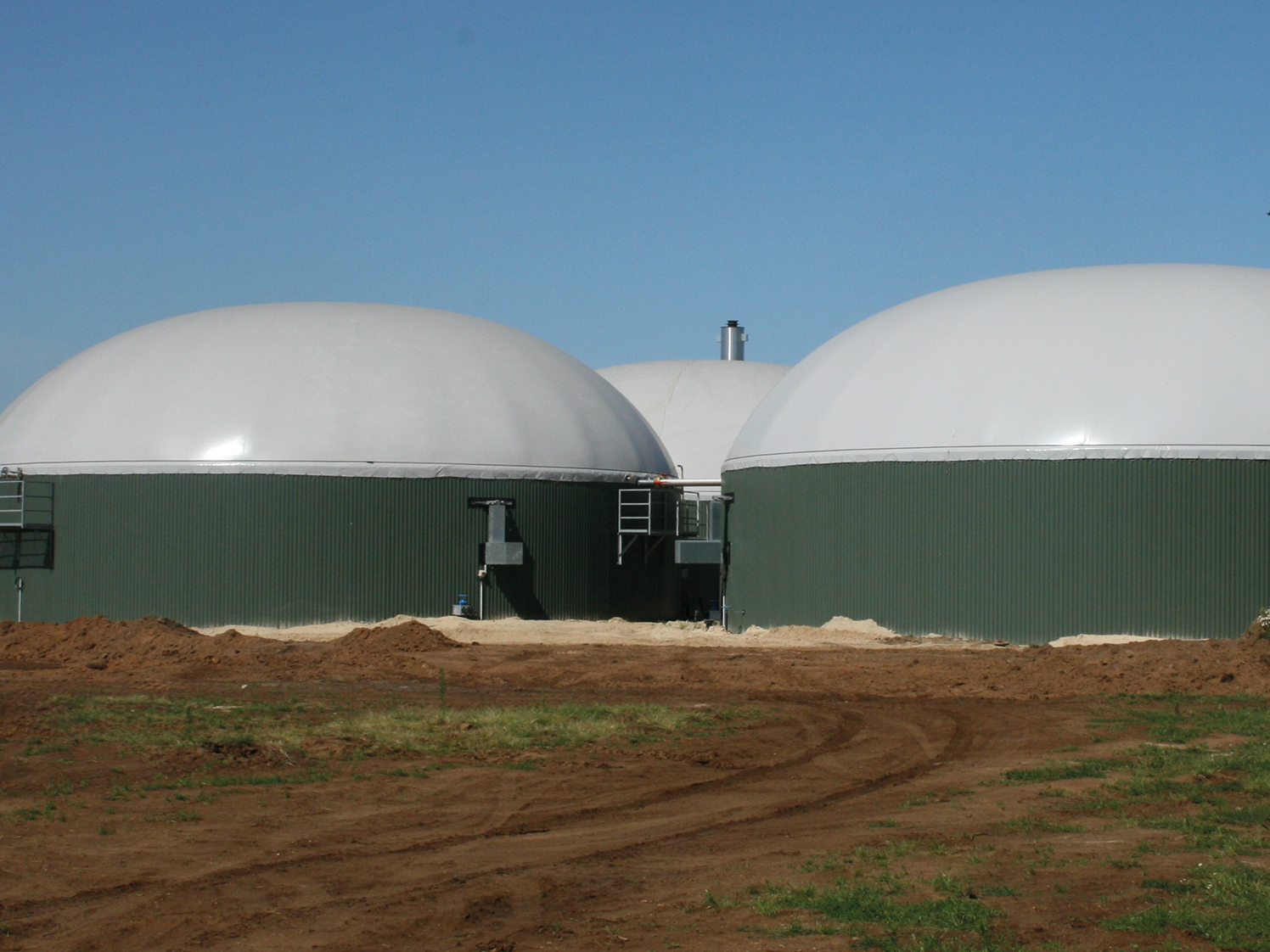
Biogas
In our modern lives, we are dependent on a regular supply of energy.