







 Chemistry
4679015 / 5565776
Wie Chemiker arbeiten
Experimente und Industrie
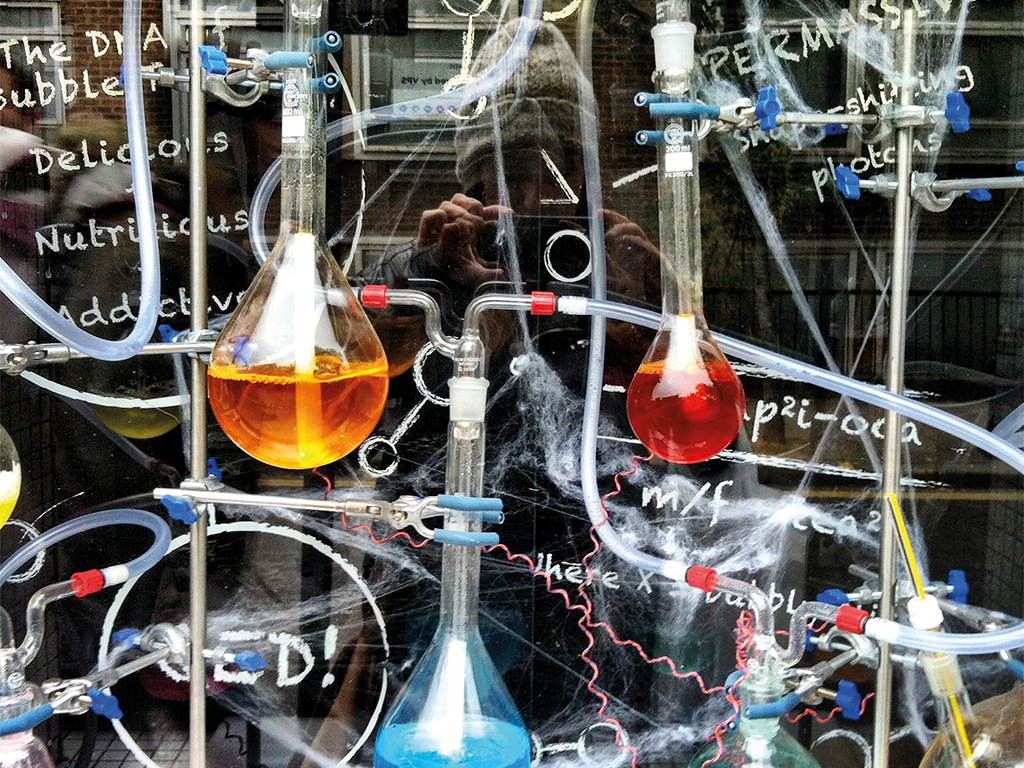
Chemie begegnet uns permanent im Alltag, beim Kochen, Putzen oder Backen.
Der Film zeigt in aufwändigen Animationen den Aufbau der Elemente auf der Ebene der Atome und Moleküle und erklärt anschaulich, wie chemische Reaktionen zustande kommen.
Die wesentlichen Verfahren der Chemie, die qualitativen und quantitativen Nachweise sowie die Synthese werden in anschaulichen Experimenten vorgestellt.
Ausgehend von einer Erklärung des Katalysators wird der Bogen zur Industrie und der Darstellung des Haber-Bosch-Verfahrens zur Ammoniaksynthese gespannt.
Ganz neu ist der Einsatz von interaktiven Aufgaben und Videos, die den Lernerfolg und – spaß deutlich erhöhen.
Dank der verwendeten H5P-Software sind die interaktiven Aufgaben ohne zusätzliche Software verwendbar.
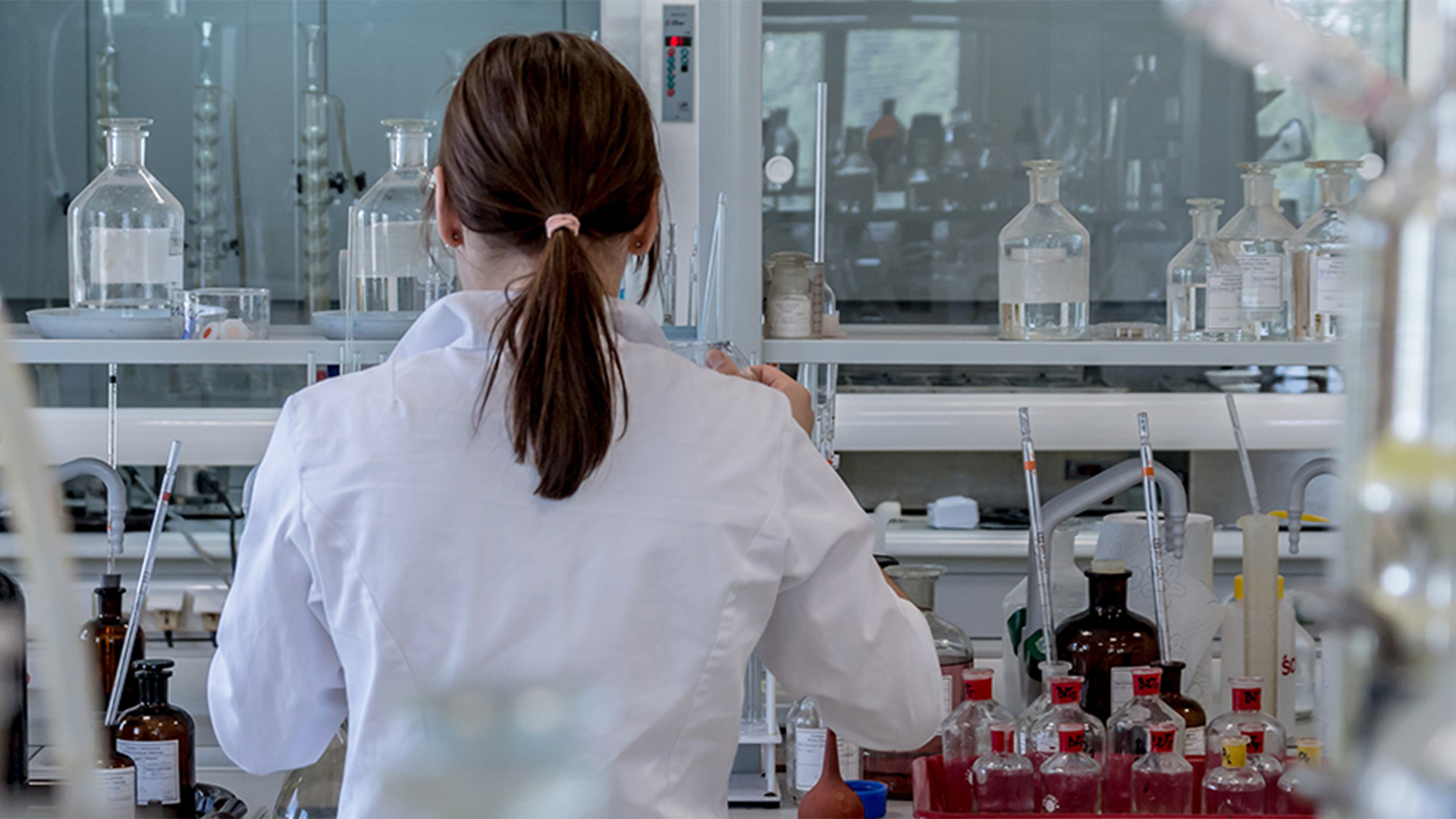
Curriculum-centred and oriented towards educational standards
Matching
Inclusion
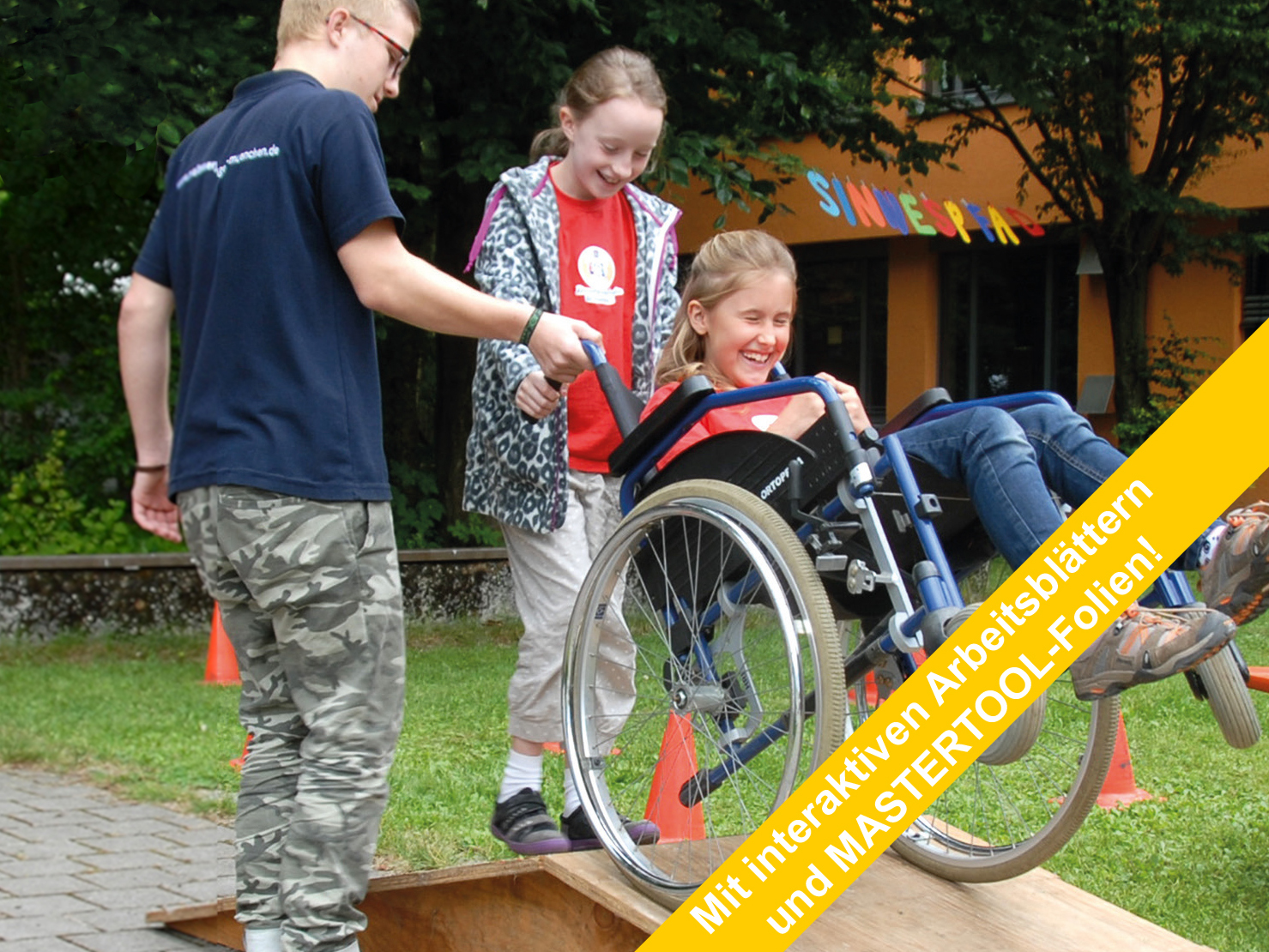
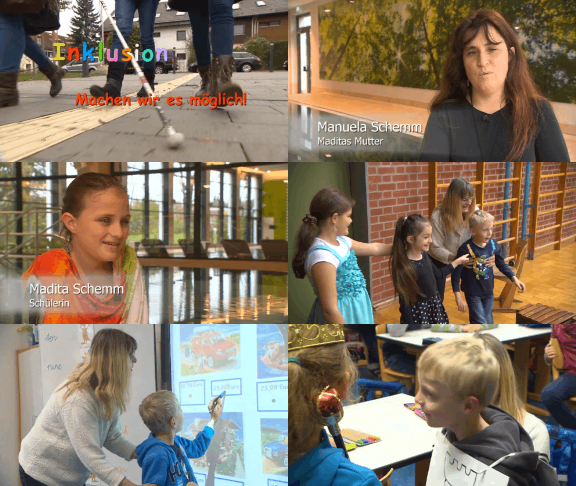
Madita is eleven and blind. She does not want to go to a special school but to a regular grammar school. She says she feels "normal" there. Jonathan is eight and has a walking disability. He likes going to the school where he lives. Here, his best friend sits next to him. Max Dimpflmeier, a teacher who is severely deaf, explains that school life is not easy. Quote Max Dimpflmeier: "You don't want to attract attention, you want to avoid saying that it is necessary for you that 70 people adjust to your situation." People on their way to inclusion.
Peer Mediation
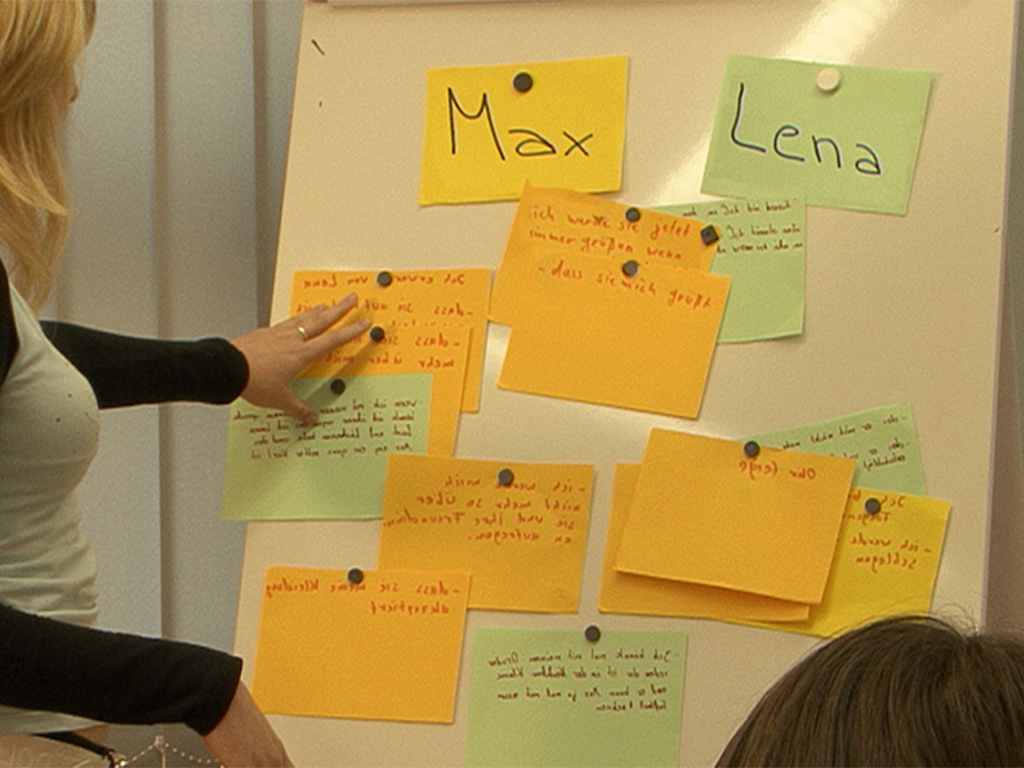
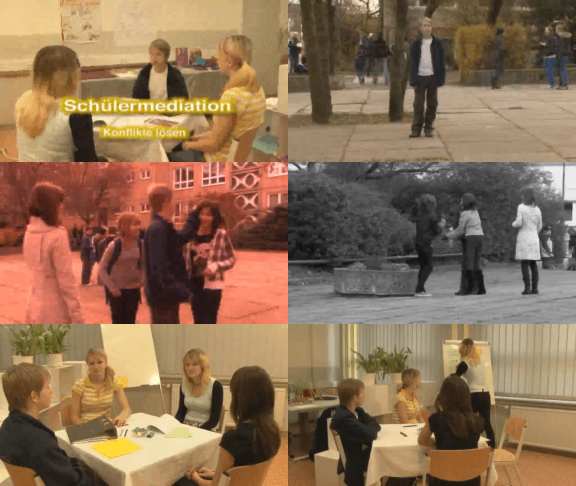
Lena and Max attend the 7th form. Max is new in class. During a break, Max notices that Lena and her friend are laughing at him again. Max loses his temper! He slaps Lena in the face. That hurts and Lena runs back into the classroom with a red cheek. The growing conflict between the two has escalated. Just like Lena and Max, every day pupils all over Germany have rows with each other. At the Heinrich Hertz Gymnasium in Thuringia, pupils have been trained as mediators for years. At set hours, they are in a room made available by the school specifically for mediation purposes. The film describes the growing conflict between Max and Lena and shows a mediation using their example. In doing so, the terms “conflict” and “peer mediation” are explained in a non-technical way. The aims of peer mediation and its progress in five steps as well as the mediators’ tasks are illustrated. The art of asking questions and “mirroring”, which the mediators must know, is described and explained. Together with the comprehensive accompanying material, the DVD is a suitable medium to introduce peer mediation at your school, too.

Computer Games
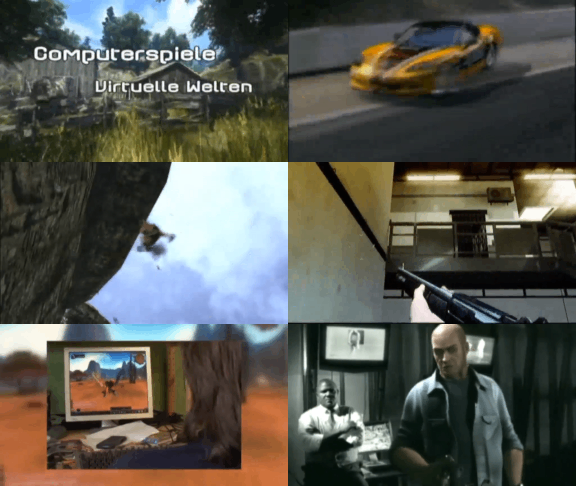
This film covers the topic of computer games in a variety of ways and from many different angles. Apart from the fascina- tion of computer games for users, the historical development as well as the production of computer games are described. The established genres are introduced, the guidelines of the German BPjM are explained. In light of recent public discussions, a neutral overview of the pros and cons of playing computer games is given, and different kinds of player behaviour are outlined. In this film, the pupils will recognise many aspects of their favourite pastime that encourage an independent, constructive use of this medium and reinforce their media competency. The film and teaching material are very closely related to the real-life situation.