







 History

4658338 / 5551758
American Indians
Cultural Diversity in North America
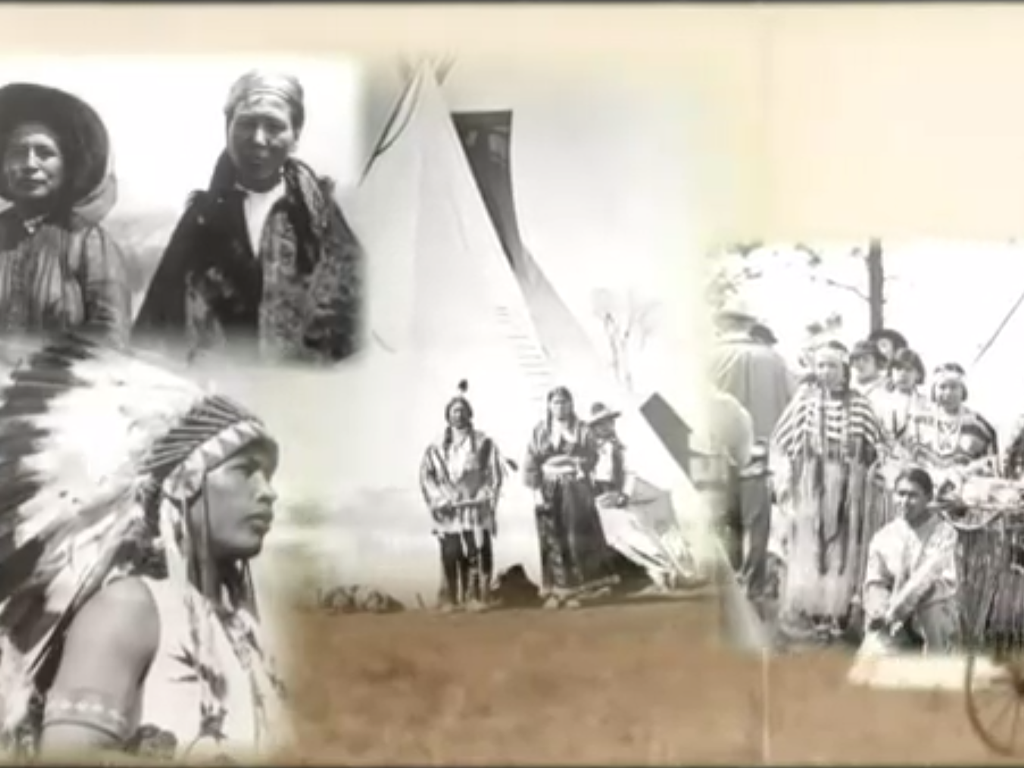
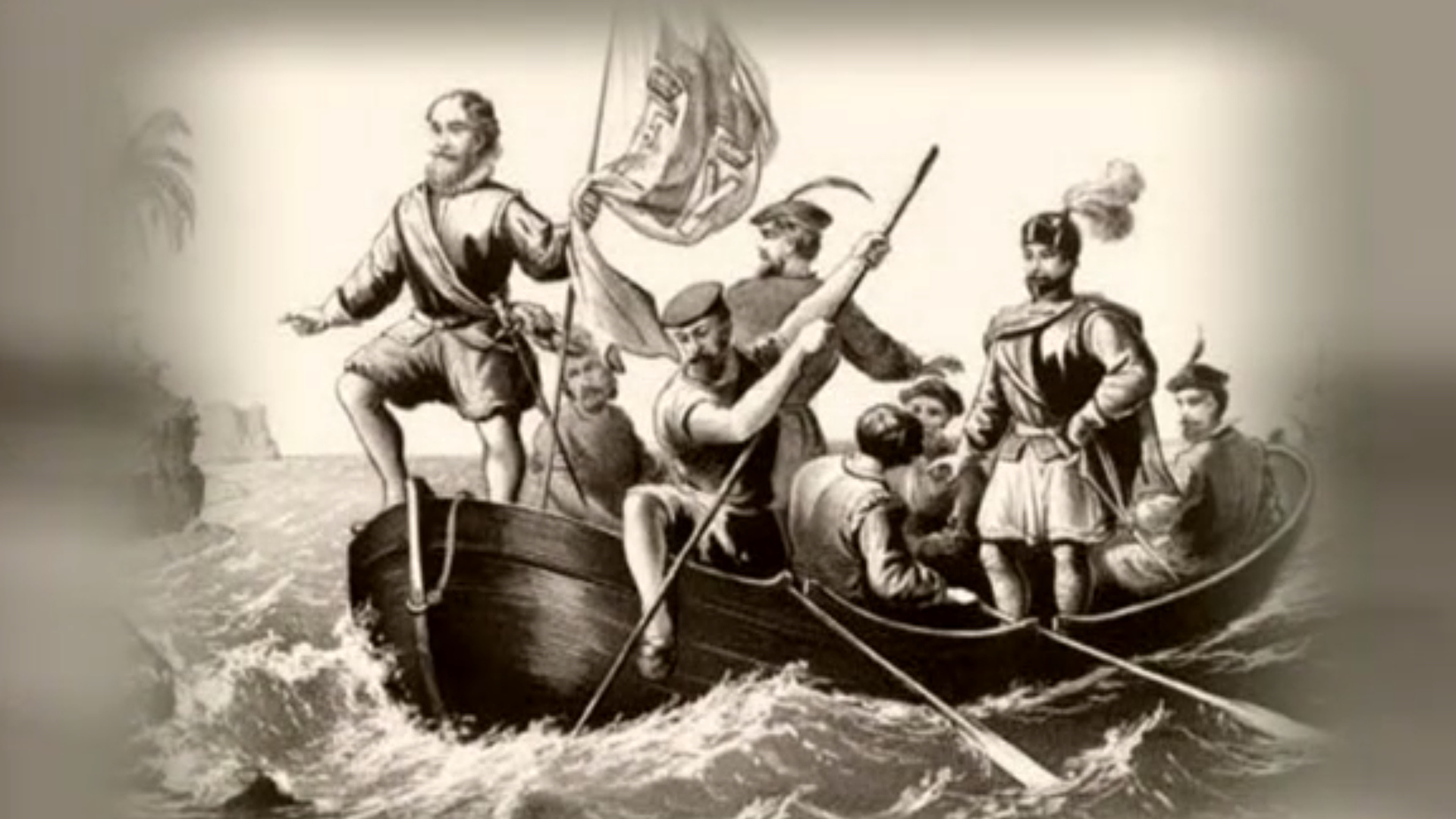
Who were the first people in America? The native inhabitants of this continent are called Indians, and they are just as diverse as the peoples in Europe. North America is divided into Nine Native American Culture Regions and the film goes into detail about the Indians of the north-eastern and south-eastern Woodlands, the Indians of the Southwest and the Plains Indians. Adapted to the landscape and climate, different forms of culture evolved – from simple Stone Age humans and nomadic life styles to advanced cultures with cities and sophisticated societies. Thus, the Indians of the north-eastern woodlands already lived in a democratic society, which became the basis for the American Constitution. European colonisation reduced the number of Native Americans by diseases, wars and displacement. The film concludes with an outlook on Indian life in the United States today.
Play trailer
- <> Languages : DE, EN, TR
- <> Target Groups : Sek I
- <> Subject : History
- <> Length : 33:04 min
- View in learning platform
Licenses
Curriculum-centred and oriented towards educational standards
Matching


Blogging
The weblog or blog, for short, as a medium is not much older than this century. Blogs came into being in the World Wide Web as ’messages from below’, as web pages from web creators who wanted to share their view of the world with the world. They are short notes, long texts, pictures, videos, which are posted loosely and at random intervals to the world for an undefined public.
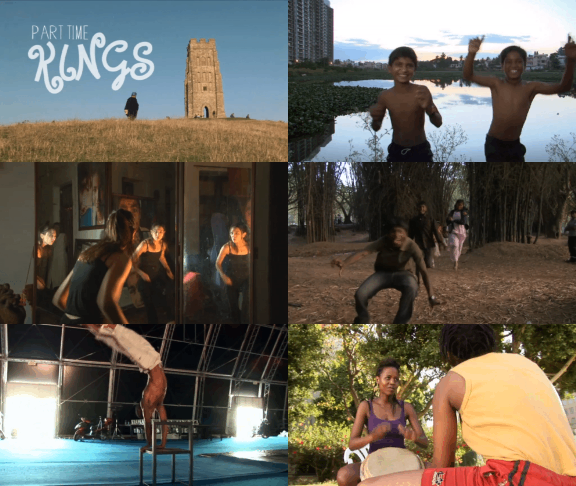
Part Time Kings
Your children are not your children
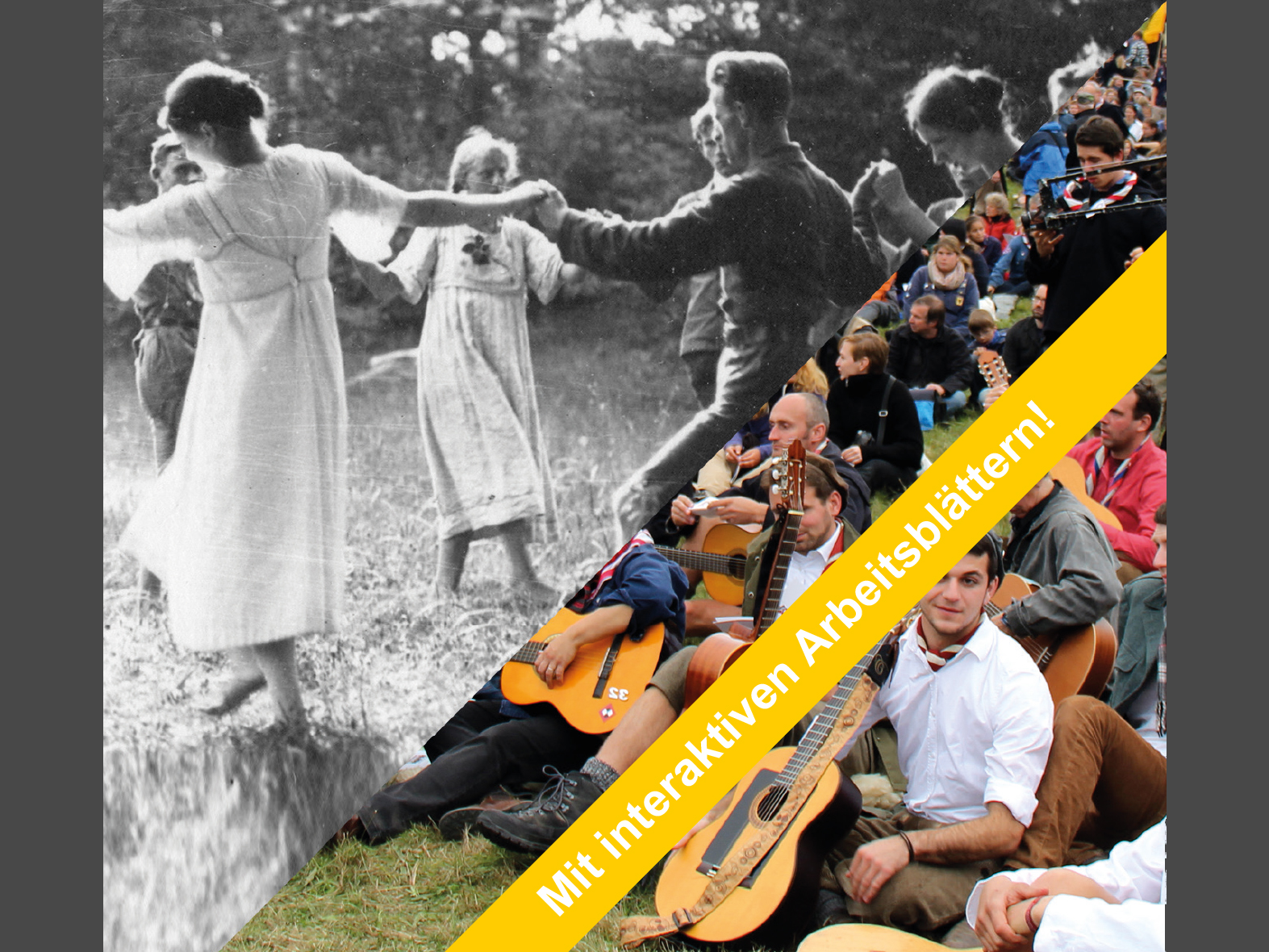
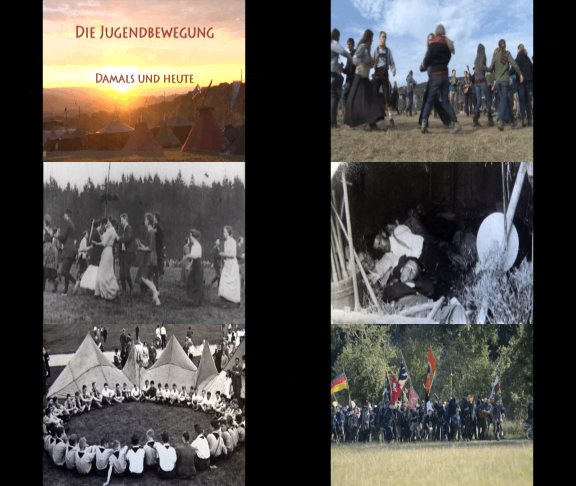
Youth Movement
Dancing until your feet hurt: Here, at the meeting on the Hoher Meissner near Kassel, 3,500 participants from Boy Scout associations, youth and Wandervogel groups from all over the German-speaking region have gathered. They want to celebrate, simply get to know each other and commemorate a historic anniversary.