







 Primary School

4656529 / 5551293
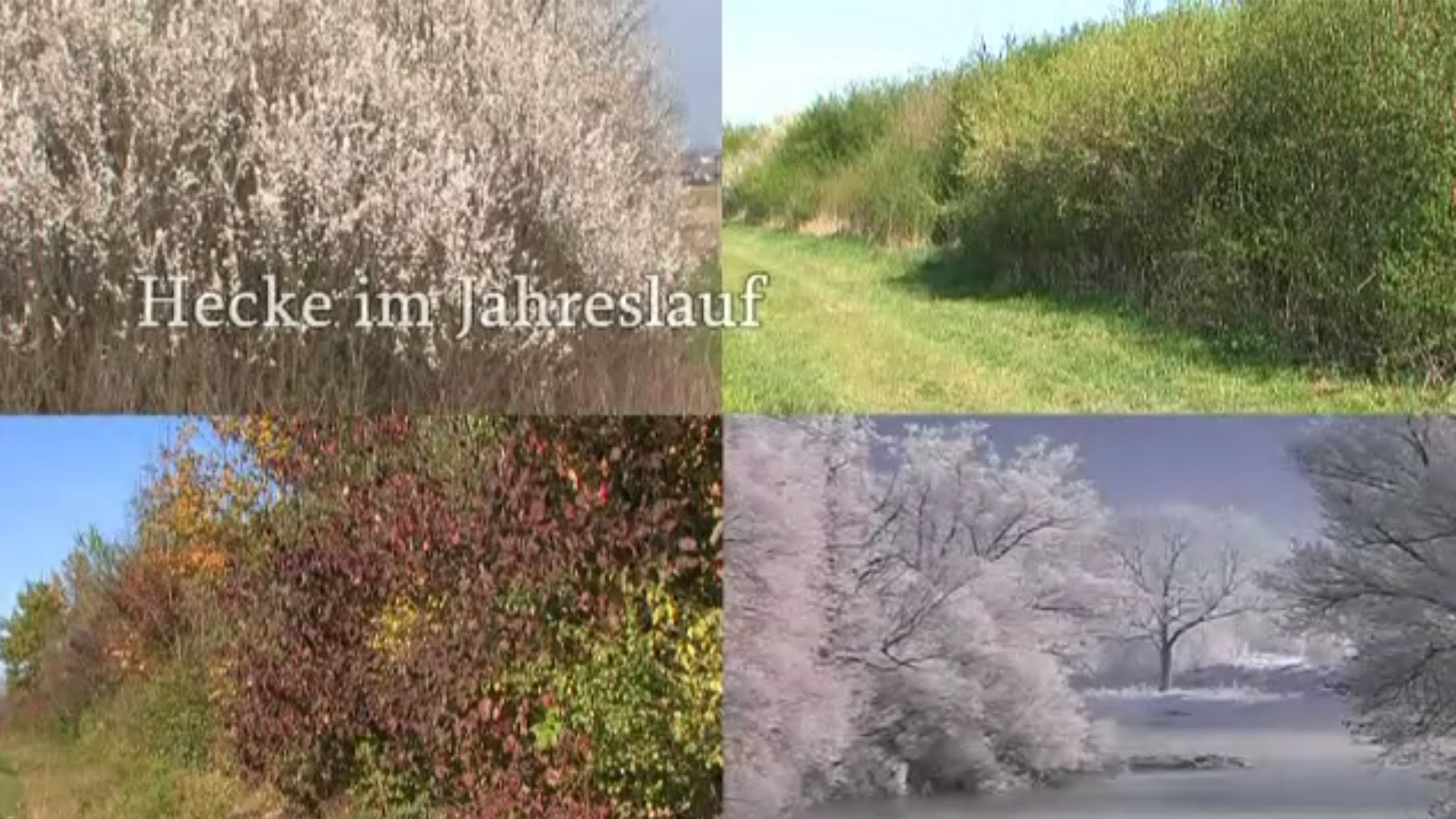
The Hedge in the Course of a Year
Indigenous Animals and plant
This DVD offers clearly structured information, in particular covering the following topics: Firstly, the diversity and type as well as the different tasks of a hedge are described. Vivid pictures illustrate the difference between low hedges, hedges of middle height and high hedges. The structure of the hedge is explained in detail. The DVD shows the hedge in the course of a year with the accompanying changes in flora and fauna. Here, an emphasis is put on introducing the most common shrubs, trees, flowers and animal species associated with the biotope of a hedge.In addition, the pupils learn to distinguish between poisonous and edible fruit from indigenous shrubs, illustrated by the examples of elder bush, blackthorn and the spindle tree. Blooms, fruit, spiders, insects and other hedge-dwellers are presented in close-ups of superior quality. The learning target “from the bloom to the fruit” is illustrated with the help of an animation. The film shows the interactions between plants and animals and highlights the correlations among the dwellers of the hedge habitat.
Play trailer
- <> Languages : DE, EN, TR
- <> Target Groups : FÖ, GRU, Sek I
- <> Subject : Primary School
- <> Length : 23:41 min
- View in learning platform
Licenses
Curriculum-centred and oriented towards educational standards
Matching


Internet Addiction
The film consists of two parts. The first part is the 15-minute short film “In the Net”. It describes the problem of excessive Internet use in a humorous way, in particular the risk of losing touch with reality when chatting. The second part illustrates with three real persons how Internet addiction can develop and the problems encountered by those who are afflicted. The authentic statements are commented by an experienced therapist. For many pupils, the issues addressed here are related to their everyday lives. What is a “sensible” use of the Internet, where does pathological addiction start? In contrast to addiction to alcohol, nicotine or drugs, the public seems to be largely ignorant of the problem of this addiction, which is not related to any substance abuse. The film provides material for discussion in the classroom (crossdisciplinary) and can be used as a basis for the formulation of prevention strategies.

Youth Movement
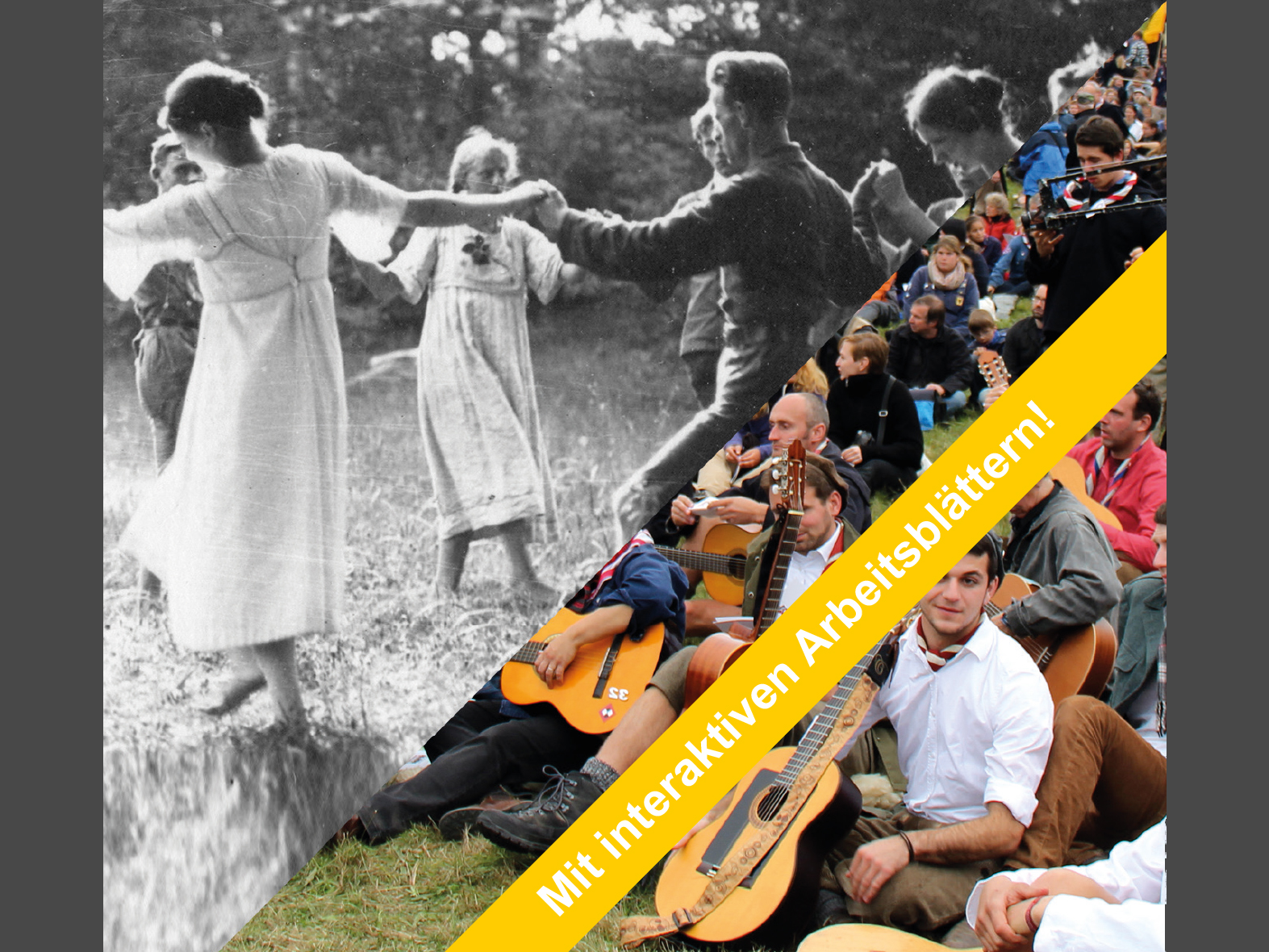
Dancing until your feet hurt: Here, at the meeting on the Hoher Meissner near Kassel, 3,500 participants from Boy Scout associations, youth and Wandervogel groups from all over the German-speaking region have gathered. They want to celebrate, simply get to know each other and commemorate a historic anniversary.


Stalking
n Germany, 12 % of all federal citizens are pursued by a stalker once in their lives. And not only celebrities are among their victims! Everyone may be confronted with such a situation.