







 Media Education, Primary School

4678991 / 5565751
The Making of a Children’s Book
From Idea to Print
Every year thousands of new books are published. You can get a notion of that vast number at the large book fairs in Frankfurt or Leipzig.
The companies producing the books that are presented here are called publishing houses.
Some of the publishing houses also present books here that have been made especially for children who are learning to read.
For instance this book about “Magical Animal Stories”.
But how exactly are the books made which are presented here? What does a publishing house do? What people and what ideas are responsible for the publication of a book? What has to happen for a book to be printed and for us to be able to buy it in a bookstore and read it?
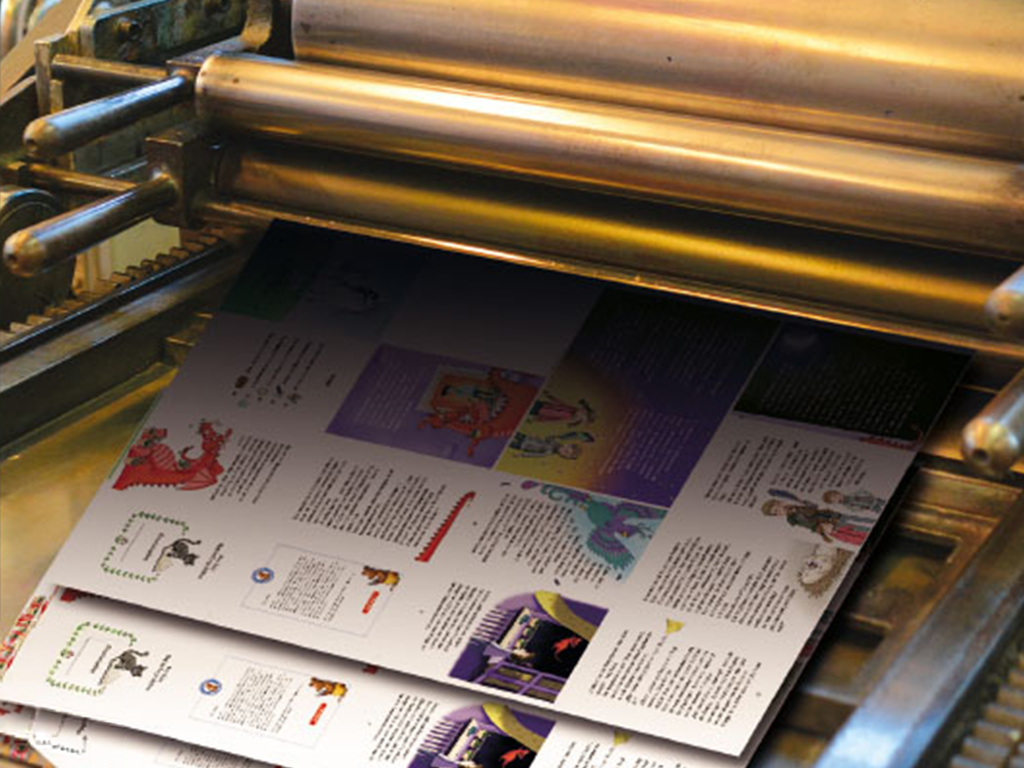
Let’s turn back time a little and watch how, for instance, this book with the magical animal stories was produced.
- <> Languages : DE, EN
- <> Target Groups : GRU
- <> Subject : Media Education, Primary School
- <> Length : 25:11 min
- View in learning platform
Licenses
Curriculum-centred and oriented towards educational standards
Matching
Part Time Kings
Your children are not your children
Product Piracy
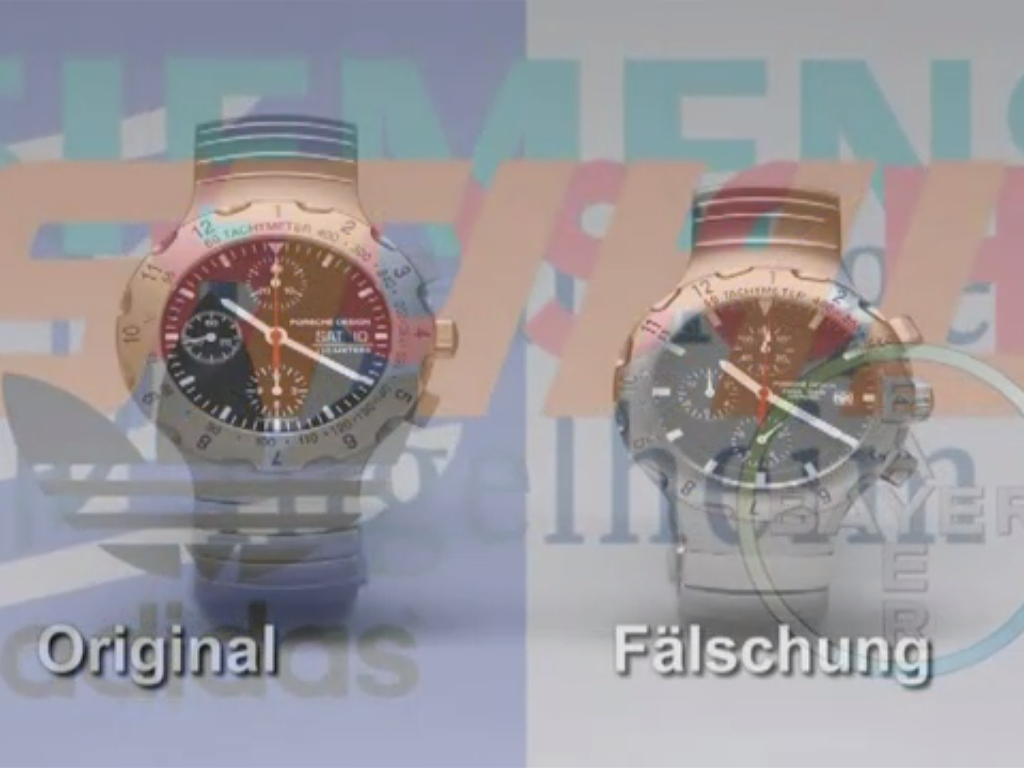
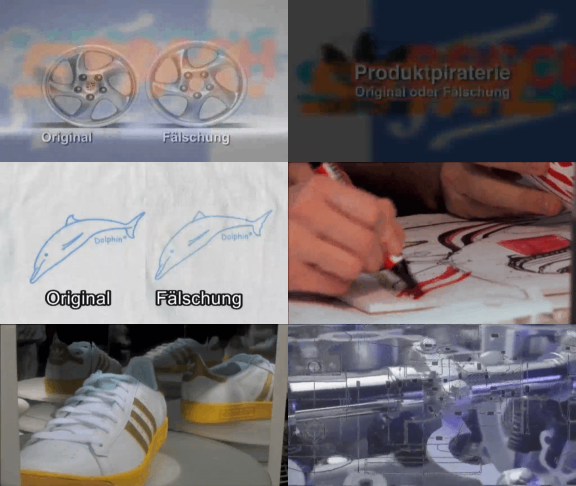
Counterfeiting takes place in almost all economic sectors – textiles, watches, car parts, machine parts, tools, accessories, software and medicines. Some counterfeits are easy to recognise, others are so well-executed that even experts have difficulty distinguishing between original and imitation. This DVD covers the development of a product from idea to manufacture. Once a product has become a trademark, product pirates appear on the scene.
Air Traffic
Being able to fly has been a dream of humanity from time immemorial. But it does not even date back a century that people actually started being able to travel through the air. Since the 1960s, the number of flight passengers has been constantly increasing. Thus, the airspace is no longer dominated by birds but by man-made flying objects.