







 Geography
4658316 / 5551736
Venice
Queen of the Seas in 1968 and 2008
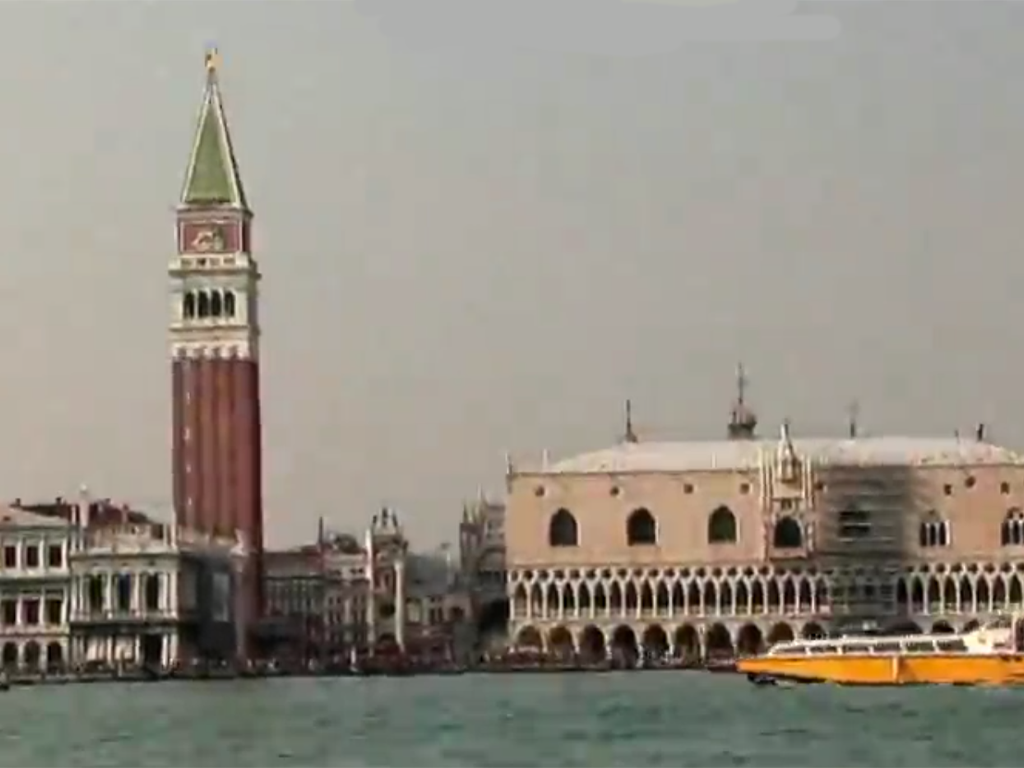
Showered with superlatives, Venice is doubtlessly an out- standing city, welcoming up to 15 million tourists annually. But despite the powerful magic it radiates, the city is confronted with seemingly overwhelming problems. Hence, detractors keep talking about a dying city. Is Venice then really the At- lantis of our time? The film published here first of all provides a survey of the most important geographic data of the lagoon city and looks into the question why more than one thousand years ago people settled in this inhospitable environment. The immense wealth of the former maritime republic can still be imagined when looking at the sumptuous architecture of many of its buildings. The DVD examines the various causes responsible for the rise of Venice to the dominating merchant power of the whole Mediterranean region during the Middle Ages. And why did the city lose its importance afterwards? As a special highlight of this DVD, we have included a film on Venice dating back to 1968. The two films are excellently suited for comparison, on the one hand with respect to the city‘s historic development, on the other hand in view of its respective treatment on film.
Play trailer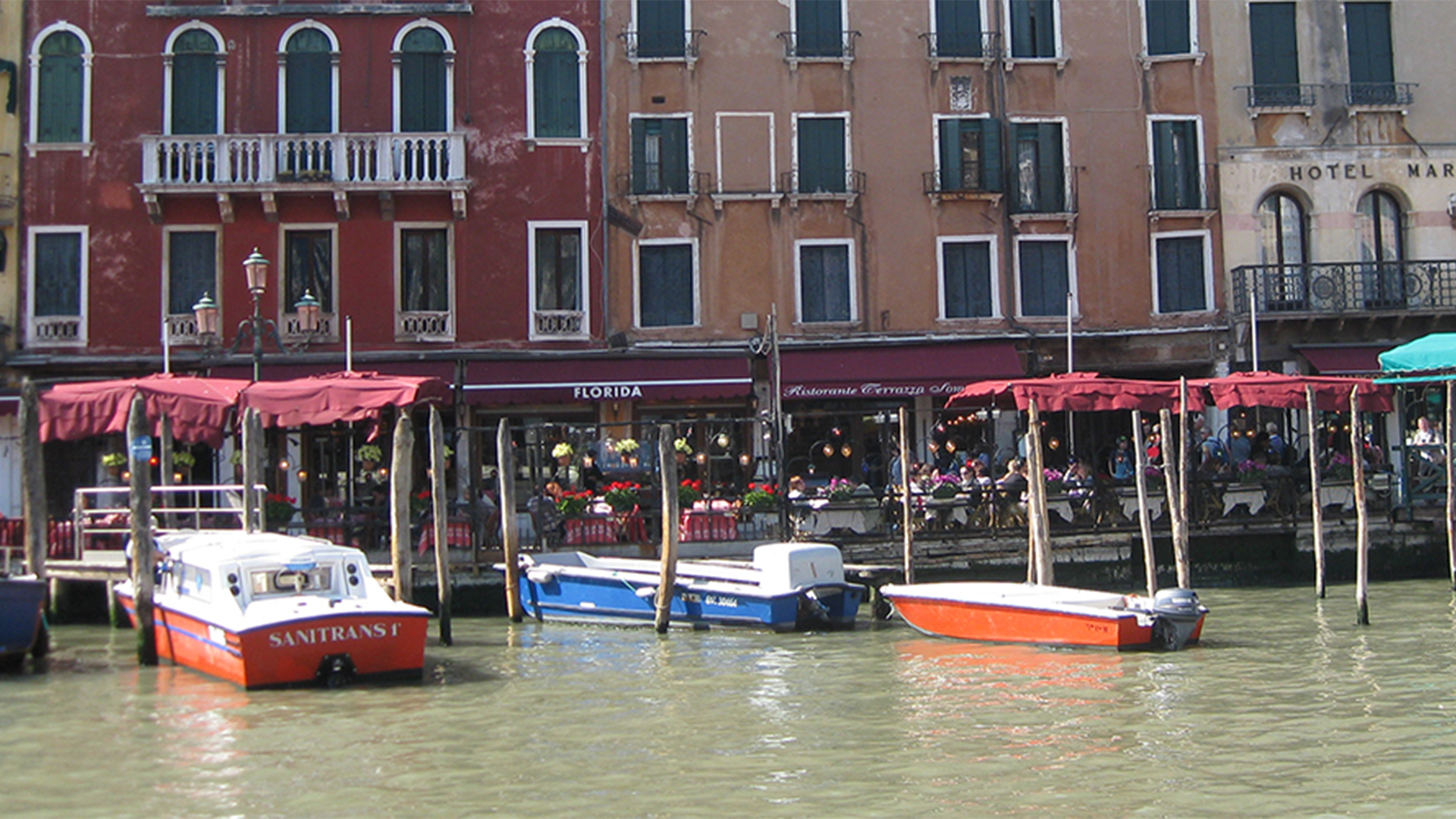
Curriculum-centred and oriented towards educational standards
Matching
Podcasting
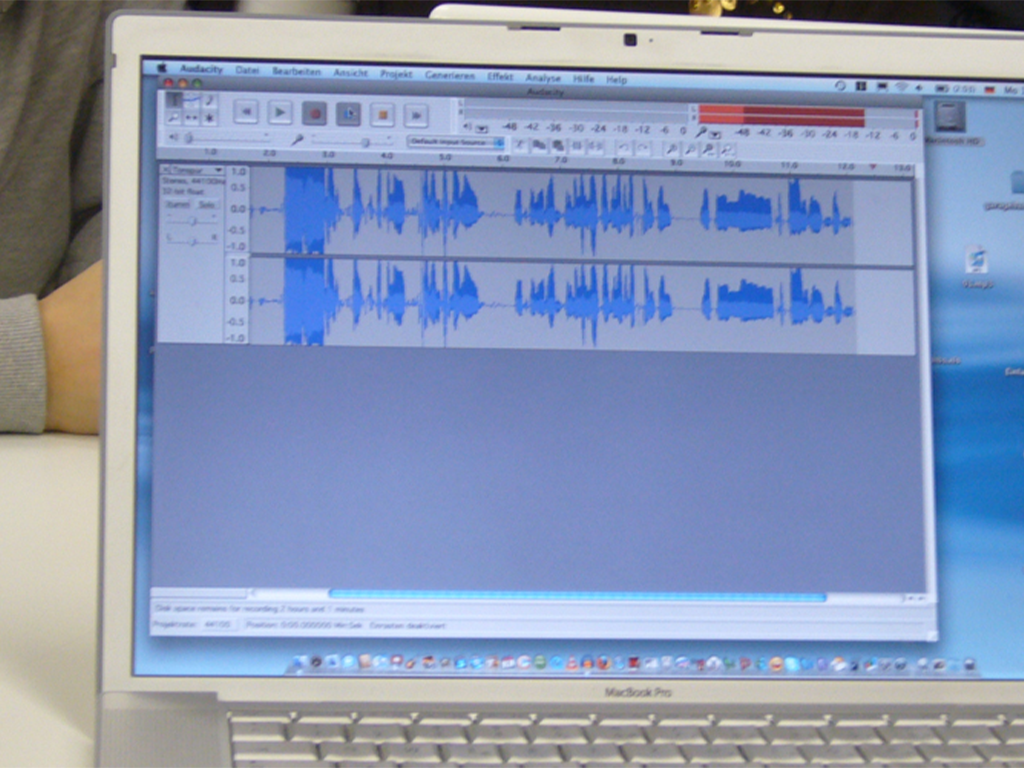
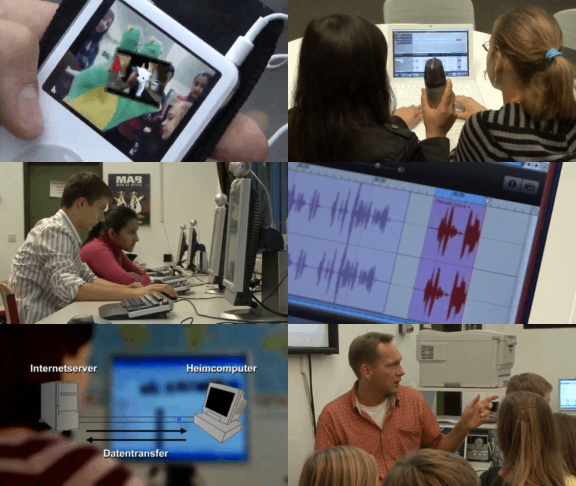
Today, the use of new media has become a matter of course not only in everyday life – schools and teaching, too, benefit from the new technologies and methods, which support active and independent learning. Especially in computer science, ethics and language courses but also in all other subjects, modern media are a valuable pedagogic and didactic asset. This DVD uses the example of podcasts to demonstrate how the possibilities opened up by new media can be applied in the classroom and how the pupils can be taught to handle them in a competent and target-oriented manner. The film is aimed at supporting the use of podcasts at school and encourages making them. This also requires the ability to find information on the Internet and assess it. The film informs on the functionality of podcasts and technical background as well as on the teaching and learning possibilities offered by podcasts – ranging from specific contents to superordinate learning targets such as the advancement of creativity and team spirit. The DVD is a useful support for teachers applying new media and wishing to show their pupils how to handle Running Time: 20:29 ms them in a sensible way.
Product Piracy
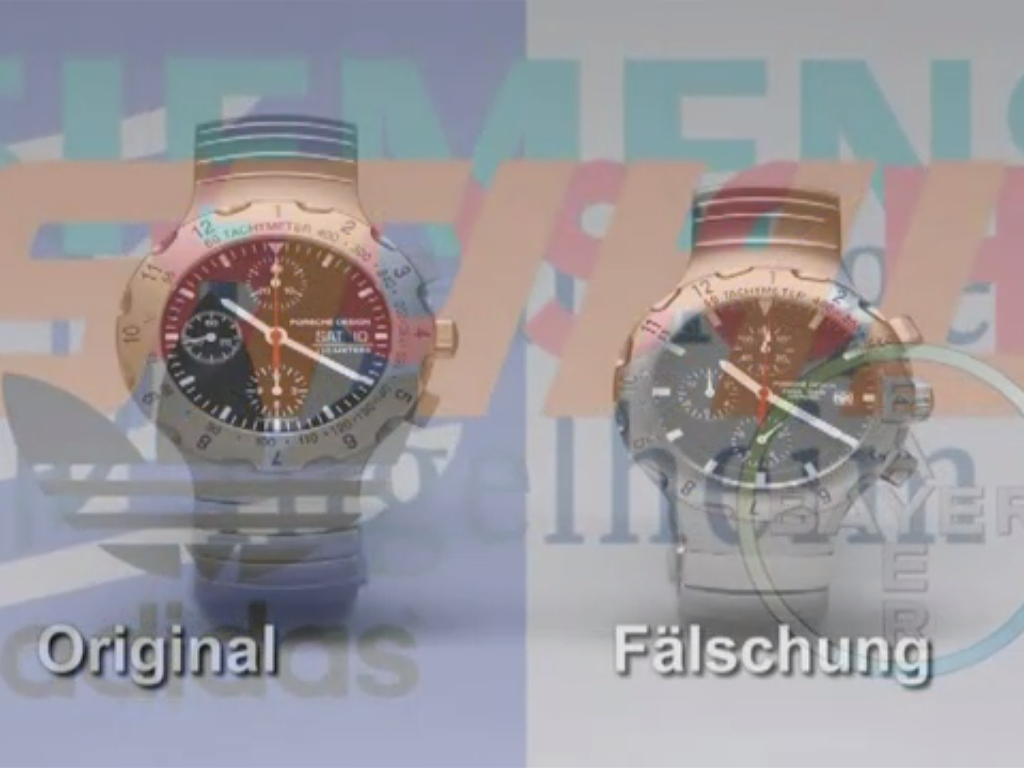
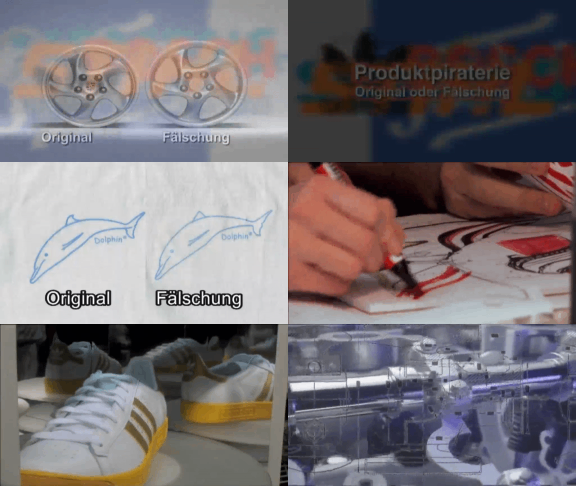
Counterfeiting takes place in almost all economic sectors – textiles, watches, car parts, machine parts, tools, accessories, software and medicines. Some counterfeits are easy to recognise, others are so well-executed that even experts have difficulty distinguishing between original and imitation. This DVD covers the development of a product from idea to manufacture. Once a product has become a trademark, product pirates appear on the scene.
Rights and Obligations
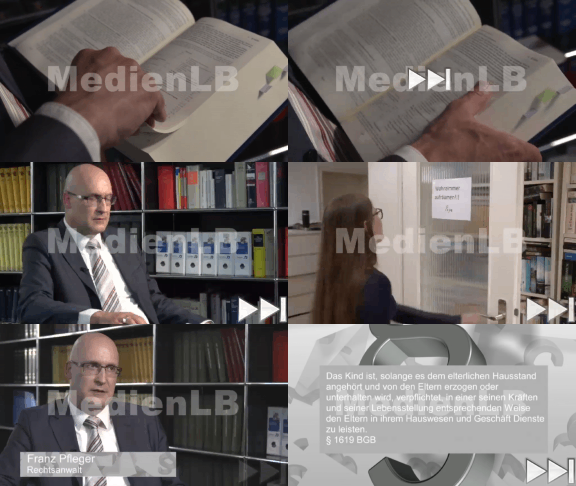
Three girls of different ages: Anna is 17, Paula 15 and Lena 13. Before the law, their respective ages have consequences – because children and adolescents have different rights and also obligations.