







 Geography
4673672 / 5562362
Lower Saxony
The Federal States of Germany
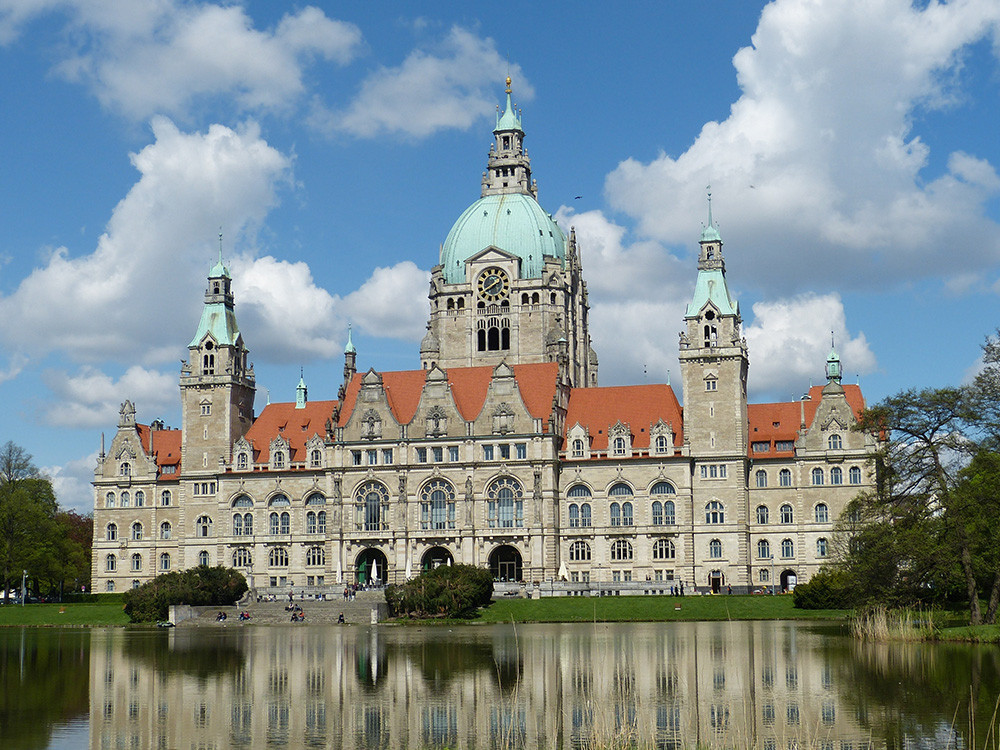
Between the North Sea and the Harz, Ems and Elbe, stretches one of Germany’s federal states in which, according to legend, once the Pied Piper of Hamelin, Till Eulenspiegel and the lying Baron Munchhausen did their mischief.
Here, things were invented which others took credit for later. The inventive genius of the people of Lower Saxony became the foundation of a successful, innovative federal state.
With the North Sea and the lower course of the Elbe, Lower Saxony has a natural boundary in the north. In the southeast, it is bordered by the Harz. A major part of the state lies in the North German Plain.
The rivers of Aller, Weser, Ems and Elbe shape Lower Saxony. The highest mountain is the Wurmberg in the Harz at 971 metres.

Curriculum-centred and oriented towards educational standards
Matching
The Daily Newspaper
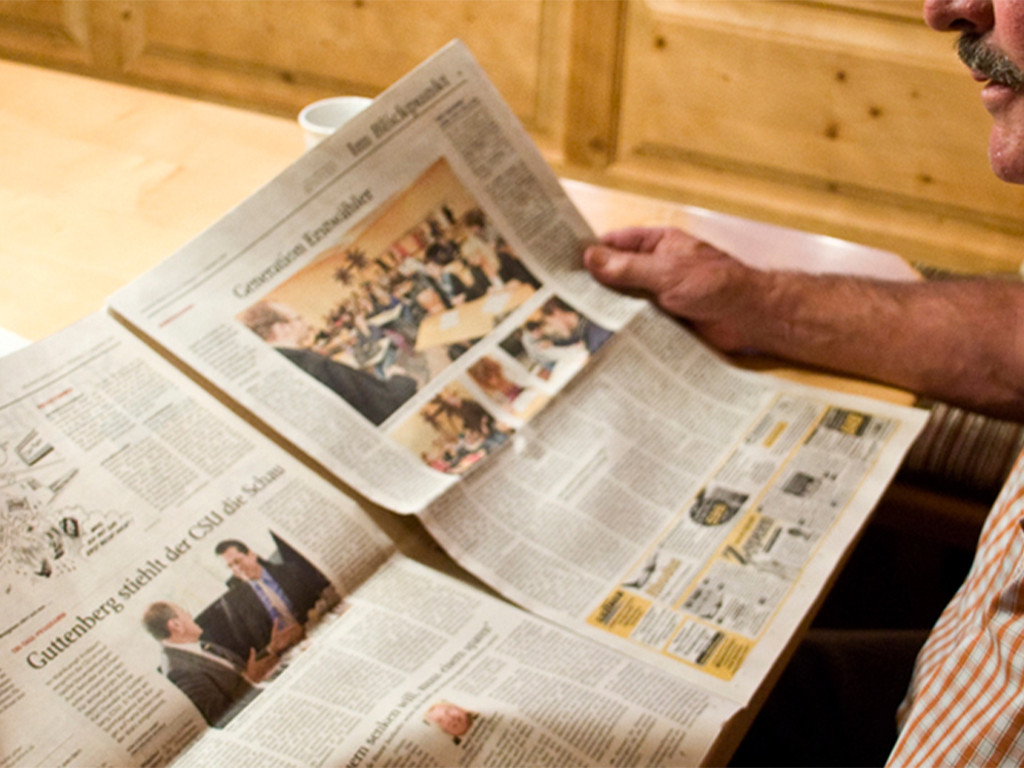
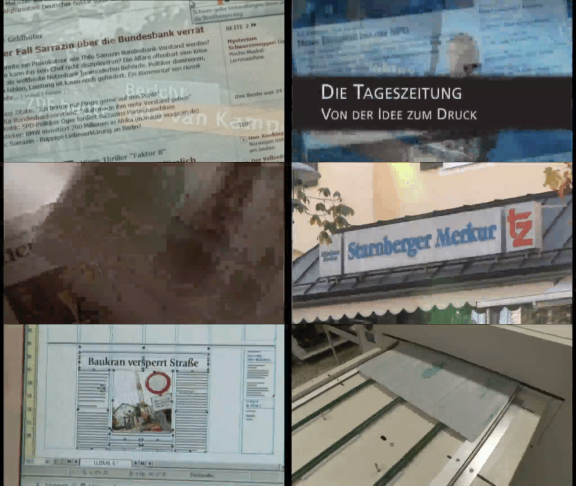
Every day, there is a surge of news reaching us via different news channels. In spite of TV and Internet, the daily paper still is one of the most important main sources of news. But how is a newspaper created? The film shows the production of a paper in the course of one day. Starting with the editorial meeting in the morning, in which the topics and deadlines are determined, the film accompanies a journalist during her research work. You can see how a journalistic interview is conducted and what the photographer must consider when taking a press photo. Back in the editorial office, the editor’s work is illustrated, which includes the page layout and the writing of an online article in today’s time. Impressive pictures from the printing centre depict the process from the digital page to the finished newspaper. Together with the comprehensive accompanying material, the DVD is perfectly suited for use at school
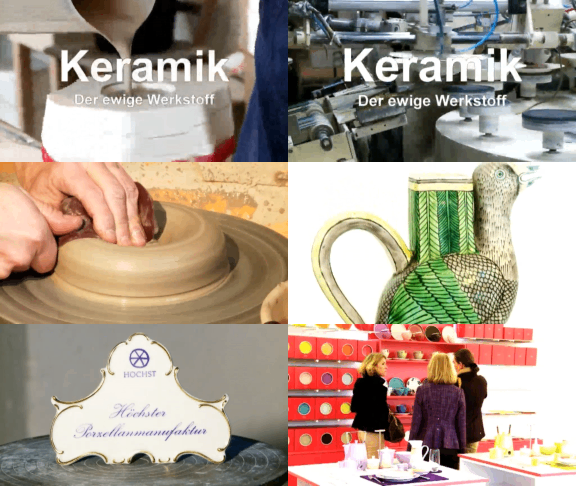
Ceramic
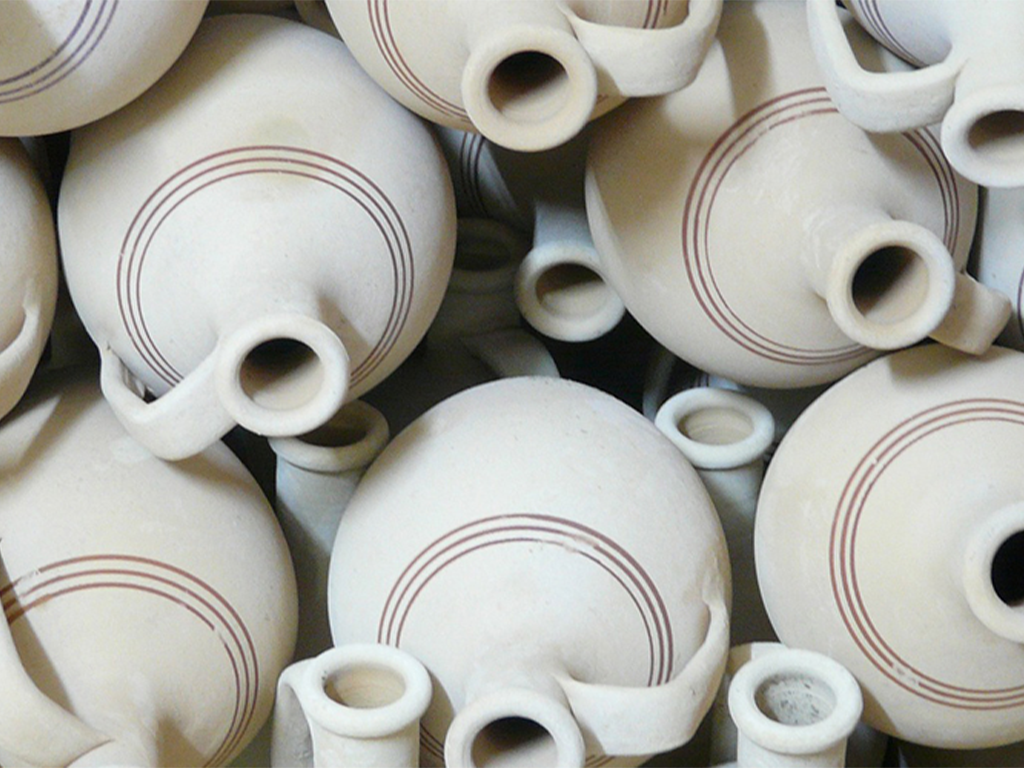
Ceramics are indispensable in our everyday lives. We eat from ceramic plates, drink from ceramic cups, use tiled ceramic bathrooms. But how is ceramic manufactured? The film reveals the secrets of this fascinating material! We get to know more about the beginnings of ceramic in the Old World of Egypt and Mesopotamia, about Greece, China and Rome. We gain interesting insights into the valuable earthenware and are also shown the exquisite further development of the "white gold". Today this versatile material is irreplaceable in industry, too. Whether in space or as an easily compatible substitute in medicine, ceramic is applied in many places.
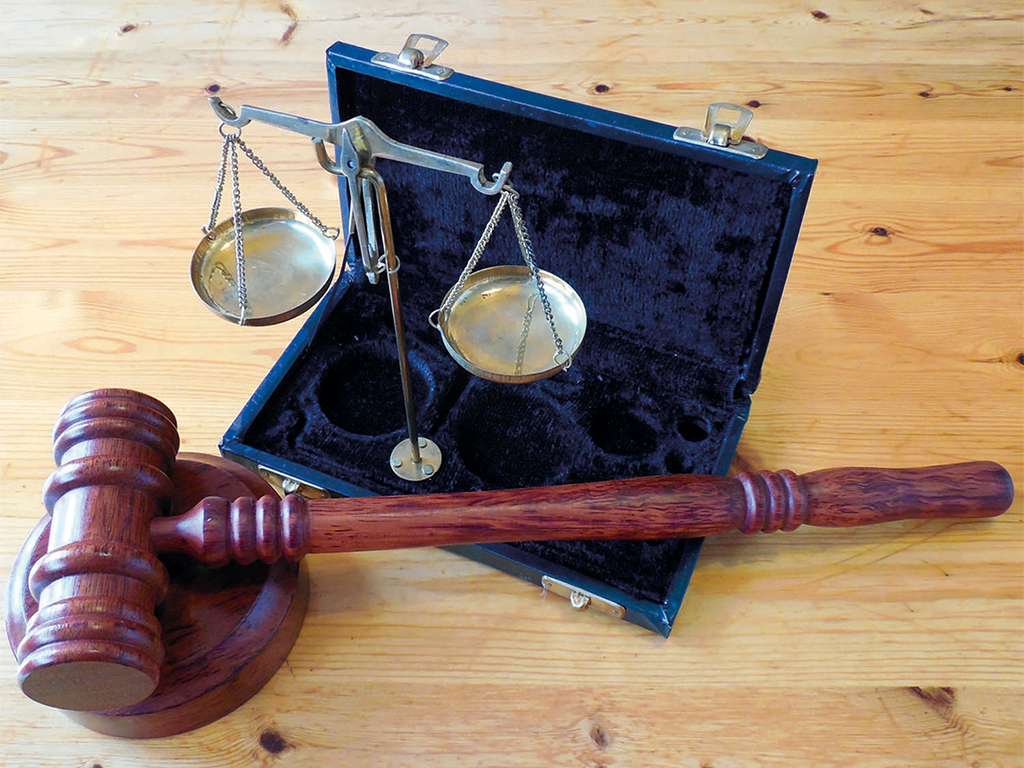

Rights and Obligations
Three girls of different ages: Anna is 17, Paula 15 and Lena 13. Before the law, their respective ages have consequences – because children and adolescents have different rights and also obligations.