







 Biologie, Gesellschaft
4670849 / 5560955
Körpersprache
Was verrät uns der Körper
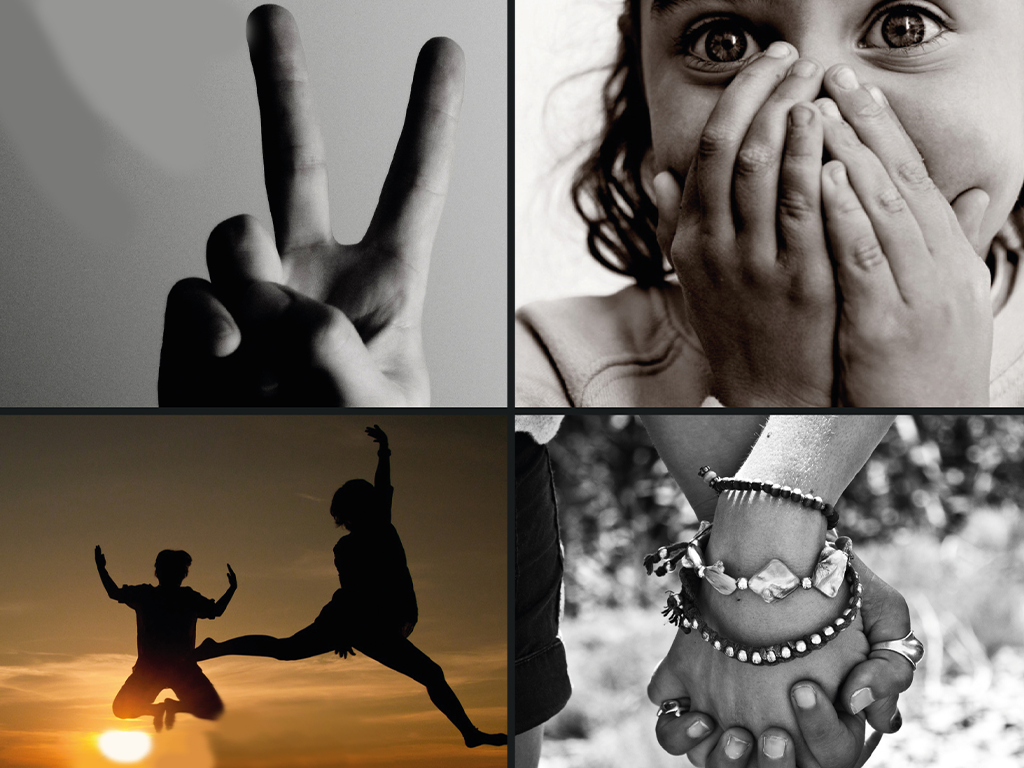
Körpersprache – jeder benutzt sie, aber meistens ist uns das gar nicht bewusst.
Unser Körper spricht sogar, wenn wir telefonieren, obwohl uns der andere dabei gar nicht sehen kann. Es gibt Grundformen, die jedem Menschen angeboren sind, etwa wenn wir Angst haben oder lachen. Diese Signale werden deshalb auf der ganzen Welt in gleicher Weise verstanden.
Es gibt aber auch kulturelle Unterschiede, vor allem dann, wenn gestikuliert wird. Welche Bedeutung haben einzelne Signale, die wir übermitteln? Wie können wir sie so aussenden, dass andere sie richtig verstehen, und wie können wir sie selbst richtig interpretieren?
Wie wichtig Körpersprache ist, zeigt sich, wenn es gilt die Signale von potenziellen Gewalttätern frühzeitig zu erkennen. Auf einem Anti-Gewalt-Training gehen Joey Grit Winkler und Fero Andersen der Frage nach, woran man gewaltbereite Jugendliche erkennt und wie man seine eigene Körpersprache gezielt einsetzen kann, um das Schlimmste zu verhindern.
Ob bewusst oder nicht: Auch in alltäglicheren Situationen sprechen vor allem Gesicht und Mimik Bände. Was verrät unser Körper beim Bewerbungsgespräch, ohne dass wir auch nur ein Wort sagen, und wie wird er „gelesen“?
Wie setze ich ein Pokerface auf? Wo lauern beim Flirten üble Fettnäpfchen? Das und vieles mehr heute bei „Schau dich schlau!“.

Lehrplanzentral und an den Bildungsstandards orientiert
Passend dazu

Resuscitation
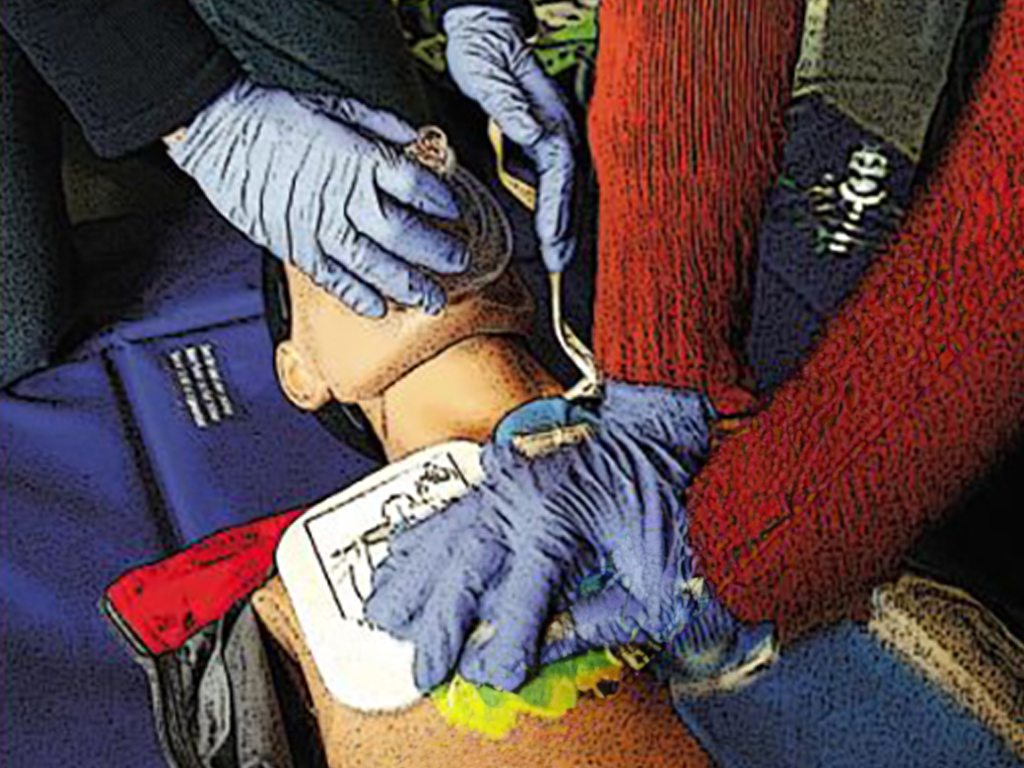
It can happen to anyone – of any age, in any place, at any time. Sudden cardiac arrest may quickly prove fatal. Immediate action is called for! Just remember: Check Call Press Anyone can do it. You can't do anything wrong!
The Daily Newspaper
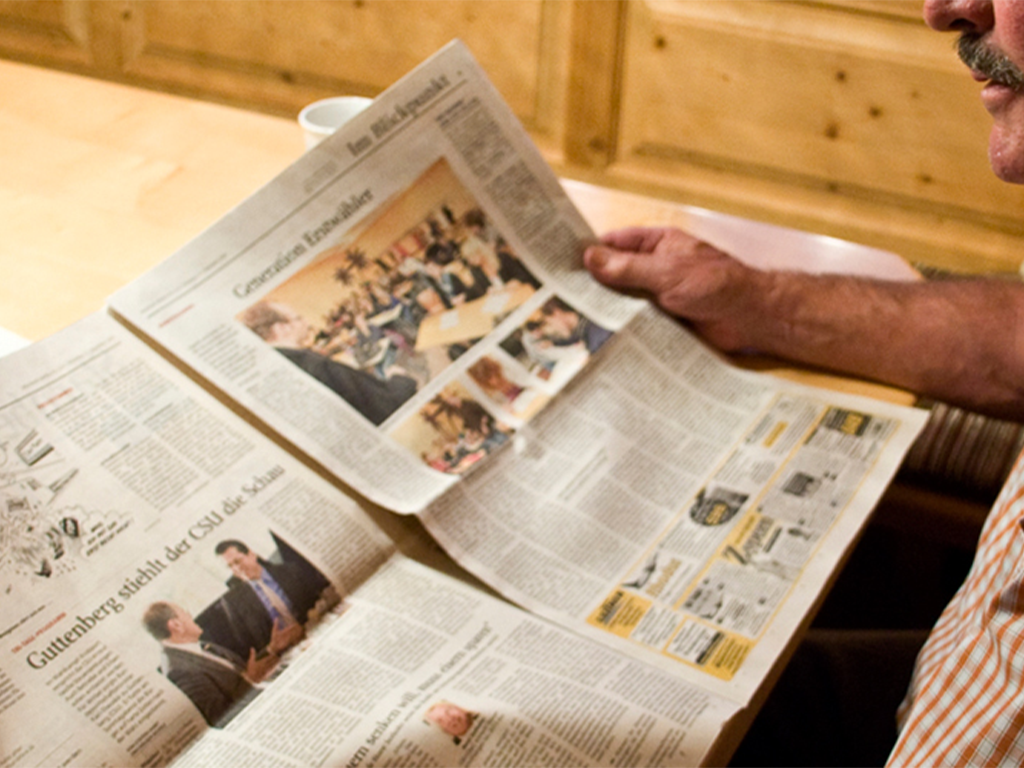
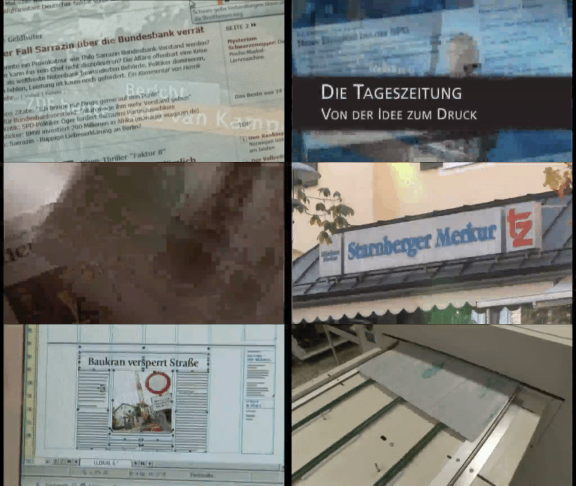
Every day, there is a surge of news reaching us via different news channels. In spite of TV and Internet, the daily paper still is one of the most important main sources of news. But how is a newspaper created? The film shows the production of a paper in the course of one day. Starting with the editorial meeting in the morning, in which the topics and deadlines are determined, the film accompanies a journalist during her research work. You can see how a journalistic interview is conducted and what the photographer must consider when taking a press photo. Back in the editorial office, the editor’s work is illustrated, which includes the page layout and the writing of an online article in today’s time. Impressive pictures from the printing centre depict the process from the digital page to the finished newspaper. Together with the comprehensive accompanying material, the DVD is perfectly suited for use at school
Peer Mediation
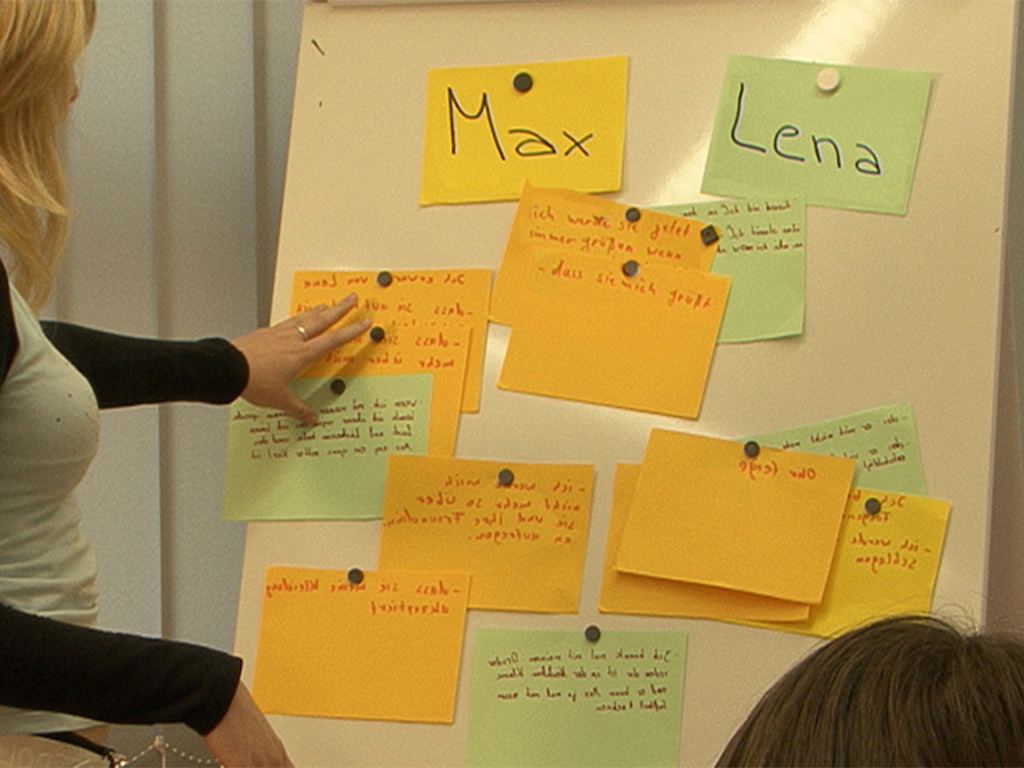
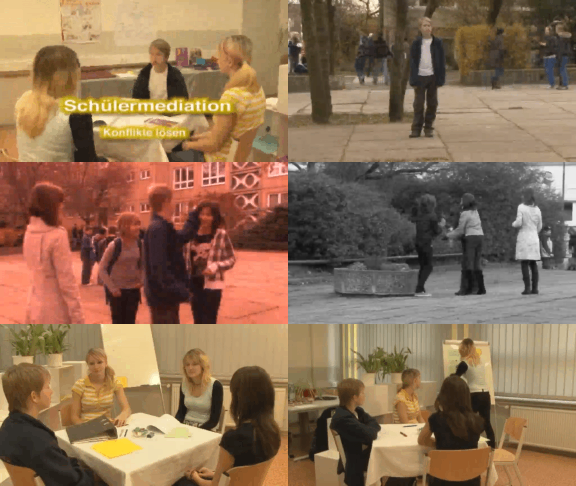
Lena and Max attend the 7th form. Max is new in class. During a break, Max notices that Lena and her friend are laughing at him again. Max loses his temper! He slaps Lena in the face. That hurts and Lena runs back into the classroom with a red cheek. The growing conflict between the two has escalated. Just like Lena and Max, every day pupils all over Germany have rows with each other. At the Heinrich Hertz Gymnasium in Thuringia, pupils have been trained as mediators for years. At set hours, they are in a room made available by the school specifically for mediation purposes. The film describes the growing conflict between Max and Lena and shows a mediation using their example. In doing so, the terms “conflict” and “peer mediation” are explained in a non-technical way. The aims of peer mediation and its progress in five steps as well as the mediators’ tasks are illustrated. The art of asking questions and “mirroring”, which the mediators must know, is described and explained. Together with the comprehensive accompanying material, the DVD is a suitable medium to introduce peer mediation at your school, too.
