







 Biologie, Gesellschaft
4670849 / 5560955
Körpersprache
Was verrät uns der Körper
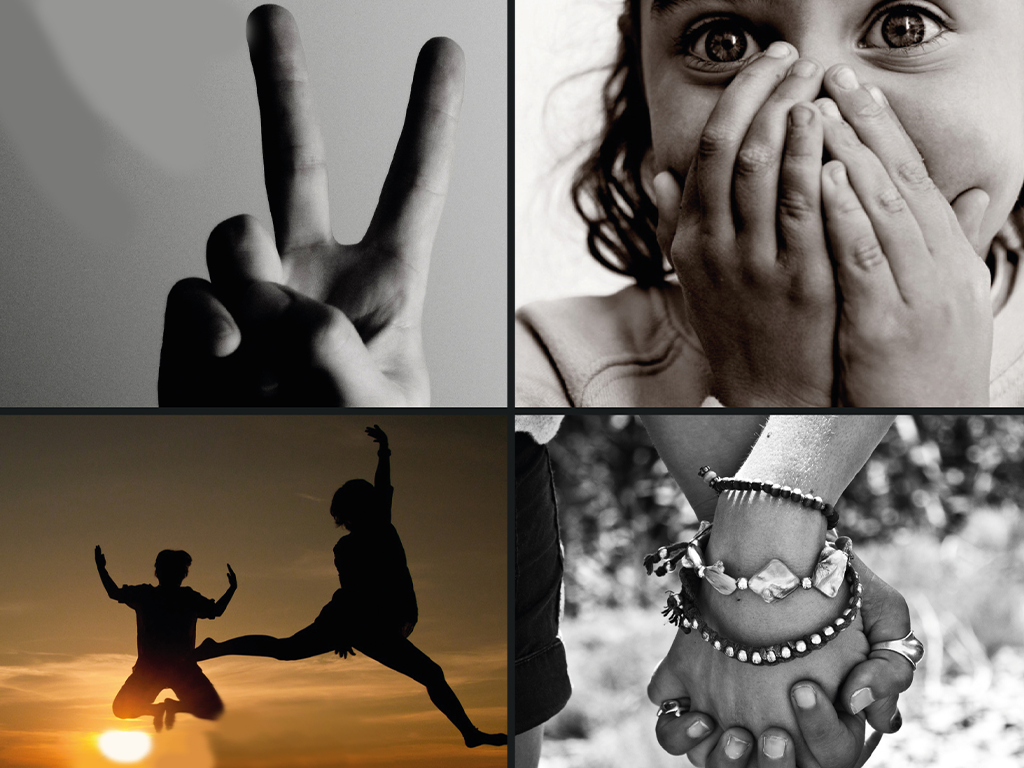
Körpersprache – jeder benutzt sie, aber meistens ist uns das gar nicht bewusst.
Unser Körper spricht sogar, wenn wir telefonieren, obwohl uns der andere dabei gar nicht sehen kann. Es gibt Grundformen, die jedem Menschen angeboren sind, etwa wenn wir Angst haben oder lachen. Diese Signale werden deshalb auf der ganzen Welt in gleicher Weise verstanden.
Es gibt aber auch kulturelle Unterschiede, vor allem dann, wenn gestikuliert wird. Welche Bedeutung haben einzelne Signale, die wir übermitteln? Wie können wir sie so aussenden, dass andere sie richtig verstehen, und wie können wir sie selbst richtig interpretieren?
Wie wichtig Körpersprache ist, zeigt sich, wenn es gilt die Signale von potenziellen Gewalttätern frühzeitig zu erkennen. Auf einem Anti-Gewalt-Training gehen Joey Grit Winkler und Fero Andersen der Frage nach, woran man gewaltbereite Jugendliche erkennt und wie man seine eigene Körpersprache gezielt einsetzen kann, um das Schlimmste zu verhindern.
Ob bewusst oder nicht: Auch in alltäglicheren Situationen sprechen vor allem Gesicht und Mimik Bände. Was verrät unser Körper beim Bewerbungsgespräch, ohne dass wir auch nur ein Wort sagen, und wie wird er „gelesen“?
Wie setze ich ein Pokerface auf? Wo lauern beim Flirten üble Fettnäpfchen? Das und vieles mehr heute bei „Schau dich schlau!“.

Lehrplanzentral und an den Bildungsstandards orientiert
Passend dazu


Wegwerfgesellschaft
Allein in Deutschland landen jedes Jahr elf Millionen Tonnen Lebensmittel im Müll. Würde man diese Menge Lebensmittelabfall in Lkws verladen, so ergäbe sich eine Lkw-Schlange, die von Berlin bis nach Peking reichen würde.

ADHS
Die ADHS, die Aufmerksamkeitsdefizit-/Hyperaktivitätsstörung gehört zur Gruppe der Störungen von Verhalten und Emotionen. Wissenschaftler gehen davon aus, dass in jeder Klasse zwei bis drei Betroffene sitzen.