







 Chemie

55508962
Isotope
Atomaufbau
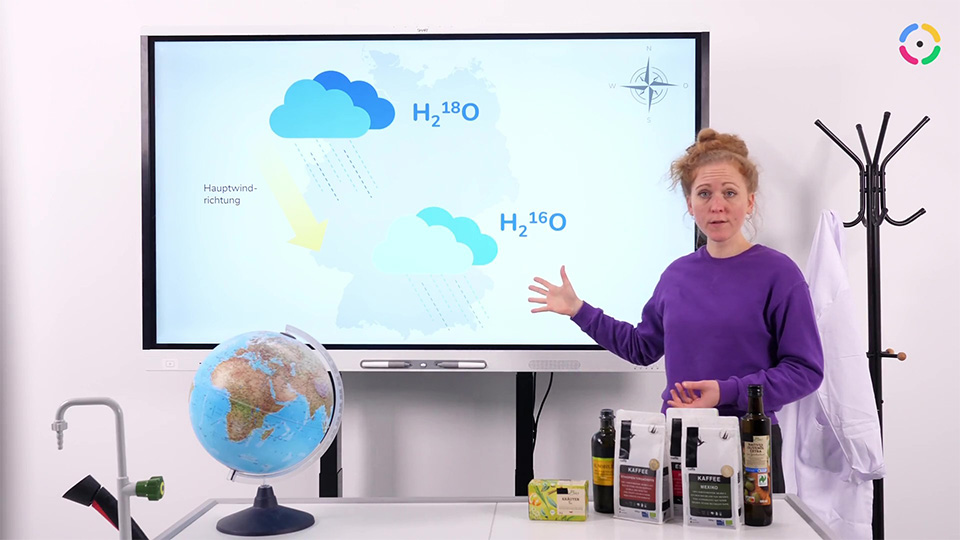
Die Schülerinnen und Schüler lernen in dieser Stunde Isotope kennen. Sie können erklären, wodurch sich diese auszeichnen und welchen Einfluss sie auf die Massenzahl eines Elements im Periodensystem haben. Darüber hinaus lernen die Schüler-/innen Anwendungsbeispiele für die Isotopenuntersuchung kennen. Sie verstehen, wie es zu regionalen Unterschieden der Isotopenverteilung kommt und wie diese bei Lebensmittelkontrollen helfen. Daneben setzen sich die Schülerinnen und Schüler auch mit instabilen Isotopen auseinander und können erklären, wie mithilfe der Radiokarbonmethode das Alter archäologischer Funde datiert werden kann.
- <> Sprachen : DE
- <> Zielgruppen : Sek I
- <> Fach : Chemie
- <> Aufgaben : 10
Lizenzen
Beinhaltete Aufgaben
- Video: Isotope - Vorwissen aktivieren
- Video: Isotope - Einführung
- Aufgabe: Isotope - Verständnissicherung
- Video: Isotope - Erarbeitung
- Aufgaben: Isotope - Üben und Anwenden
- Video: Isotope - Vertiefung
- Video: Isotope - Ergebnissicherung
- Aufgaben: Isotope - Teste dein Wissen
- Aufgabe: Isotope - Die Ausgrabung
- Isotope - Merkblatt
Lehrplanzentral und an den Bildungsstandards orientiert
Passend dazu
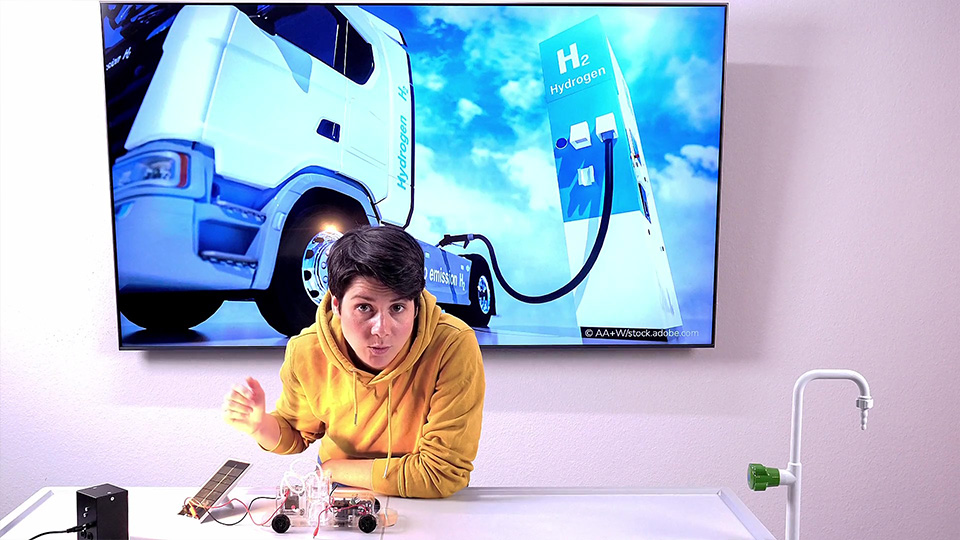
Antriebstechniken von Fahrzeugen
Zehn interaktive H5P-Aufgaben, die den Ablauf einer Schulstunde nachvollziehen, erklären in Videos Antriebstechniken von Fahrzeugen und sichern das Wissen mit Aufgaben ab.
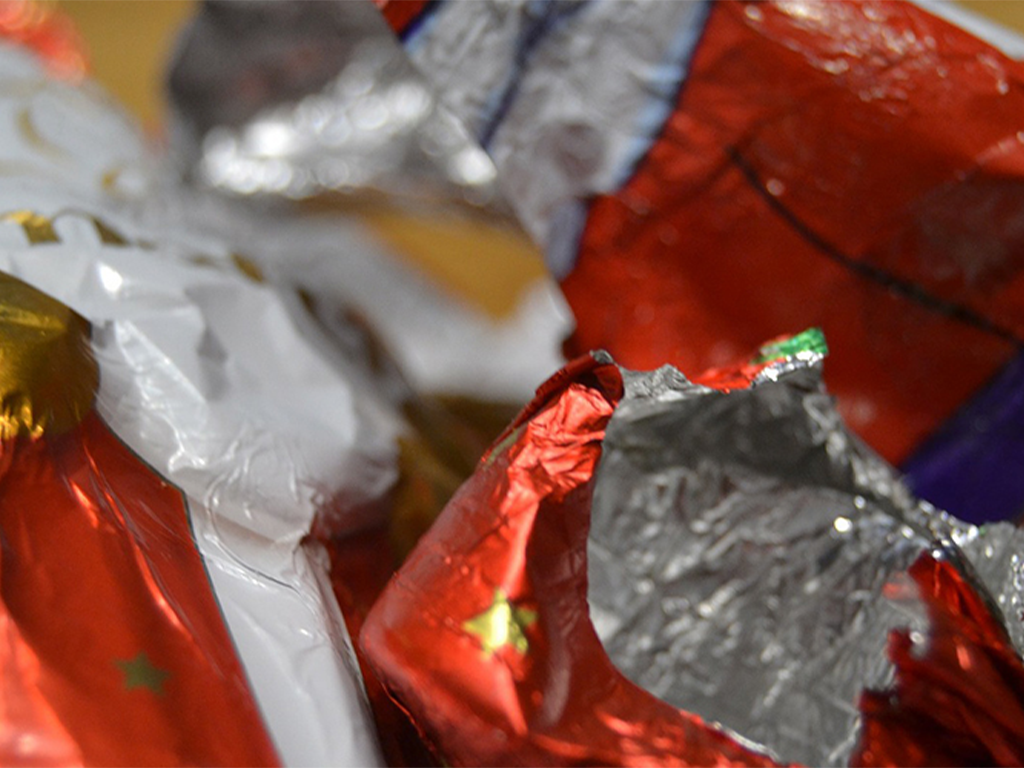

Aluminium I
ALUMINIUM I - EIGENSCHAFTEN, REAKTIONEN, BESONDERHEITEN Aluminium begegnet uns in der modernen Welt auf Schritt und Tritt. Dies hängt mit den besonderen Eigenschaften des Metalls zusammen. Aluminium ist dabei, Eisen und Stahl aus dem Maschinenbau immer weiter zu verdrängen, da Aluminium einen energiesparenden Leichtbau bei Flugzeugen und Verkehrsmittel aller Art ermöglicht. Aluminium ist widerstandsfähig gegen Witterungseinflüsse, es rostet nicht und eignet sich daher auch als Baumaterial für Häuserfassaden, Fensterrahmen oder einfach für alle Teile, die Wind und Wetter ausgesetzt sind. Dabei hat Aluminium eine edel wirkende Oberfläche, die es als Material für das Wohndesign empfiehlt.
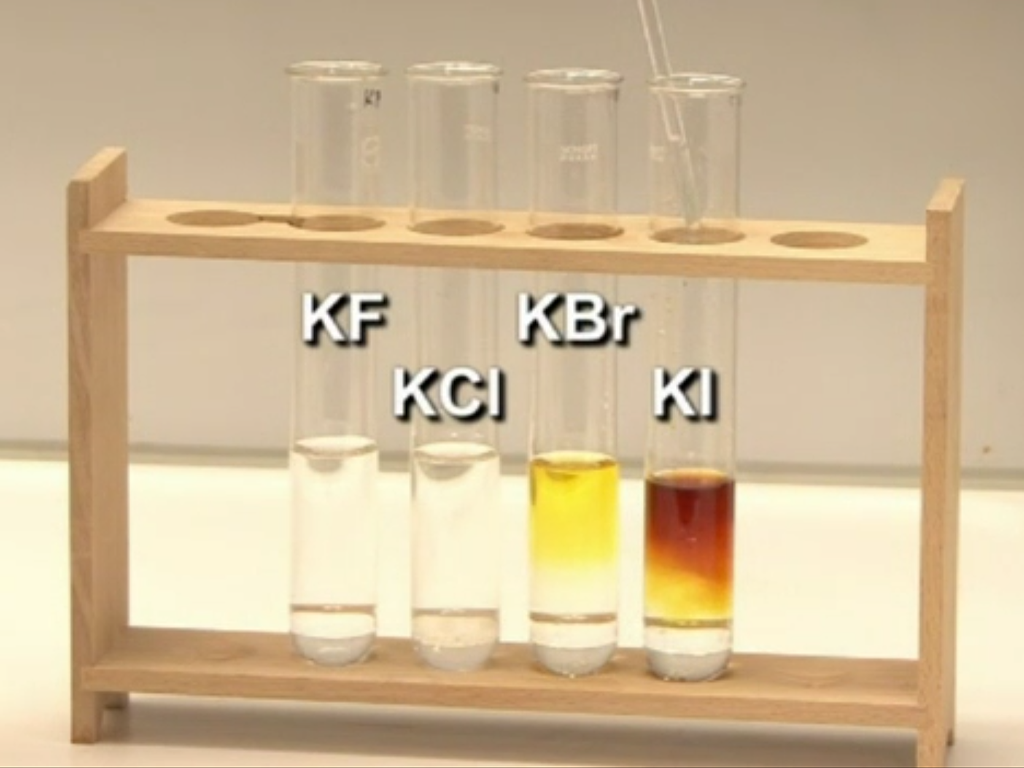

Halogene
HALOGENE - DIE CHEMIE VON BROM und IOD Die Verbindungen der Halogene sind - mit Ausnahme des Astats - weit verbreitet, begegnen uns in der Natur und sind vielseitig verwendete Substanzen. Diese Tatsache greifen wir bei dieser DVD auf, um den Schüler/-innen die Chemie der Halogene zu vermitteln, die typischen Eigenschaften zu erläutern und den Zusammenhang von Struktur und chemischer Eigenschaften zu beleuchten.
