







 Gesellschaft, Medienbildung

46503502 / 55502976
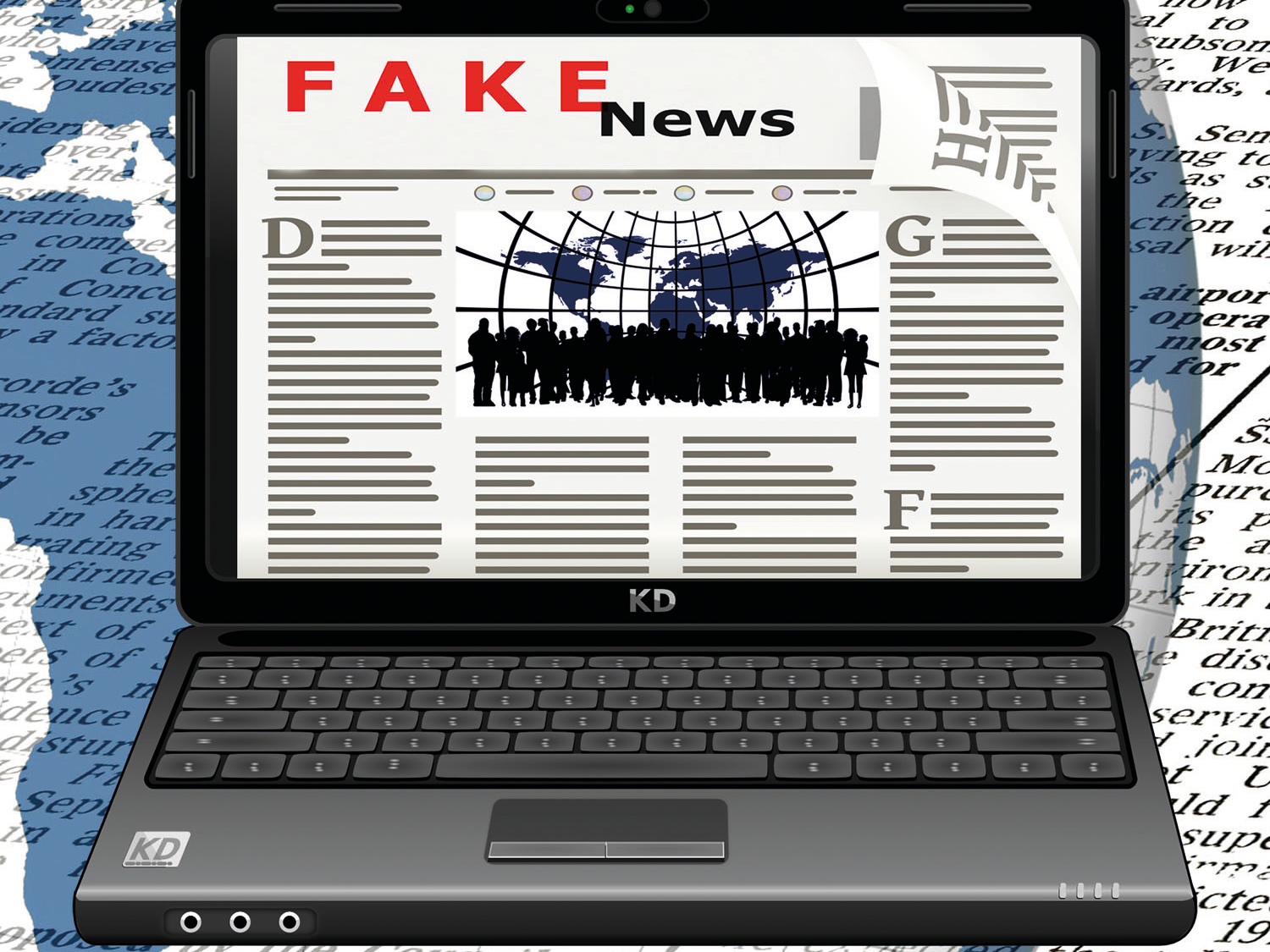
Fake News
Glaubwürdigkeit in den Medien
Otto von Bismarck sagte einst: „Es wird niemals so viel gelogen wie vor der Wahl, während des Krieges und nach der Jagd.“ Auch er selbst nutzte gefälschte Nachrichten, heute nennt man sie „Fake News“, um einen politischen oder strategischen Vorteil zu erlangen.
Der Film untersucht das Phänomen der „Fake News“ zunächst aus historischer, dann aus gesellschaftlicher Perspektive.
Ein Schwerpunkt des Filmes, in dem zahlreiche Politiker:innen zu Wort kommen, ist das Erkennen von „Fake News“, die mit den sozialen Medien ungeheure Verbreitung erfahren und, man sieht es in der Corona-Pandemie, auch ungeheure Sprengkraft entfalten können.
In Verbindung mit dem umfangreichen Zusatzmaterial (Arbeitsblätter, Testfragen, Glossar, interaktive Aufgaben) lässt sich das Medium hervorragend im Unterricht verwenden.
Testfragen, Glossar und interaktive Aufgaben wurden mit H5P erstellt und können ohne weitere Software verwendet werden.
- <> Sprachen : DE
- <> Zielgruppen : Sek I
- <> Fach : Gesellschaft, Medienbildung
- <> Spieldauer : 19:35 min
- In Lehrmediathek ansehen
Lizenzen
Lehrplanzentral und an den Bildungsstandards orientiert
Passend dazu


Geschlechteridentität
Teil des Erwachsenwerdens ist es, seine eigene Identität zu finden. Für manche wird diese Identitätsfindung erschwert, weil das körperliche Geschlecht nicht mit dem empfundenen Geschlecht übereinstimmt.

Gleichstellung der Geschlechter
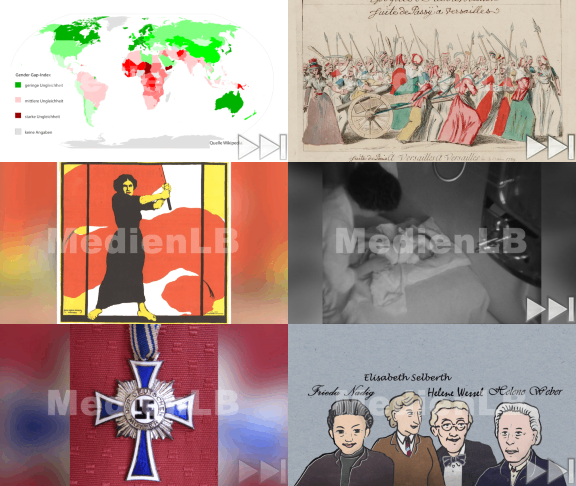
„Männer und Frauen sind gleichberechtigt.“, so steht es im deutschen Grundgesetz in Artikel 3. Doch leben wir tatsächlich in einer geschlechtergerechten Gesellschaft? Der Film gibt darüber Aufschluss. Für den Unterricht empfohlen!