







 Chemie

55508962
Isotope
Atomaufbau
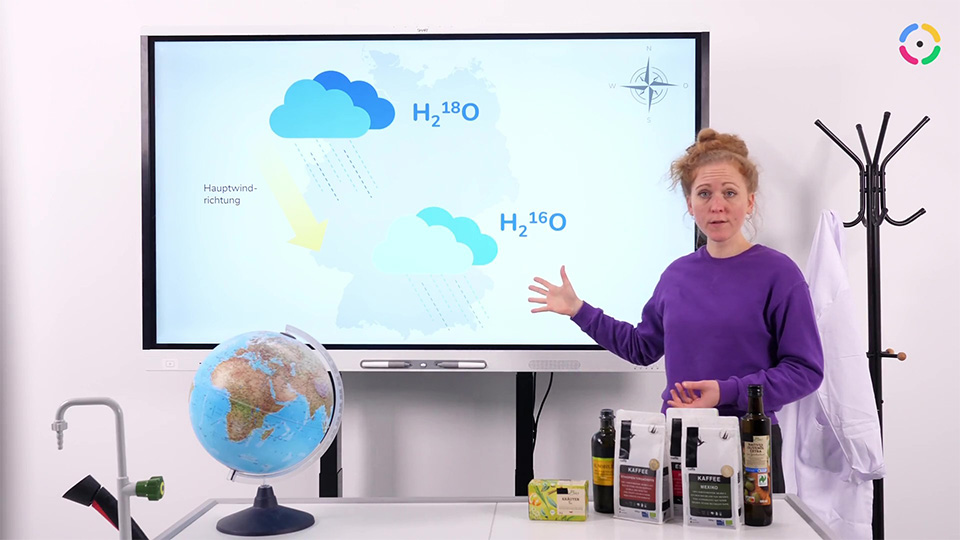
Die Schülerinnen und Schüler lernen in dieser Stunde Isotope kennen. Sie können erklären, wodurch sich diese auszeichnen und welchen Einfluss sie auf die Massenzahl eines Elements im Periodensystem haben. Darüber hinaus lernen die Schüler-/innen Anwendungsbeispiele für die Isotopenuntersuchung kennen. Sie verstehen, wie es zu regionalen Unterschieden der Isotopenverteilung kommt und wie diese bei Lebensmittelkontrollen helfen. Daneben setzen sich die Schülerinnen und Schüler auch mit instabilen Isotopen auseinander und können erklären, wie mithilfe der Radiokarbonmethode das Alter archäologischer Funde datiert werden kann.
- <> Sprachen : DE
- <> Zielgruppen : Sek I
- <> Fach : Chemie
- <> Aufgaben : 10
Lizenzen
Beinhaltete Aufgaben
- Video: Isotope - Vorwissen aktivieren
- Video: Isotope - Einführung
- Aufgabe: Isotope - Verständnissicherung
- Video: Isotope - Erarbeitung
- Aufgaben: Isotope - Üben und Anwenden
- Video: Isotope - Vertiefung
- Video: Isotope - Ergebnissicherung
- Aufgaben: Isotope - Teste dein Wissen
- Aufgabe: Isotope - Die Ausgrabung
- Isotope - Merkblatt
Lehrplanzentral und an den Bildungsstandards orientiert
Passend dazu
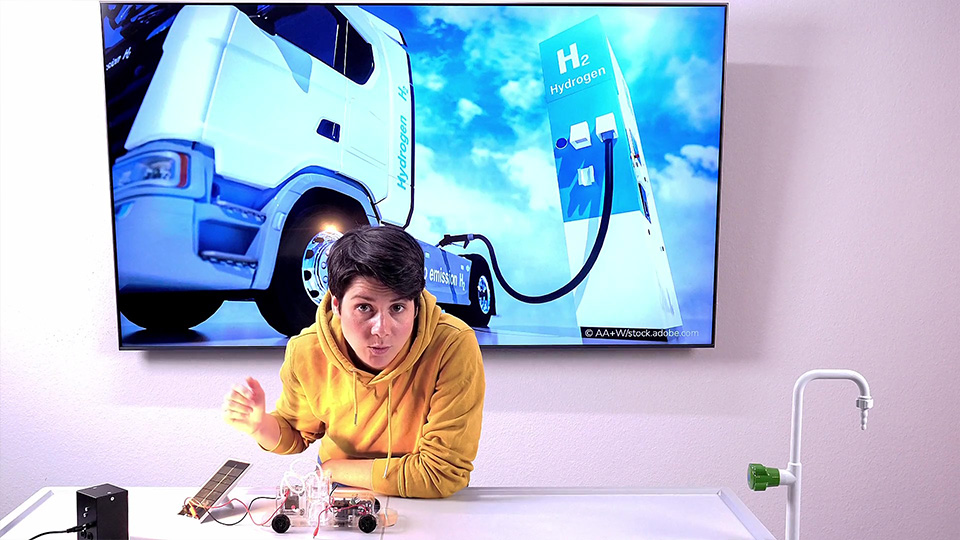
Antriebstechniken von Fahrzeugen
Zehn interaktive H5P-Aufgaben, die den Ablauf einer Schulstunde nachvollziehen, erklären in Videos Antriebstechniken von Fahrzeugen und sichern das Wissen mit Aufgaben ab.
Chemie im Haushalt
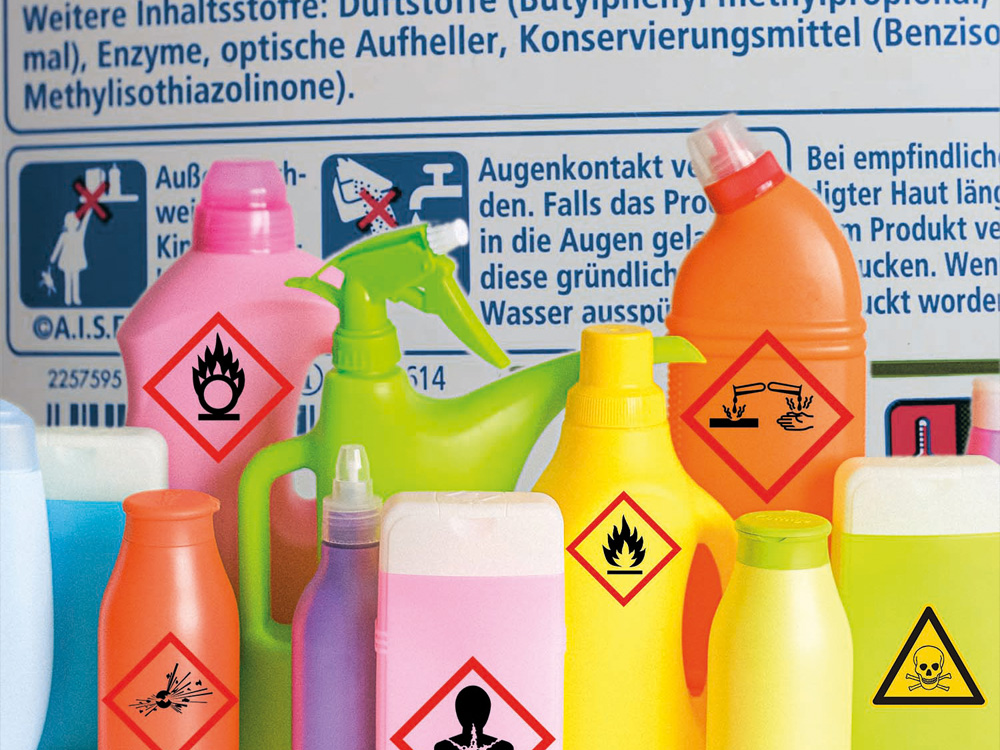
Backen, Abwaschen, reinigen, – ganz normale Tätigkeiten im Haushalt. Dazu nutzen wir meist vielfältige Helfer wie Back- und Reinigungsmittel. Die Allgegenwärtigkeit von Chemie und der damit verbundenen chemischen Reaktionen sind uns oft nicht bewusst.