








MS_34
senseBox:edu S2
Die Umwelt beforschen und dabei spielerisch Programmieren lernen!
Die senseBox:edu S2 ist die nächste Generation der senseBox:edu. Wie die Vorgängerversionen ist sie speziell für den Bildungsbereich konzipiert. Die S2 bietet einen erweiterten Hardwareumfang, um noch mehr Vielfalt in Projekten und Experimenten zu ermöglichen. Der senseBox MCU S2 Mikrocontroller hat zudem viele Komponenten direkt auf dem Board integriert, wie eine RGB-LED, einen Akkuladeregler für eine unkomplizierte und zuverlässige Stromversorgung sowie W-LAN und eine mSD-Karte zur Datenspeicherung, wodurch der Zusammenbau vereinfacht und zeitsparender gestaltet wird. Zudem sind ein Bluetooth-Bee zur Verwendung mit der Phyphox-App, eine LED-Matrix zur farblichen Darstellung und zur Vermittlung weiterer Konzepte aus der Informatik (z.B. Arrays) und ESP Now zur direkten Kommunikation zwischen mehreren MCUs S2 in der neuen senseBox:edu S2 als neue Features enthalten.
Alles, was für den Einsatz im Unterricht benötigt wird, ist in einem robusten Kunststoffkoffer mit Schaumstoffeinlage untergebracht. Die Programmierung ist in senseBox-Blockly möglich und Unterrichtsmaterialien sowie Anleitungen und Projekte stehen als Open Educational Resources (OER) frei zur Verfügung.
(Versandkosten je Bestellung € 5,95 innerhalb Deutschlands)
Link zu einer Sammlung von Beispiel-Videos: 
Link zum Hersteller: 
Links zu Lernkarten: 
Links zu Projekten: 
Lieferumfang

Programmierung
Die senseBox:edu kann sowohl mit einer grafischen Programmieroberfläche (webbasiert, – es muss nichts installiert werden) als auch mit einer textbasierten Programmieroberfläche (Arduino) programmiert werden. Die Anwendung setzt folglich keine Kenntnisse im Bereich der Informatik voraus und ist in vielen weiteren Kontexten einsetzbar, insbesondere im MINT-Bereich. Darüber hinaus können eigene Projektideen umgesetzt und selbst formulierte Hypothesen auf Grundlage eigener Messdaten bestätigt oder widerlegt und so der gesamte naturwissenschaftliche Erkenntnisgang beschritten werden.
Bei einer Bestellung ab 10 senseBox:edu S2 erhalten Sie gratis einen Transportkoffer dazu.

Lehrplanzentral und an den Bildungsstandards orientiert
Passend dazu

senseBox Air Quality Explorer Set
SenseBox Sensor Upgrade: Erweiterungsset für die Luftqualitätsmessung.

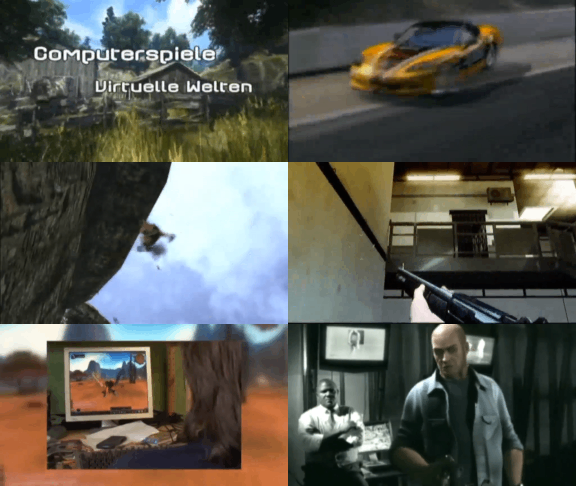
Computer Games
This film covers the topic of computer games in a variety of ways and from many different angles. Apart from the fascina- tion of computer games for users, the historical development as well as the production of computer games are described. The established genres are introduced, the guidelines of the German BPjM are explained. In light of recent public discussions, a neutral overview of the pros and cons of playing computer games is given, and different kinds of player behaviour are outlined. In this film, the pupils will recognise many aspects of their favourite pastime that encourage an independent, constructive use of this medium and reinforce their media competency. The film and teaching material are very closely related to the real-life situation.
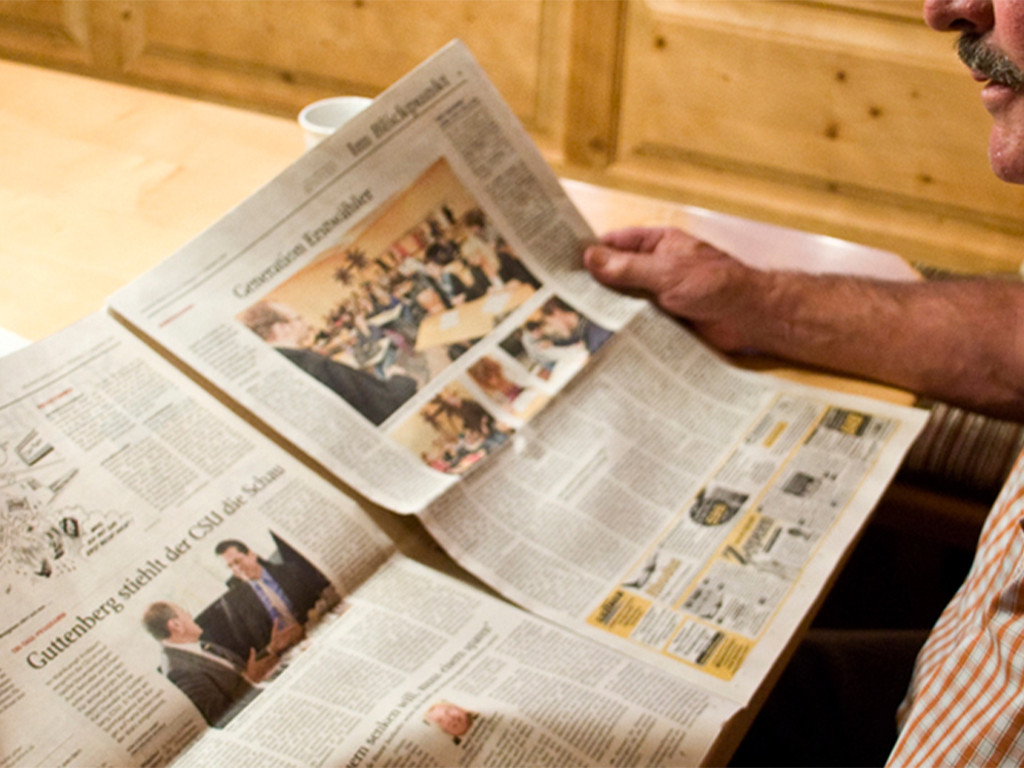
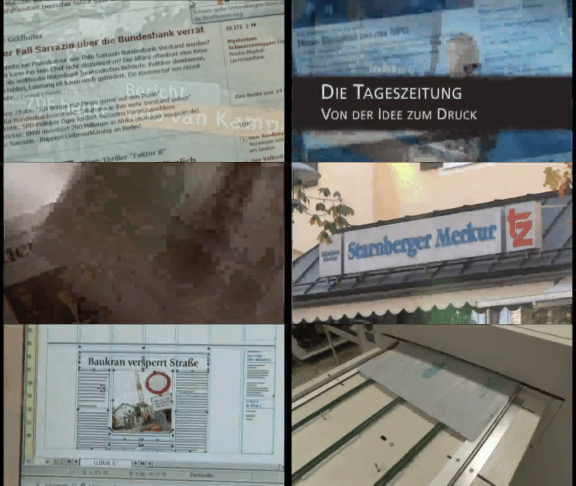
The Daily Newspaper
Every day, there is a surge of news reaching us via different news channels. In spite of TV and Internet, the daily paper still is one of the most important main sources of news. But how is a newspaper created? The film shows the production of a paper in the course of one day. Starting with the editorial meeting in the morning, in which the topics and deadlines are determined, the film accompanies a journalist during her research work. You can see how a journalistic interview is conducted and what the photographer must consider when taking a press photo. Back in the editorial office, the editor’s work is illustrated, which includes the page layout and the writing of an online article in today’s time. Impressive pictures from the printing centre depict the process from the digital page to the finished newspaper. Together with the comprehensive accompanying material, the DVD is perfectly suited for use at school
