






 Biologie, Grundschule
55508234 / 46507202
Buntspecht
Aussehen, Verbreitung, Lebensweise
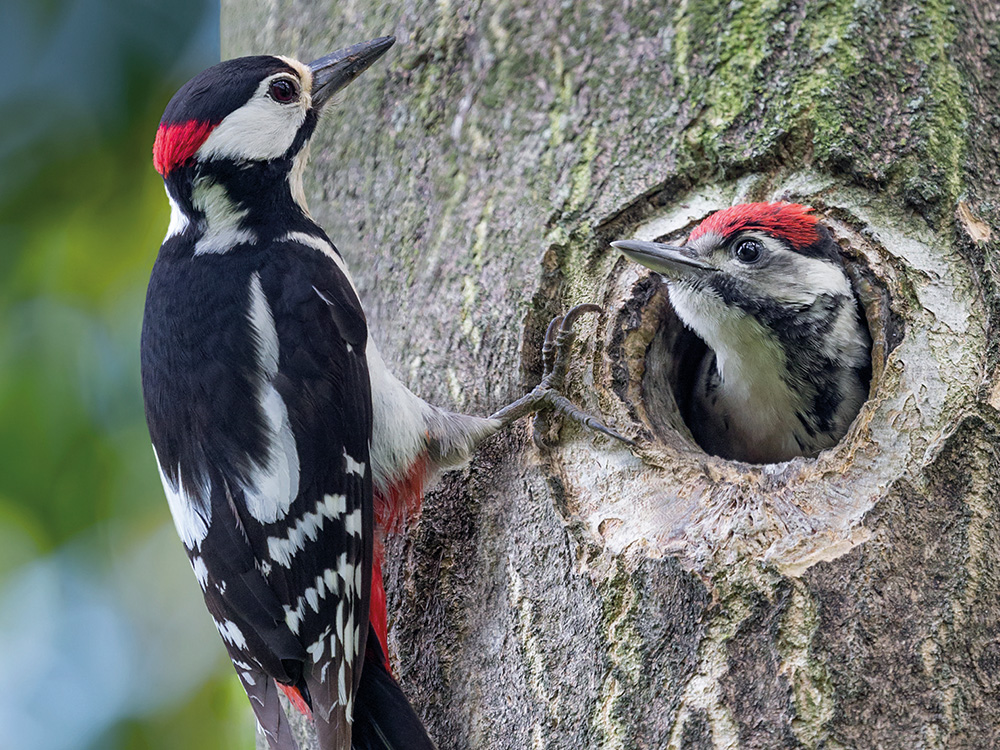
Der Buntspecht lebt in unseren heimischen Wäldern, Parks und Gärten. Er hat ein schwarz-weißes Gefieder mit einem roten Bauch. Die Männchen erkennt man an einem zusätzlichen roten Fleck am Hinterkopf. Mit seinem kräftigen Schnabel trommelt er auf der Suche nach Futter oder zum Bau einer Höhle auf Baumrinden, Totholz oder auch mal an einer Hauswand.
Der Film beleuchtet den Buntspecht mit Blick auf sein Aussehen und seine Lebensweise. Auf diese Weise reflektieren die Schülerinnen und Schüler den Platz des Buntspechts im Ökosystem.
Trailer abspielen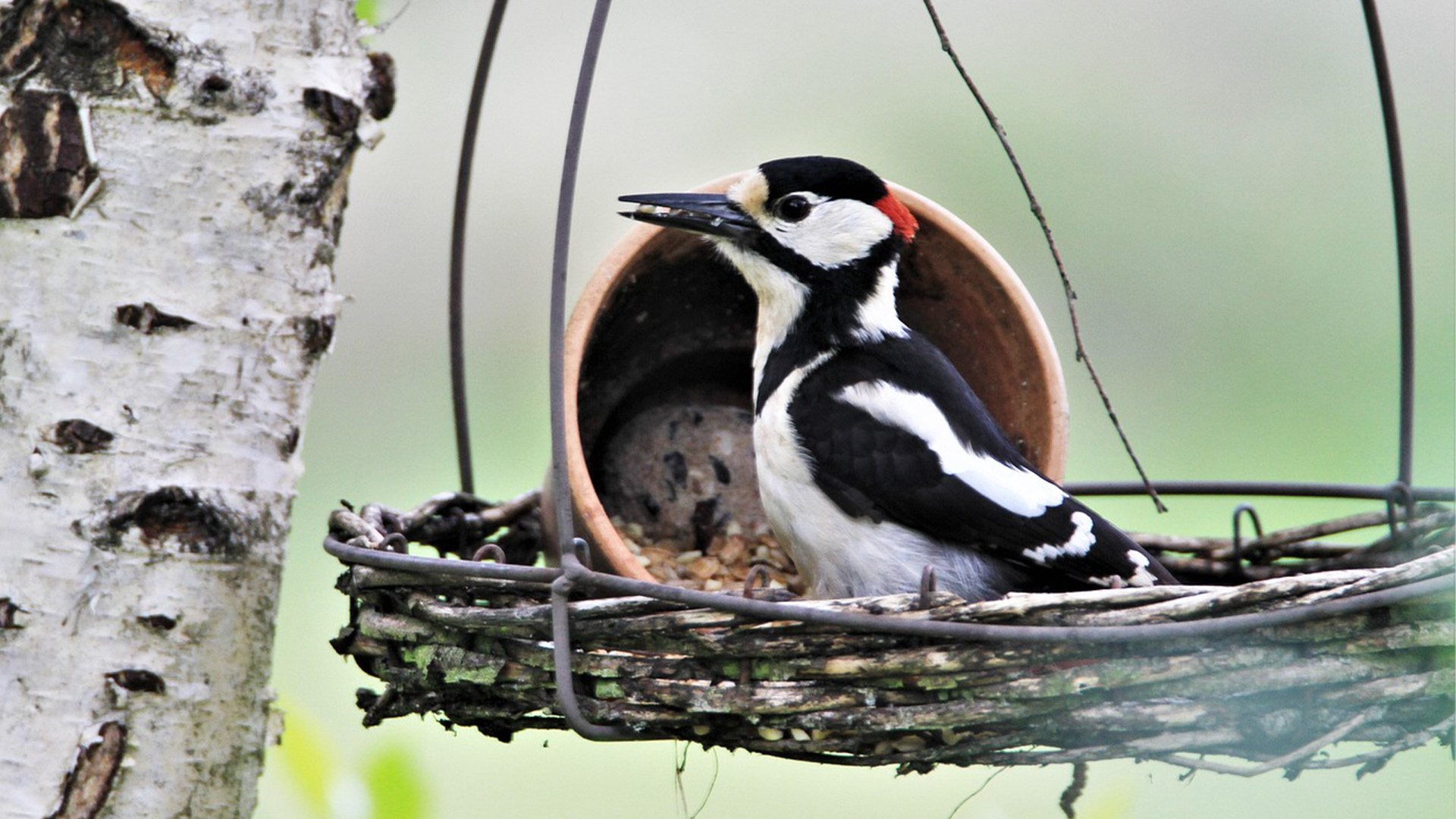
Lehrplanzentral und an den Bildungsstandards orientiert
Passend dazu


Kitchen Skills
In Zusammenarbeit mit dem GORILLA Schulprogramm gibt Ernährungscoach Anna wertvolle Tipps, die sich sofort in der Küche anwenden lassen. In einer bunten Mischung zeigt sie, wie man mit einer Zitrone Oberflächen reinigen kann, wie man Rote Beete schält, ohne dass die Hände rot werden oder auch, wie man ohne Tränen Zwiebeln schneiden kann.