







 Gesellschaft


46502192 / 55501849
Plastik in unserem Alltag
Körper, Meer, Recycling
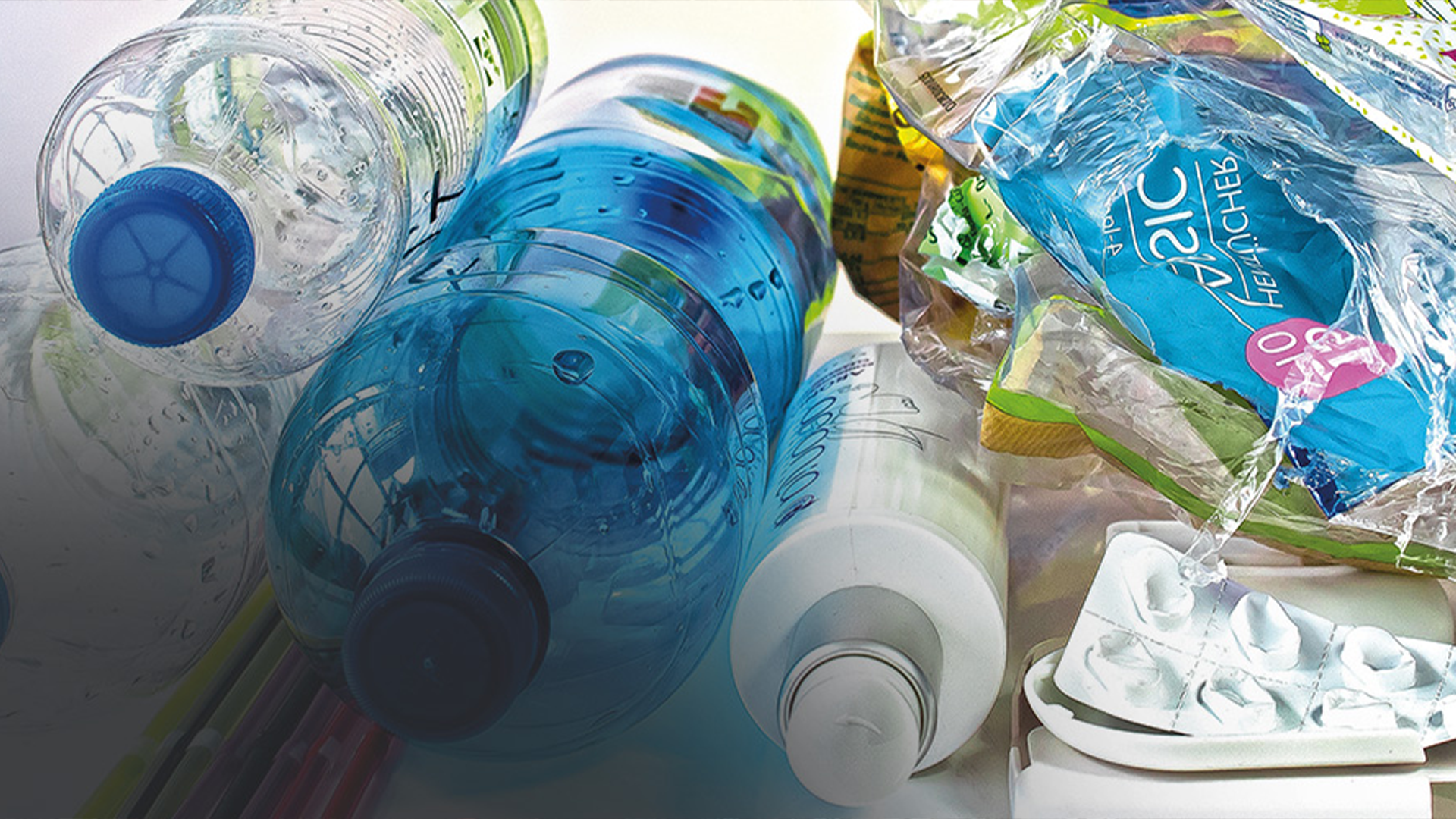
Plastik hat sich in den vergangenen Jahrzehnten in unserer Umgebung stark ausgebreitet. So stark, dass wir es mit der Nahrung aufnehmen und es sich bereits im Urin von Kindergartenkindern nachweisen lässt.
Wie sich die Werte des Körpers verändern, wenn man gezielt in Plastik verpackte Nahrung zu sich nimmt, sich mit plastikhaltigen Körperpflegeprodukten eincremt und Polyesterkleidung trägt, das zeigt Jenke von Wilmersdorff im Jenke-Experiment.
Zahlreiche Arbeitsblätter und interaktive Aufgaben machen den aus dem Fernsehen bekannten, aufwändig produzierten Film direkt für den Unterricht verwendbar. Die Schülerinnen und Schüler erhalten wertvolle Denkanstöße, wie der Plastikkonsum eingeschränkt werden kann.
Die interaktiven Aufgaben, das Glossar und die Testaufgaben wurden mit H5P erstellt und können ohne weitere Software verwendet werden.
- <> Sprachen: DE
- <> Zielgruppen: Sek I
- <> Fach: Gesellschaft
- <> Spieldauer: 1:29:06 min
Lizenzen
Lehrplanzentral und an den Bildungsstandards orientiert
Passend dazu

Copyright
Copyright is subject to constant change to keep up with technological advances. This film enables the viewer to grasp the basic principles of this extremely intricate matter. By way of introduction, the film defines what an author is, what kinds of works there are and how long a work is protected on principle. Then the fundamental rights of an author are cited and it is shown how these are exploited in our times. In the third chapter, the respective rights are illustrated by way of practice-oriented examples of books, photos, music and films. Here, of course, an emphasis is laid on the field of education, taking into account the latest case law within the EU and Austria in particular. A further chapter highlights the problems arising with the Internet and goes into the citation law and pirate copies. All in all, in this way the viewer is made familiar with the most important basic terms and their meanings. Comprehensive worksheets and additional accompanying material invite us to deepen our knowledge of the subject.
Pupils Practise Inclusion
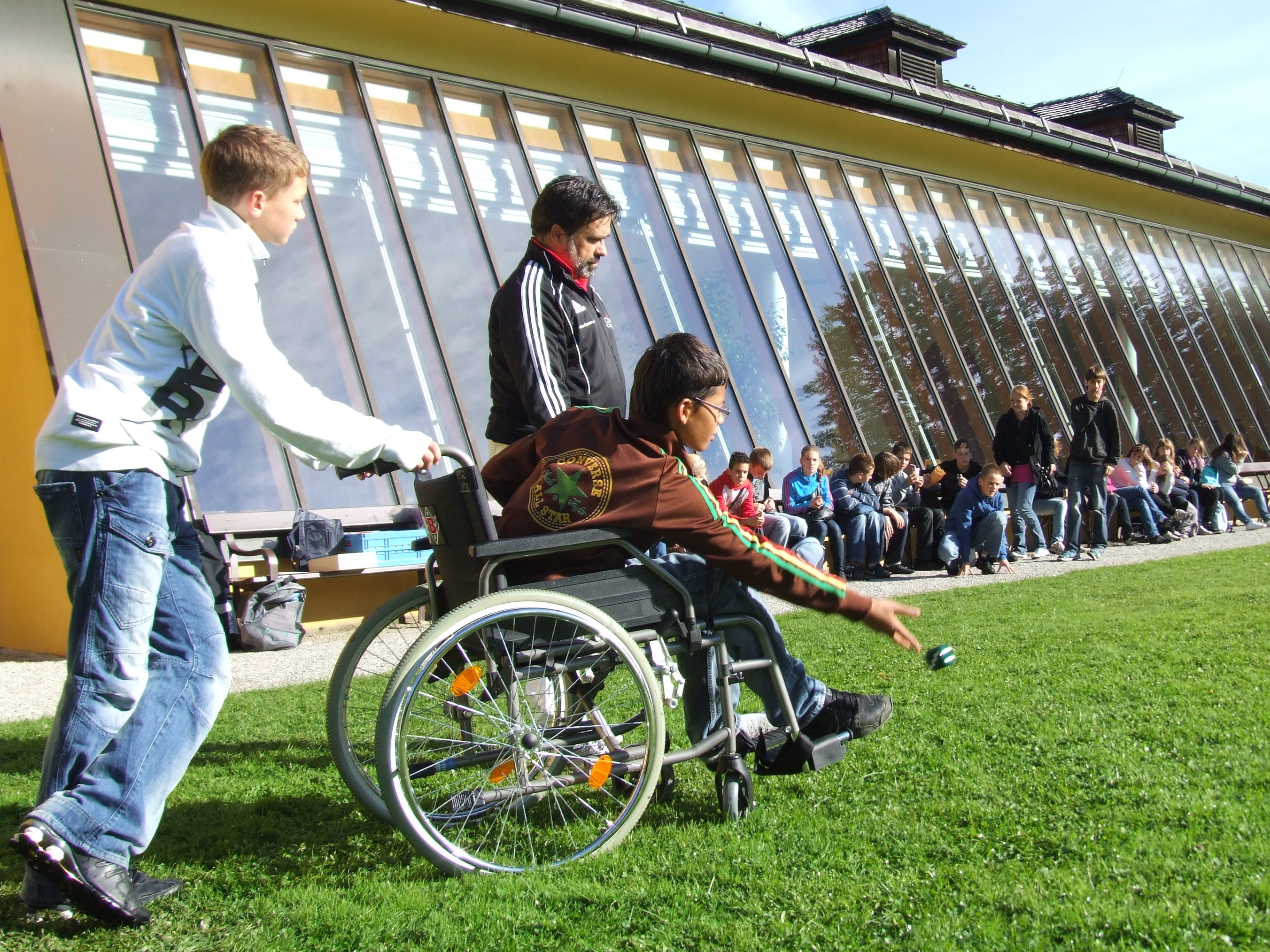
When people come together, no matter under what concomitant circumstances – ultimately, it is about how these people meet and how openly they interact with one another.
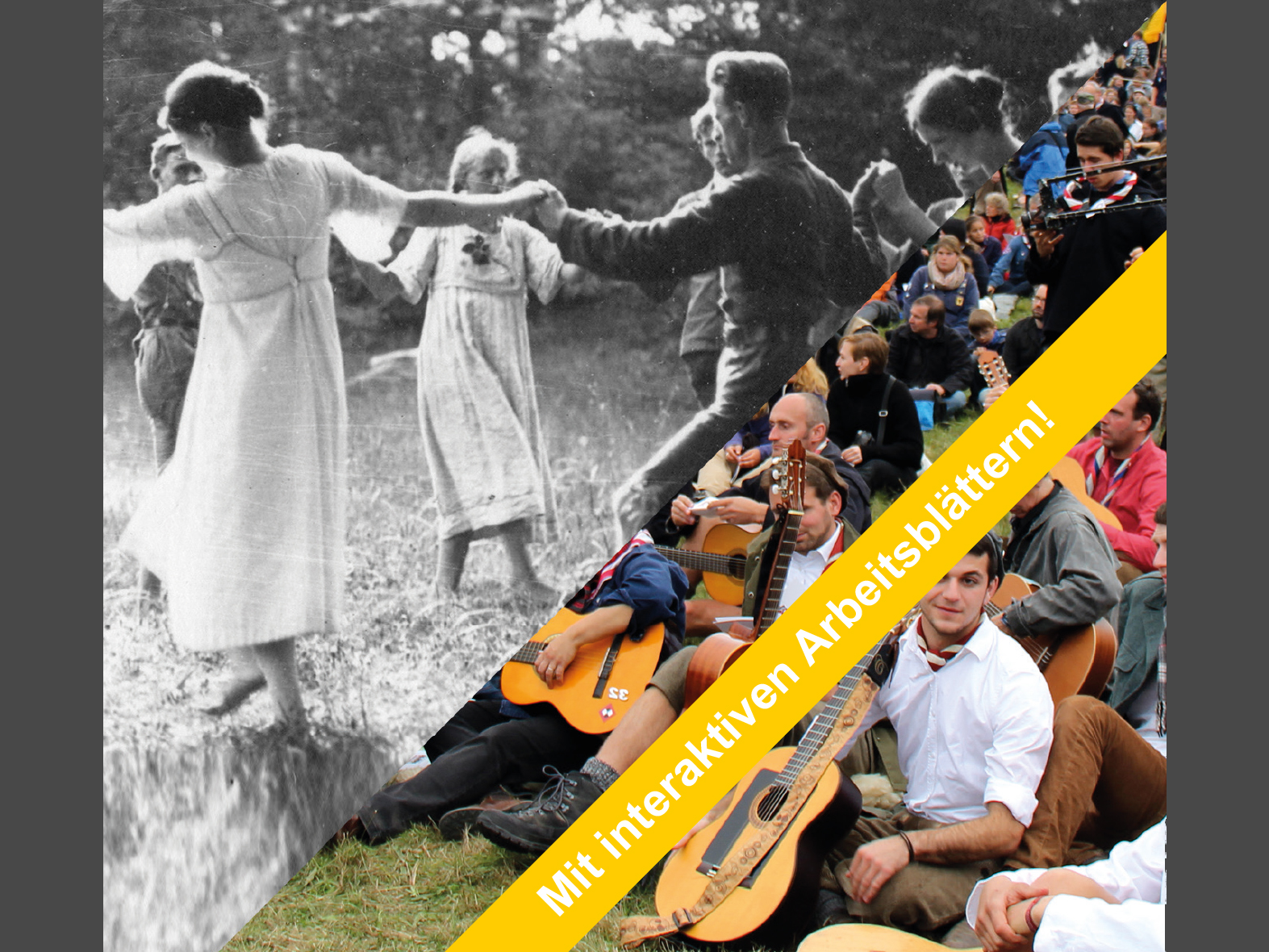
Youth Movement
Dancing until your feet hurt: Here, at the meeting on the Hoher Meissner near Kassel, 3,500 participants from Boy Scout associations, youth and Wandervogel groups from all over the German-speaking region have gathered. They want to celebrate, simply get to know each other and commemorate a historic anniversary.
