







 Gesellschaft


4673627 / 5562324
Der Tod gehört zum Leben
Umgang mit dem Sterben
Es gibt wohl kaum einen Aspekt unseres Lebens, der ähnlich eng mit ihm verknüpft ist, den wir aber dennoch gerne so weit wie möglich von uns weisen: den Tod.
Die Konfrontation mit der eigenen Sterblichkeit – oder der von Menschen, die uns nahestehen – wird häufig als unangenehm empfunden. Und doch müssen wir uns ihr stellen, früher oder später.
Der Journalist und Schauspieler Jenke von Wilmsdorff besucht zu diesem Zweck die Bewohner eines Hospiz, um mit ihnen und den Angehörigen über ihren Umgang mit dem Thema Tod zu sprechen. Er erfährt etwas über deren früheres Leben sowie über den Leidensweg, der sie schließlich dazu bewegt hat, sich dem Hospiz anzuvertrauen. Wichtig ist den Betroffenen dabei nicht so sehr die bloße Anzahl ihrer verbliebenen Tage, sondern sie tragen den Wunsch, die restliche Zeit lebenswert zu verbringen und mit Würde aus dem Leben zu scheiden.
Des Weiteren besucht Jenke Menschen, die dem Tod gerade so entkommen sind, also eine sogenannte Nahtoderfahrung erlebt haben.
Gemeinsam mit dem umfangreichen Unterrichtsmaterial (klassische und interaktive Arbeitsblätter, Testaufgaben, Lehrtexte etc.) ist der Film sehr gut für den Einsatz im Unterricht geeignet.
Trailer abspielen
- <> Sprachen : DE
- <> Zielgruppen : Sek I, Sek II
- <> Fach : Gesellschaft
- <> Spieldauer : 51:59 min
Lizenzen

Lehrplanzentral und an den Bildungsstandards orientiert
Passend dazu


Racism
Do you perhaps know that?
Inclusion
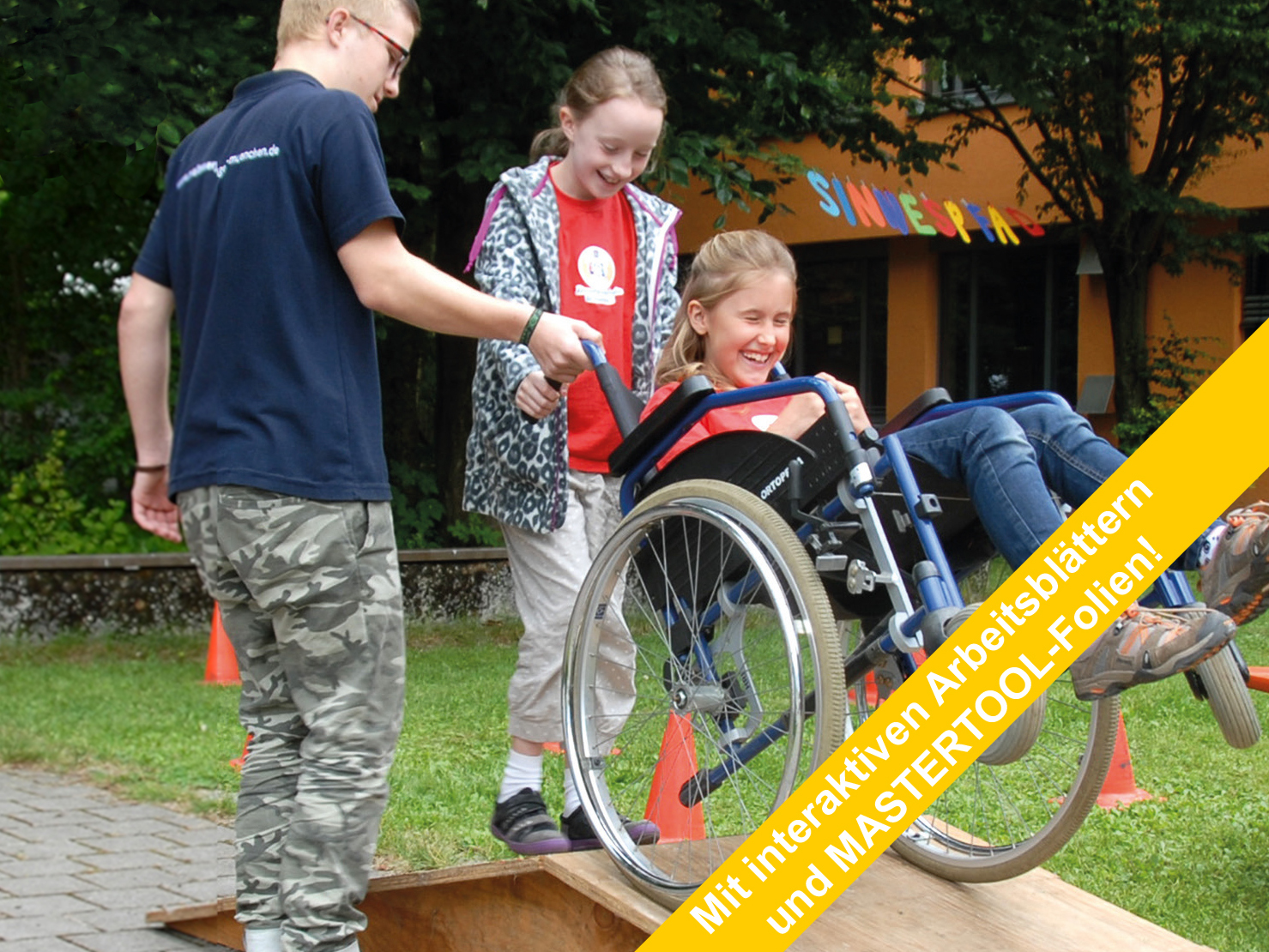
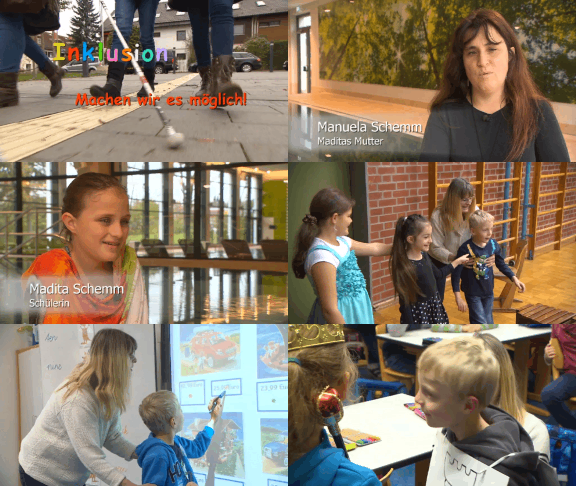
Madita is eleven and blind. She does not want to go to a special school but to a regular grammar school. She says she feels "normal" there. Jonathan is eight and has a walking disability. He likes going to the school where he lives. Here, his best friend sits next to him. Max Dimpflmeier, a teacher who is severely deaf, explains that school life is not easy. Quote Max Dimpflmeier: "You don't want to attract attention, you want to avoid saying that it is necessary for you that 70 people adjust to your situation." People on their way to inclusion.


Internet Addiction
The film consists of two parts. The first part is the 15-minute short film “In the Net”. It describes the problem of excessive Internet use in a humorous way, in particular the risk of losing touch with reality when chatting. The second part illustrates with three real persons how Internet addiction can develop and the problems encountered by those who are afflicted. The authentic statements are commented by an experienced therapist. For many pupils, the issues addressed here are related to their everyday lives. What is a “sensible” use of the Internet, where does pathological addiction start? In contrast to addiction to alcohol, nicotine or drugs, the public seems to be largely ignorant of the problem of this addiction, which is not related to any substance abuse. The film provides material for discussion in the classroom (crossdisciplinary) and can be used as a basis for the formulation of prevention strategies.
