







 Grundschule

4668254 / 5559745
Schokolade
Herstellung süßer Träume
Schokolade – die süße Versuchung. Kaum einer, der dieser zart schmelzenden Köstlichkeit widerstehen kann. Knapp neun Kilo des leckeren kakaohaltigen Genussmittels gönnte sich der Deutsche 2005 im Durchschnitt. Das liegt nicht nur am guten Geschmack: Schokolade hat auch eine besondere Wirkung auf Körper und Geist. Einige ihrer Inhaltsstoffe sind zum Beispiel gut gegen Bluthochdruck oder Depressionen. „Schau dich schlau!“ erklärt, wie Schokolade genau wirkt. Ihren Ursprung hat Schokolade in Südamerika, genossen wurde sie dort als die Sinne erregendes Getränk. Bis zum heutigen Tag werden in Äquatorländern Kakaofrüchte per Hand geerntet, indem sie mit Macheten von den bis zu 15 Meter hohen Bäumen geschlagen werden. Mit den spanischen Eroberern kam der Kakao nach Europa, doch erst im Jahre 1848 gab es Schokolade in Form fester Tafeln. Heute reicht die gute alte Milchschokolade nicht mehr aus – immer ungewöhnlichere Kreationen kommen auf den Markt, darunter gewagte Kombinationen mit Paprika, Sellerie oder sogar Bergkäse. „Schau dich schlau!“ zeigt den Weg der Kakaobohne von der Plantage bis in die Schokoladentafel. Außerdem haben sich Joey Grit Winkler und Fero Andersen auf der Internationalen Süßwarenmesse (ISM) in Köln umgeschaut und zeigen die neuesten Trends und die skurrilsten Zutaten!
Trailer abspielen
Lehrplanzentral und an den Bildungsstandards orientiert
Passend dazu
The Daily Newspaper
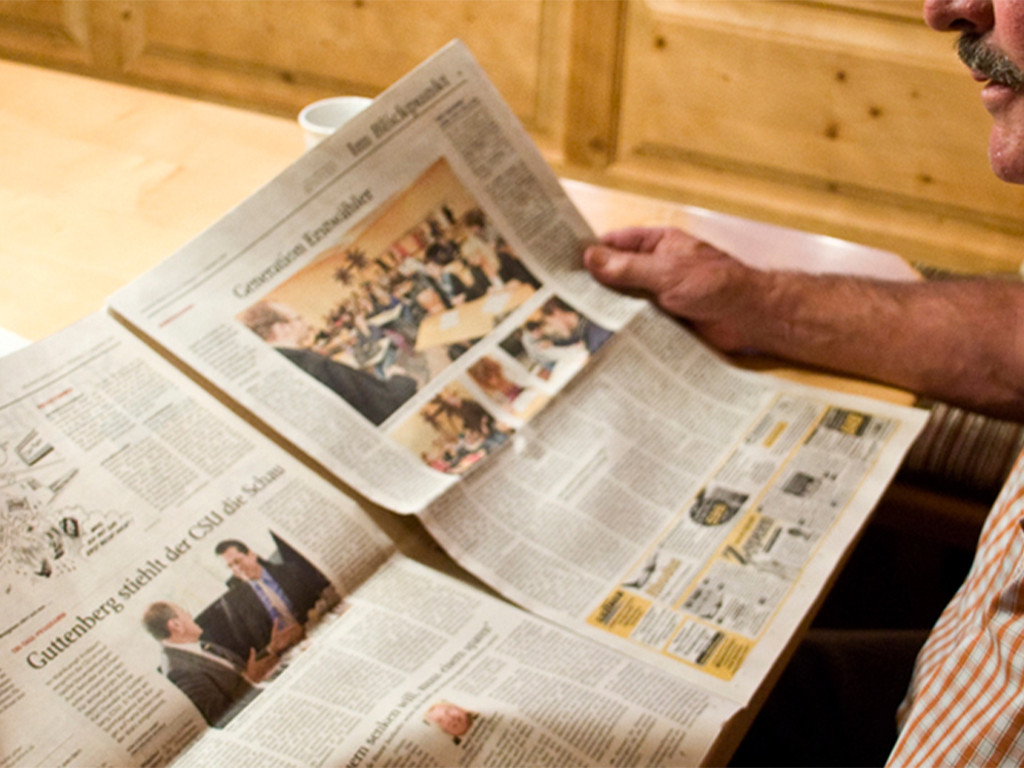
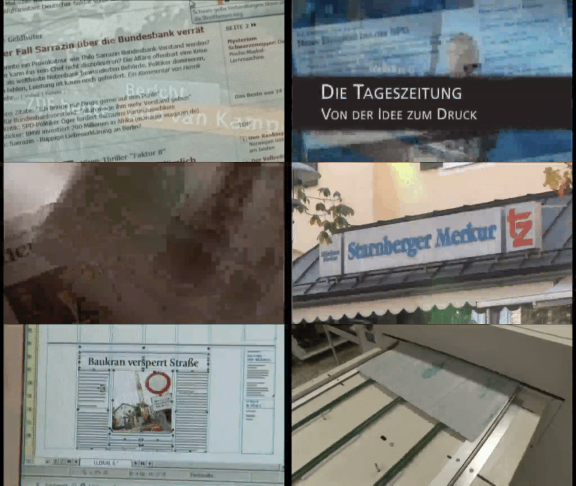
Every day, there is a surge of news reaching us via different news channels. In spite of TV and Internet, the daily paper still is one of the most important main sources of news. But how is a newspaper created? The film shows the production of a paper in the course of one day. Starting with the editorial meeting in the morning, in which the topics and deadlines are determined, the film accompanies a journalist during her research work. You can see how a journalistic interview is conducted and what the photographer must consider when taking a press photo. Back in the editorial office, the editor’s work is illustrated, which includes the page layout and the writing of an online article in today’s time. Impressive pictures from the printing centre depict the process from the digital page to the finished newspaper. Together with the comprehensive accompanying material, the DVD is perfectly suited for use at school
Ceramic
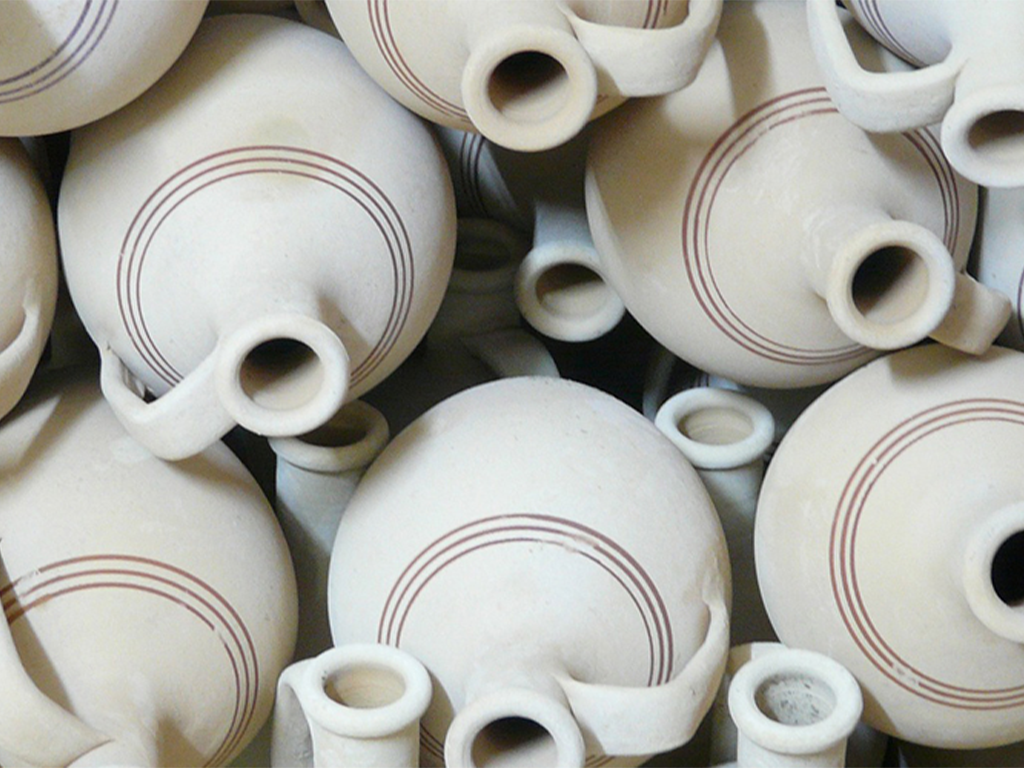
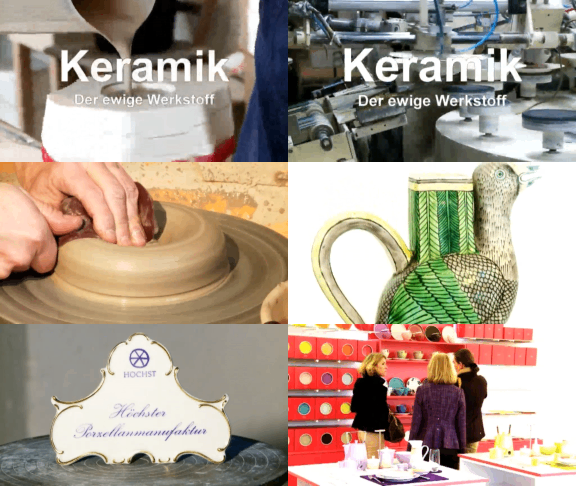
Ceramics are indispensable in our everyday lives. We eat from ceramic plates, drink from ceramic cups, use tiled ceramic bathrooms. But how is ceramic manufactured? The film reveals the secrets of this fascinating material! We get to know more about the beginnings of ceramic in the Old World of Egypt and Mesopotamia, about Greece, China and Rome. We gain interesting insights into the valuable earthenware and are also shown the exquisite further development of the "white gold". Today this versatile material is irreplaceable in industry, too. Whether in space or as an easily compatible substitute in medicine, ceramic is applied in many places.
Inclusion
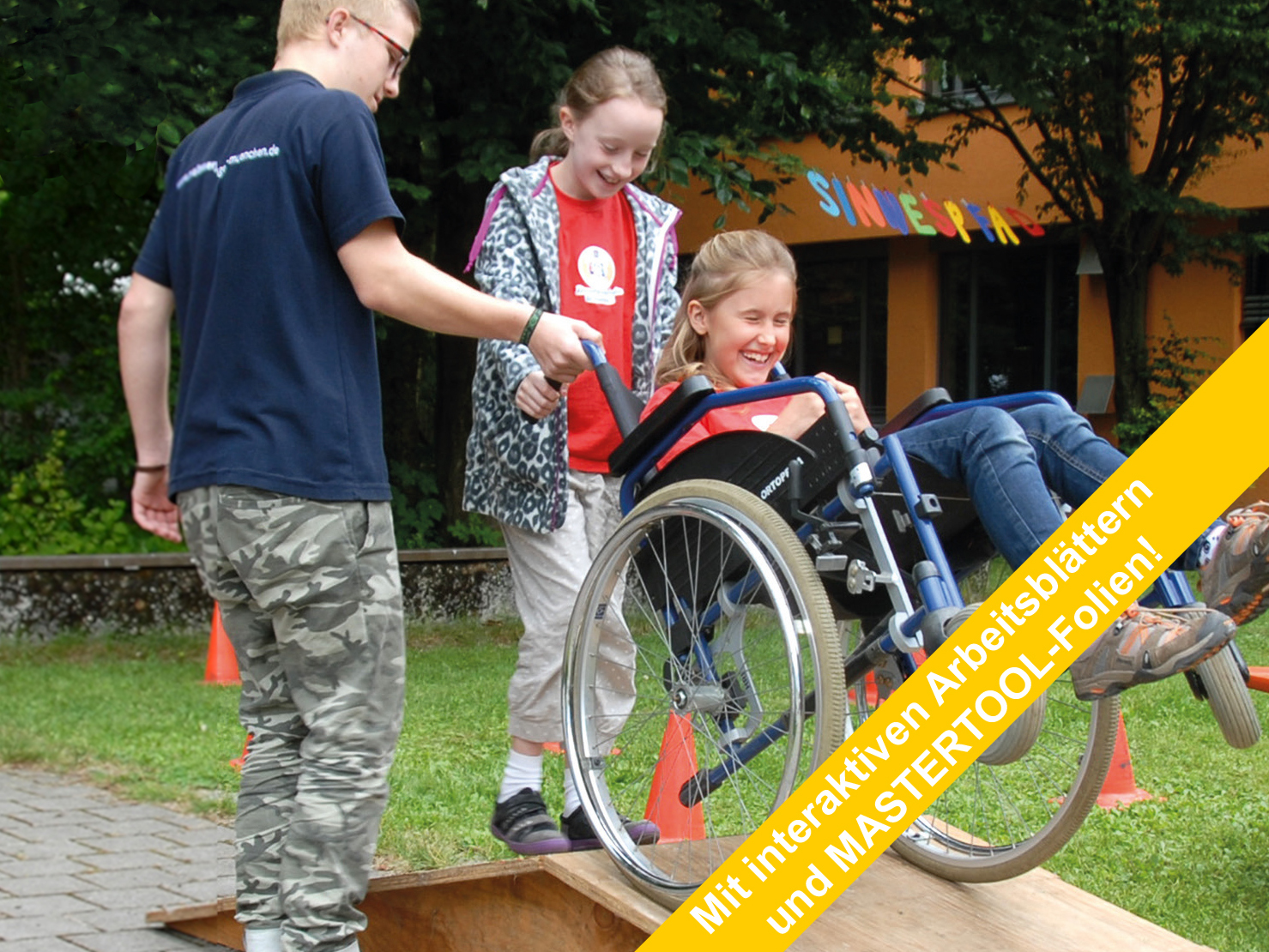
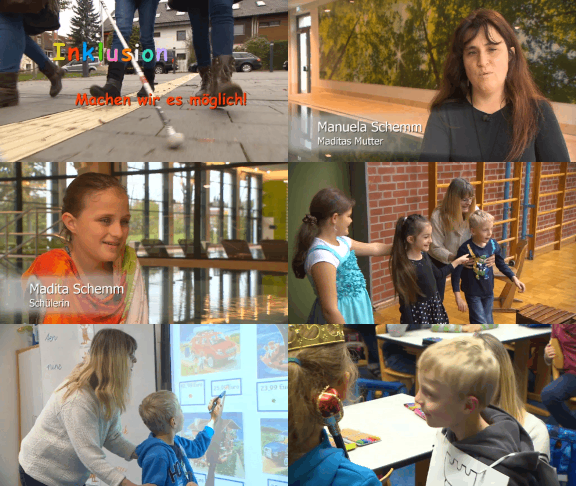
Madita is eleven and blind. She does not want to go to a special school but to a regular grammar school. She says she feels "normal" there. Jonathan is eight and has a walking disability. He likes going to the school where he lives. Here, his best friend sits next to him. Max Dimpflmeier, a teacher who is severely deaf, explains that school life is not easy. Quote Max Dimpflmeier: "You don't want to attract attention, you want to avoid saying that it is necessary for you that 70 people adjust to your situation." People on their way to inclusion.
