





Elementarbereich
46505687 / 55507576
Tiere auf dem Bauernhof
Kuh, Ziege, Schaf, Schwein
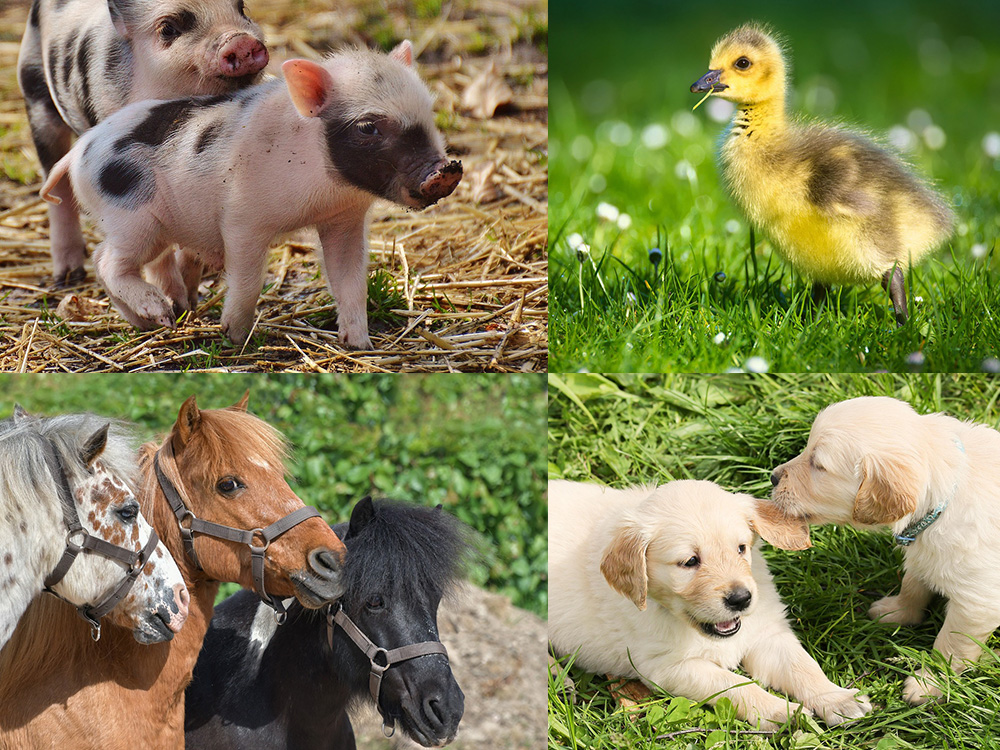
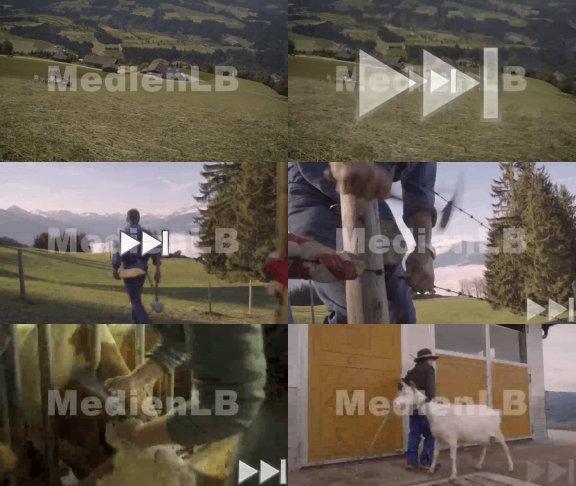
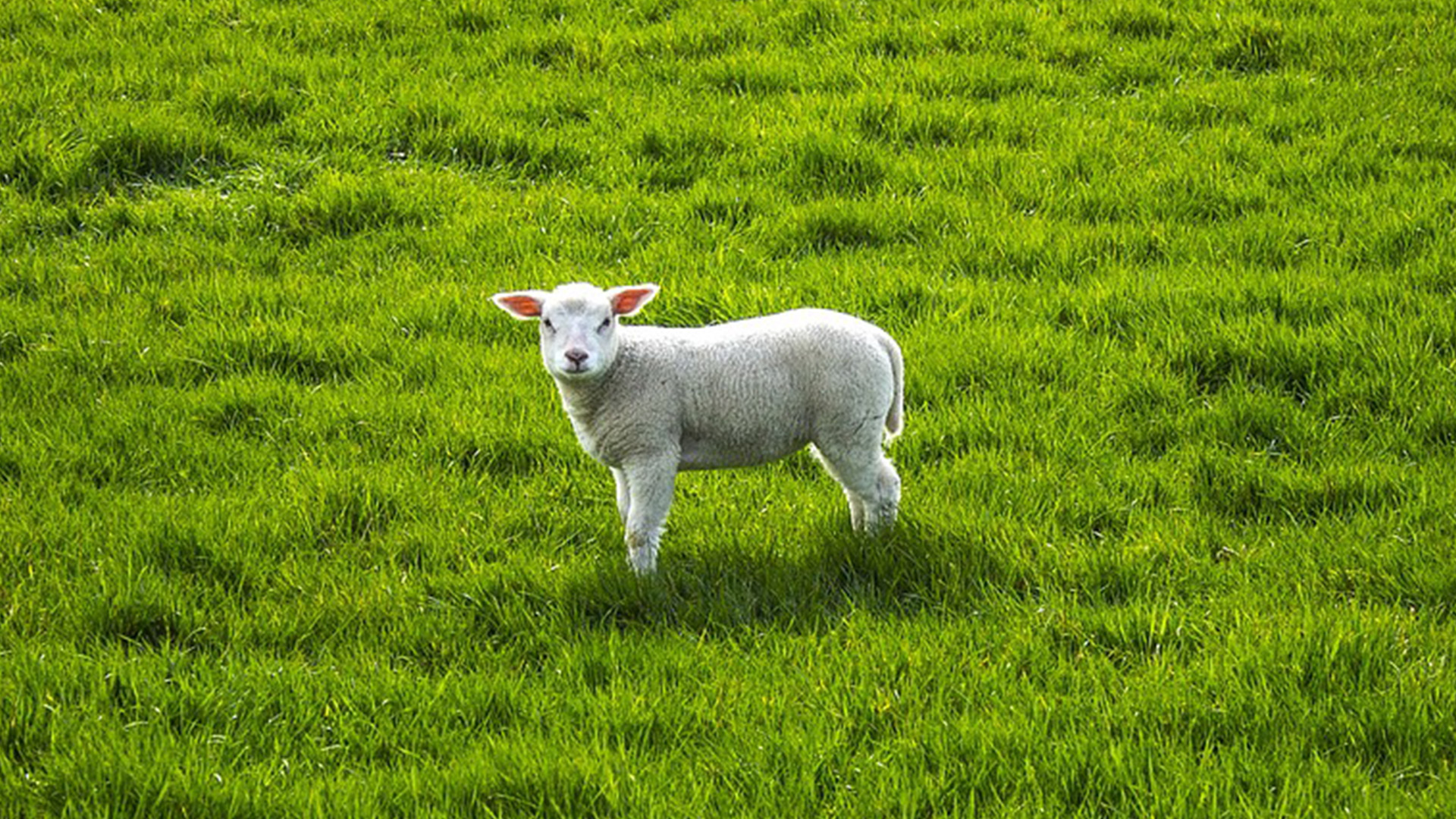
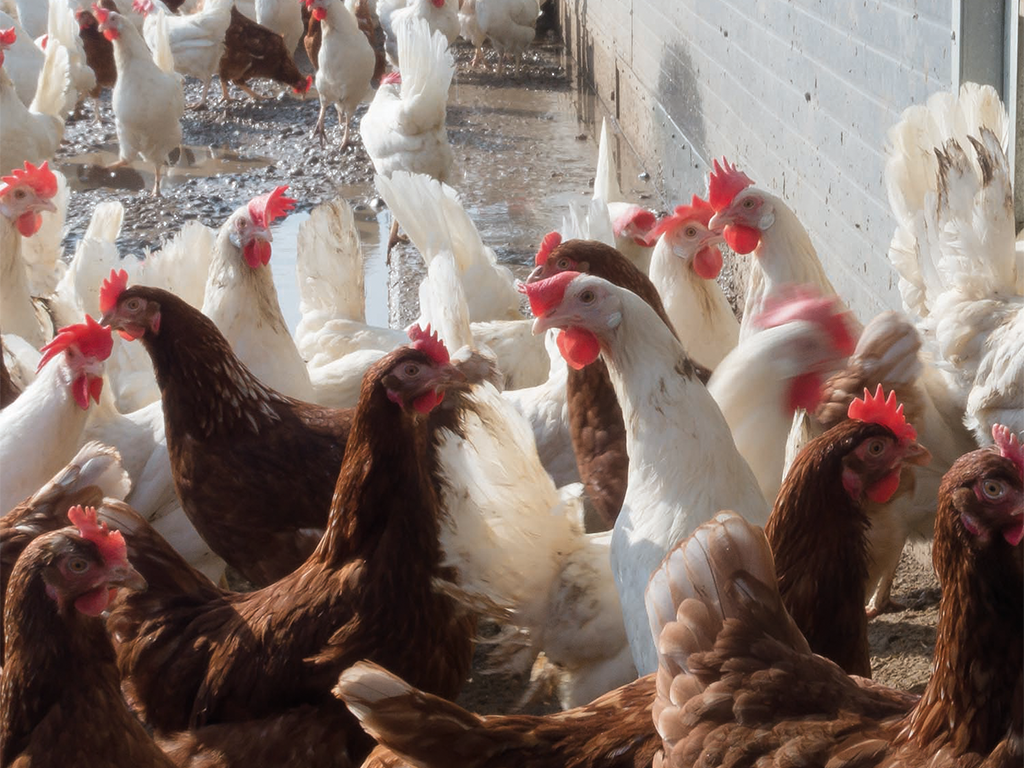
In einem Film über Tiere auf dem Bauernhof können Kindergartenkinder lernen, wie Kühe, Ziegen, Schweine und Schafe leben und welche Geräusche sie machen. Sie erfahren, was diese Tiere fressen, wie sie gepflegt werden und welche Produkte wir von ihnen bekommen, wie Milch, Wolle und Fleisch. Der Film zeigt auch die Bedeutung der Tiere für das Leben auf dem Bauernhof und fördert das Verständnis für Natur und Landwirtschaft.
Trailer abspielen
Lehrplanzentral und an den Bildungsstandards orientiert
Passend dazu
Bauernhof
Die Landwirtschaft ist die Quelle unserer Nahrung. Fleisch, Gemüse und Milch werden in landwirtschaftlichen Betrieben produziert.
Inclusion
Madita is eleven and blind. She does not want to go to a special school but to a regular grammar school. She says she feels "normal" there. Jonathan is eight and has a walking disability. He likes going to the school where he lives. Here, his best friend sits next to him. Max Dimpflmeier, a teacher who is severely deaf, explains that school life is not easy. Quote Max Dimpflmeier: "You don't want to attract attention, you want to avoid saying that it is necessary for you that 70 people adjust to your situation." People on their way to inclusion.
Peer Mediation
Lena and Max attend the 7th form. Max is new in class. During a break, Max notices that Lena and her friend are laughing at him again. Max loses his temper! He slaps Lena in the face. That hurts and Lena runs back into the classroom with a red cheek. The growing conflict between the two has escalated. Just like Lena and Max, every day pupils all over Germany have rows with each other. At the Heinrich Hertz Gymnasium in Thuringia, pupils have been trained as mediators for years. At set hours, they are in a room made available by the school specifically for mediation purposes. The film describes the growing conflict between Max and Lena and shows a mediation using their example. In doing so, the terms “conflict” and “peer mediation” are explained in a non-technical way. The aims of peer mediation and its progress in five steps as well as the mediators’ tasks are illustrated. The art of asking questions and “mirroring”, which the mediators must know, is described and explained. Together with the comprehensive accompanying material, the DVD is a suitable medium to introduce peer mediation at your school, too.