







 Religion


4679029 / 5565790
Taufe
Aufnahme in die christliche Gemeinschaft
Die Taufe stellt die Aufnahme in die christliche Gemeinschaft dar.
Das äußerlich sichtbare Element ist das Wasser, das Symbol des Lebens.
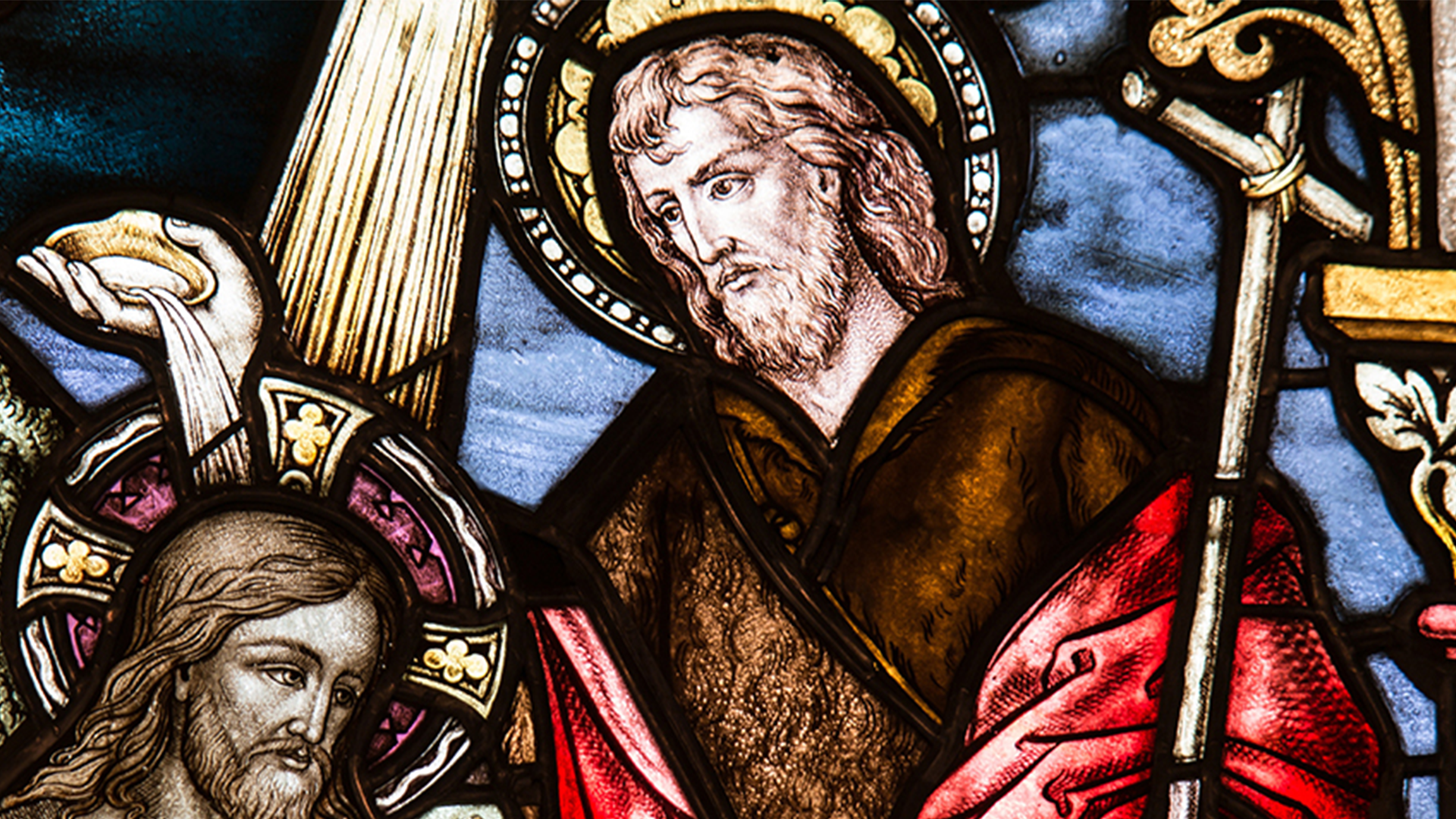
Der Film erklärt den Ursprung der Taufe und geht ausführlich auf Johannes den Täufer ein, der Jesus Christus im Jordan getauft hat.
Wie ein Taufgottesdienst abläuft, was es mit der Taufkerze auf sich hat, welche Rolle die Taufpaten spielen, das wird anschaulich dargestellt.
Ein besonderes Mittel zur Gestaltung entweder von Taufgesprächen oder auch von Taufgottesdiensten ist der Taufbeutel, der in einem ausführlichen Interview in seinen vielfältigen Anwendungsmöglichkeiten vorgestellt wird.
In Verbindung mit dem umfangreichen Zusatzmaterial (Arbeitsblätter, interaktive Aufgaben, Testfragen, Glossar) lässt sich die vorliegende DVD hervorragend im Unterricht einsetzen.
Ganz neu ist der Einsatz von interaktiven Aufgaben und Videos, die den Lernerfolg und –spaß deutlich erhöhen.
Trailer abspielen
- <> Sprachen : DE
- <> Zielgruppen : Sek I
- <> Fach : Religion
- <> Spieldauer : 13:42 min
- In Lehrmediathek ansehen
Lizenzen
Lehrplanzentral und an den Bildungsstandards orientiert
Passend dazu

Racism
Do you perhaps know that?
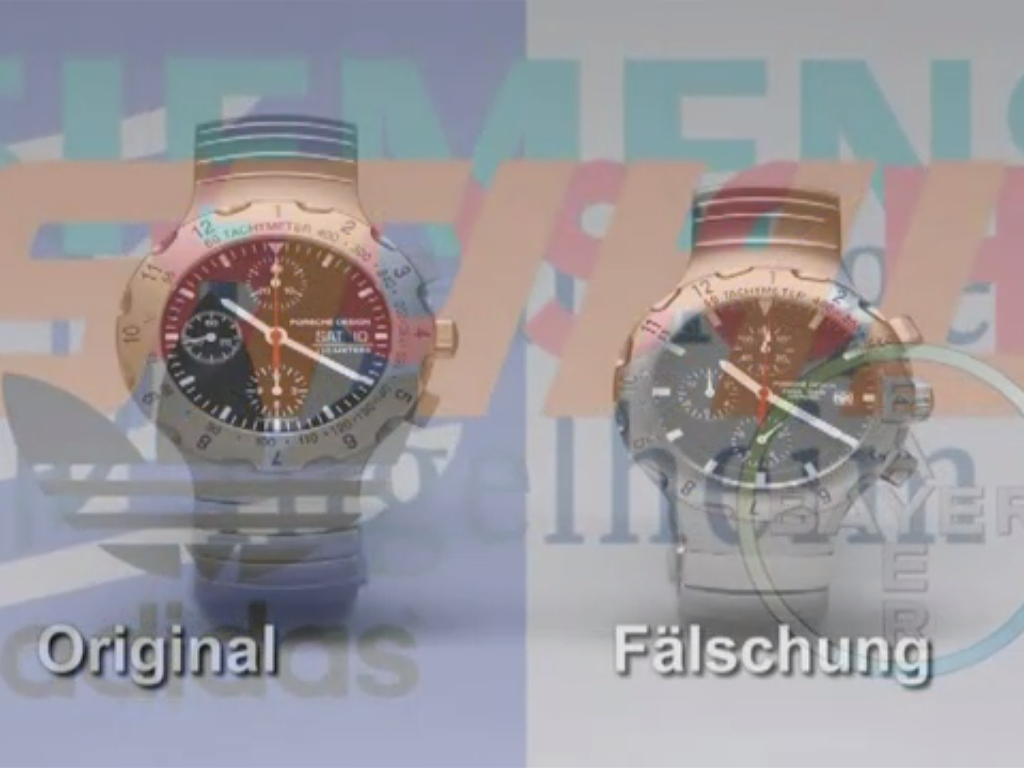
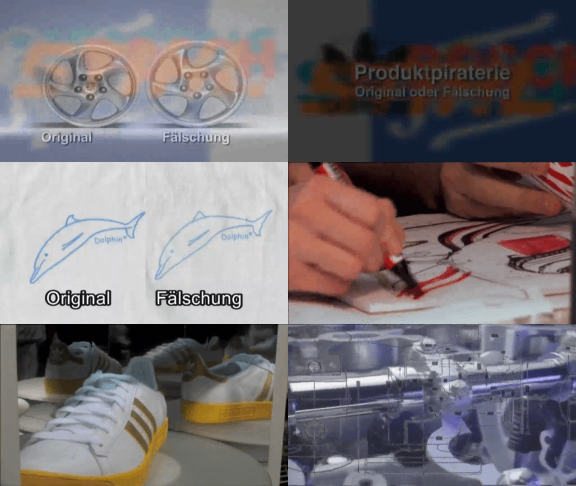
Product Piracy
Counterfeiting takes place in almost all economic sectors – textiles, watches, car parts, machine parts, tools, accessories, software and medicines. Some counterfeits are easy to recognise, others are so well-executed that even experts have difficulty distinguishing between original and imitation. This DVD covers the development of a product from idea to manufacture. Once a product has become a trademark, product pirates appear on the scene.
Inclusion
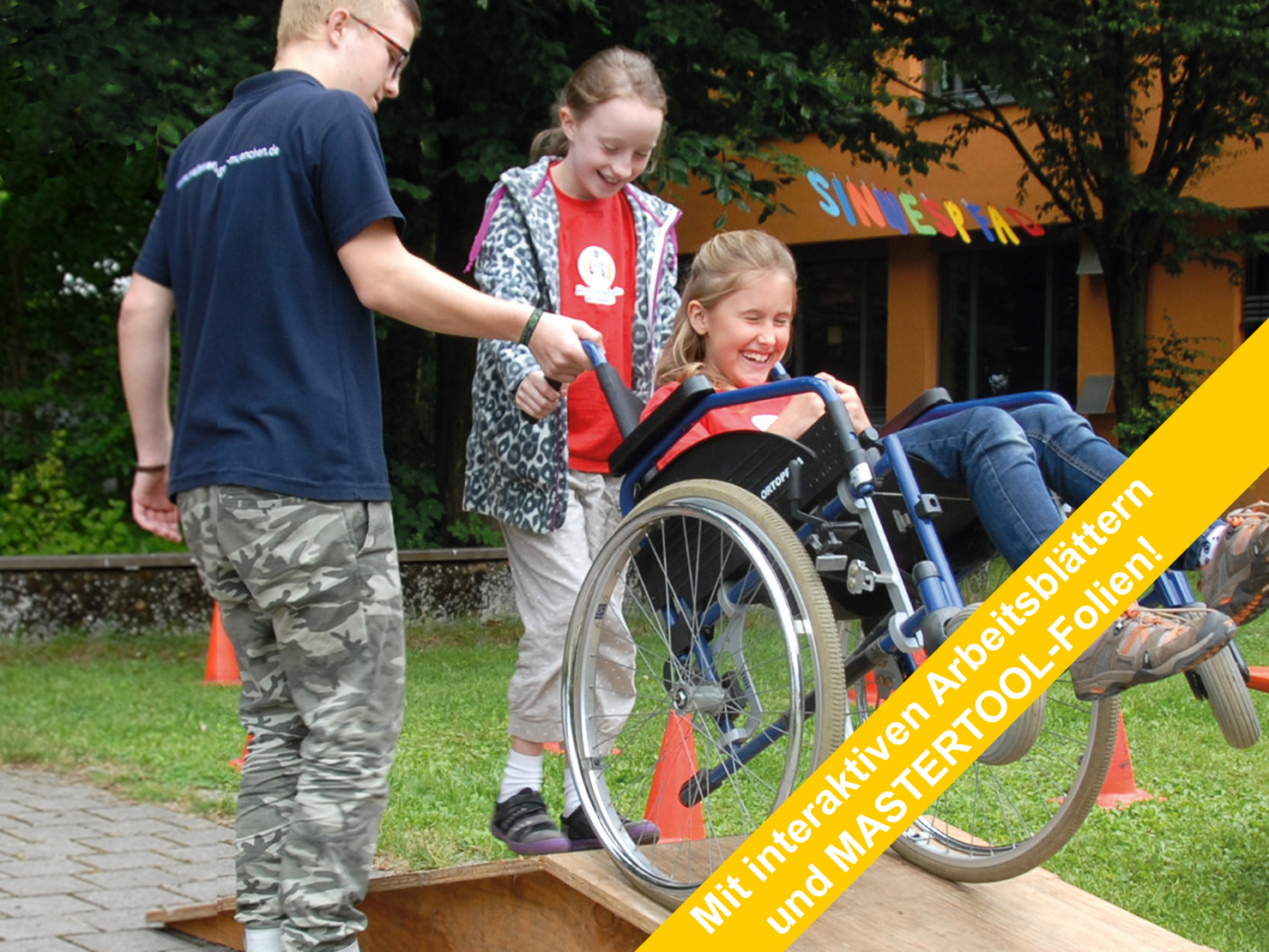
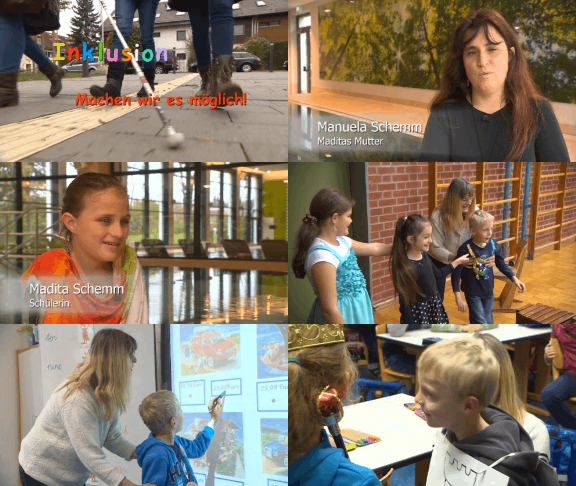
Madita is eleven and blind. She does not want to go to a special school but to a regular grammar school. She says she feels "normal" there. Jonathan is eight and has a walking disability. He likes going to the school where he lives. Here, his best friend sits next to him. Max Dimpflmeier, a teacher who is severely deaf, explains that school life is not easy. Quote Max Dimpflmeier: "You don't want to attract attention, you want to avoid saying that it is necessary for you that 70 people adjust to your situation." People on their way to inclusion.
