






Kunst

46500917 / 55500673
Romanik
Kunst und Architektur
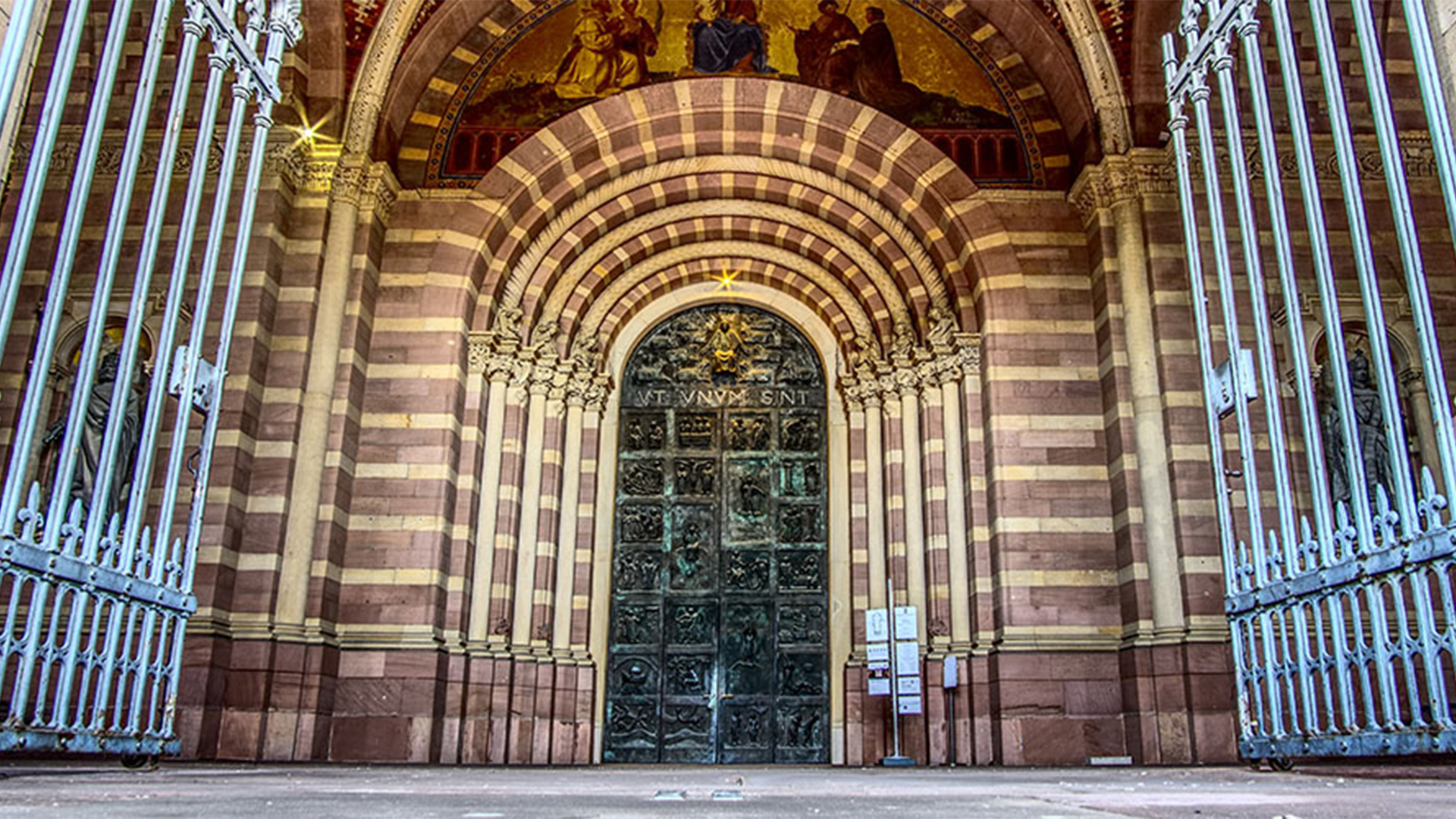
Die Romanik, die im 8. Jahrhundert begann, war die erste Kunstepoche, die europaweit zu finden ist.
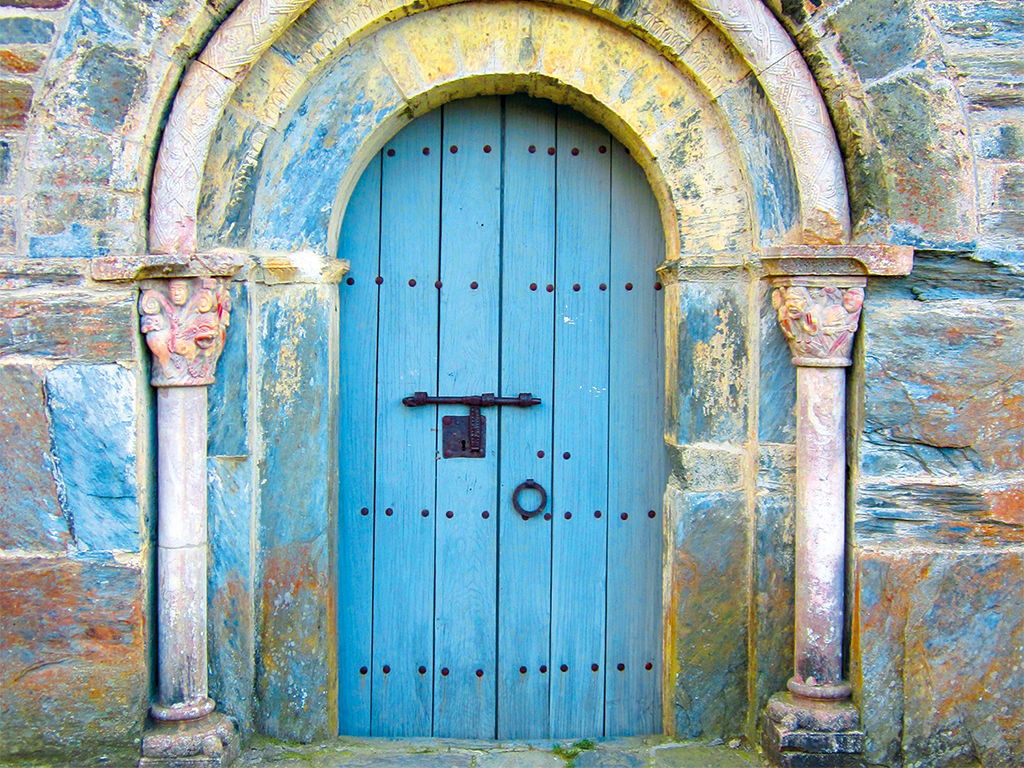
Ihren Namen hat sie durch die Übernahme der römischen Rundbögen, charakteristisch sind in der Architektur außerdem die gedrungenen Wände und die massiven Säulen und Pfeiler.
Woran man ein romanisches Gebäude erkennt, woran eine romanische Buchmalerei, welche Kraft die Wandmalereien entfalteten, diesen Fragen geht der Film unterhaltsam und anschaulich nach.
In Verbindung mit dem Zusatzmaterial (Arbeitsblätter, interaktive Aufgaben, Glossar, Testfragen) lässt sich das Medium hervorragend im Unterricht verwenden.
Die interaktiven Aufgaben wurden mit H5P erstellt und sind ohne weitere Software verwendbar.
Lehrplanzentral und an den Bildungsstandards orientiert
Passend dazu

Copyright
Copyright is subject to constant change to keep up with technological advances. This film enables the viewer to grasp the basic principles of this extremely intricate matter. By way of introduction, the film defines what an author is, what kinds of works there are and how long a work is protected on principle. Then the fundamental rights of an author are cited and it is shown how these are exploited in our times. In the third chapter, the respective rights are illustrated by way of practice-oriented examples of books, photos, music and films. Here, of course, an emphasis is laid on the field of education, taking into account the latest case law within the EU and Austria in particular. A further chapter highlights the problems arising with the Internet and goes into the citation law and pirate copies. All in all, in this way the viewer is made familiar with the most important basic terms and their meanings. Comprehensive worksheets and additional accompanying material invite us to deepen our knowledge of the subject.
Peer Mediation
Lena and Max attend the 7th form. Max is new in class. During a break, Max notices that Lena and her friend are laughing at him again. Max loses his temper! He slaps Lena in the face. That hurts and Lena runs back into the classroom with a red cheek. The growing conflict between the two has escalated. Just like Lena and Max, every day pupils all over Germany have rows with each other. At the Heinrich Hertz Gymnasium in Thuringia, pupils have been trained as mediators for years. At set hours, they are in a room made available by the school specifically for mediation purposes. The film describes the growing conflict between Max and Lena and shows a mediation using their example. In doing so, the terms “conflict” and “peer mediation” are explained in a non-technical way. The aims of peer mediation and its progress in five steps as well as the mediators’ tasks are illustrated. The art of asking questions and “mirroring”, which the mediators must know, is described and explained. Together with the comprehensive accompanying material, the DVD is a suitable medium to introduce peer mediation at your school, too.
Computer Games
This film covers the topic of computer games in a variety of ways and from many different angles. Apart from the fascina- tion of computer games for users, the historical development as well as the production of computer games are described. The established genres are introduced, the guidelines of the German BPjM are explained. In light of recent public discussions, a neutral overview of the pros and cons of playing computer games is given, and different kinds of player behaviour are outlined. In this film, the pupils will recognise many aspects of their favourite pastime that encourage an independent, constructive use of this medium and reinforce their media competency. The film and teaching material are very closely related to the real-life situation.