







 Biologie, Grundschule
4670852 / 5560958
Milch und Käse
Gewinnung und Zubereitung
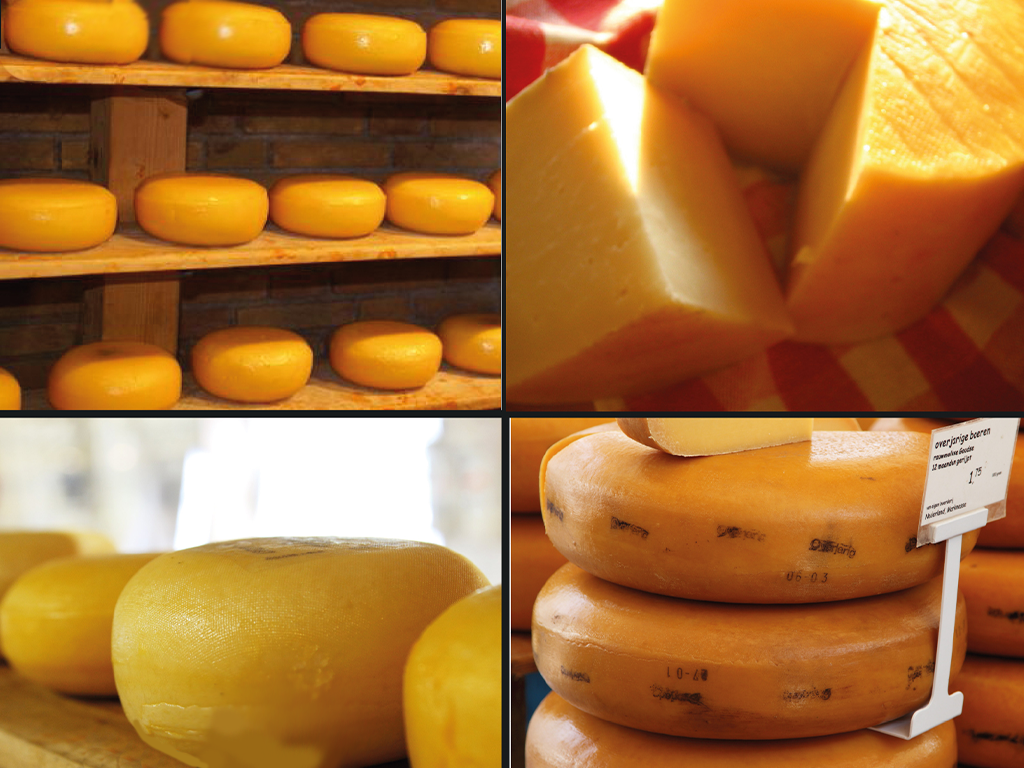
Seit Jahrtausenden wird aus geronnener Milch eines der schmackhaftesten und vielfältigsten Grundnahrungsmittel hergestellt: Käse. Alle Varianten und Sorten aufzuzählen, die es allein in Europa gibt, ist eine nahezu unlösbare Aufgabe. Am berühmtesten sind die gelben Laibe aus der Schweiz und Frankreich. Aber auch Deutschland braucht sich in der Käse-Frage nicht hinter seinen beiden Nachbarn zu verstecken. Für „Schau dich schlau!“ begeben sich Joey Grit Winkler und Fero Andersen auf die Reise ins Käse-Universum. Während Joey alle offenen Fragen rund ums Thema klärt, beschäftigt sich Fero mit praktischen Dingen – der Käseherstellung!
Um Käse zu machen, benötigt man vor allen Dinge eines in rauen Mengen: Milch! Egal, ob von der Kuh oder der Ziege, vom Schaf oder vom Büffel, alle genannten Milchsorten lassen sich zu Käse verarbeiten. Danach beginnt für die meisten Käse der Reifeprozess. Und für ausgesuchte Sorten gilt außerdem: Je länger der Laib lagert und reift, desto schmackhafter und auch teurer wird der Käse. „Schau dich schlau!“-Reporter Fero Andersen hat eine Molkerei besucht und erklärt den Produktionsvorgang. Seine Kollegin Joey Grit Winkler klärt währenddessen die interessantesten Fragen rund ums Thema. Wie gesund ist Käse? Welche Auswirkungen kann Käse auf den menschlichen Körper haben?
Außerdem informiert „Schau dich schlau!“ über Laktoseintoleranz und wie man am besten mit dieser Milchzuckerunverträglichkeit umgeht. Während das Problem in Europa nur die Ausnahme darstellt, steht in China Käse genau aus diesem Grund fast gar nicht auf dem Speiseplan. Aber nicht nur China ist davon betroffen, mehr als drei Viertel der Bevölkerung Südostasiens leiden an Laktoseintoleranz. Wo kommt diese Unverträglichkeit her? Und warum sind Europäer und Amerikaner seltener davon betroffen als Asiaten oder Afrikaner?
Lehrplanzentral und an den Bildungsstandards orientiert
Passend dazu


Entwicklung der Frauenrechte
Männer und Frauen sind gleichberechtigt. Dass dieser Satz im Grundgesetz steht, ist das Ergebnis eines langen Kampfes der Frauen um gleiche Rechte.

Saisonal und gesund kochen
Selber kochen macht Spaß und mit saisonalen und regionalen Zutaten tut man auch etwas für die CO2-Bilanz.