







 Politik / Sozialkunde
4674150 / 5562626
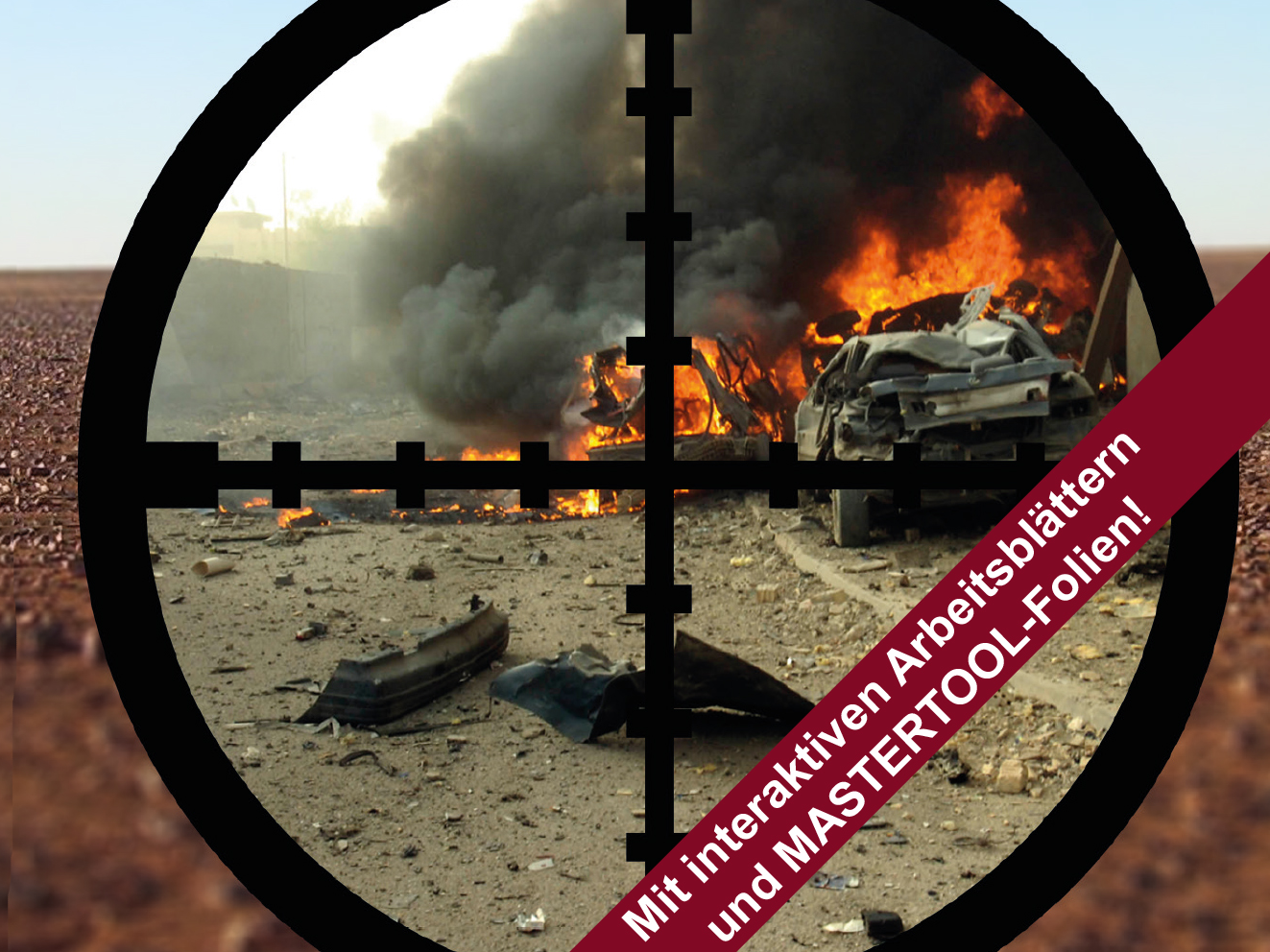
Internationaler Terrorismus
Eine reale und aktuelle Gefahr
„Wo warst du am 11. September 2001?“ Eine Frage, wie sie die meisten Erwachsenen von uns ohne Zögern beantworten könnten, die jedoch auf die jüngere Generation aus naheliegenden Gründen eher befremdlich wirkt. Und dennoch sind gerade sie in einer Welt groß geworden, die maßgeblich von den schrecklichen Ereignissen an jenem Tag beeinflusst worden ist. Und uns durch den Anschlag auf „Charlie Hebdo“ wieder nachdrücklich in Erinnerung gebracht wurden.
Doch eines ist klar: Der Terrorismus hat weder mit den damaligen Anschlägen auf das World Trade Center begonnen, noch ist er durch die Tötung Osama bin Ladens 2011 beendet worden. Die Akteure und Organisationen mögen heute andere Namen tragen, aber die Motive sind meist sehr ähnlich. Zurzeit gilt der Islamische Staat (IS) als die größte Bedrohung.
Umso erschreckender sind für uns die Meldungen von jungen Menschen, die in Deutschland von salafistischen Hasspredigern radikalisiert werden, um diese anschließend als Kämpfer oder Selbstmordattentäter für den IS zu rekrutieren und auszunutzen. Der Film geht dabei sowohl auf die Salafistenszene in Deutschland als auch auf die unerträgliche Situation an der Front dieses Krieges ein.
Gemeinsam mit dem umfangreichen Unterrichtsmaterial (klassische und interaktive Arbeitsblätter, Testaufgaben, Lehrtexte etc.) ist der Film sehr gut für den Einsatz im Unterricht geeignet.
Trailer abspielen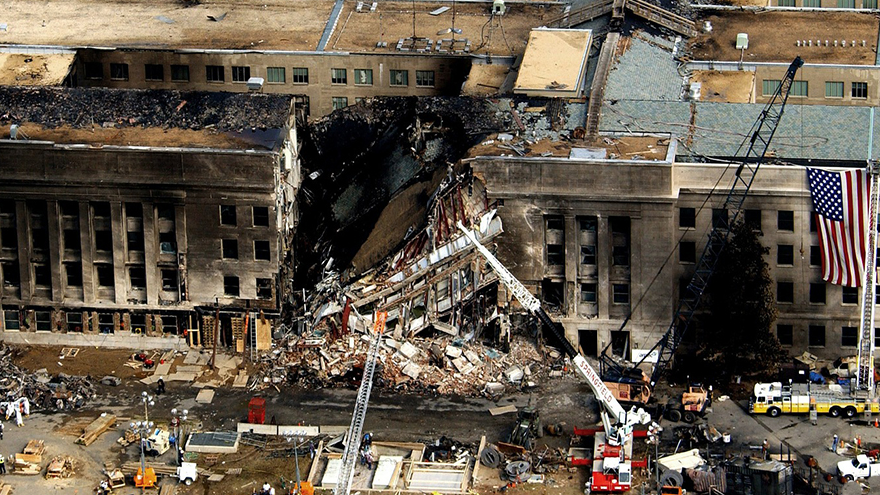
Lehrplanzentral und an den Bildungsstandards orientiert
Passend dazu
Peer Mediation
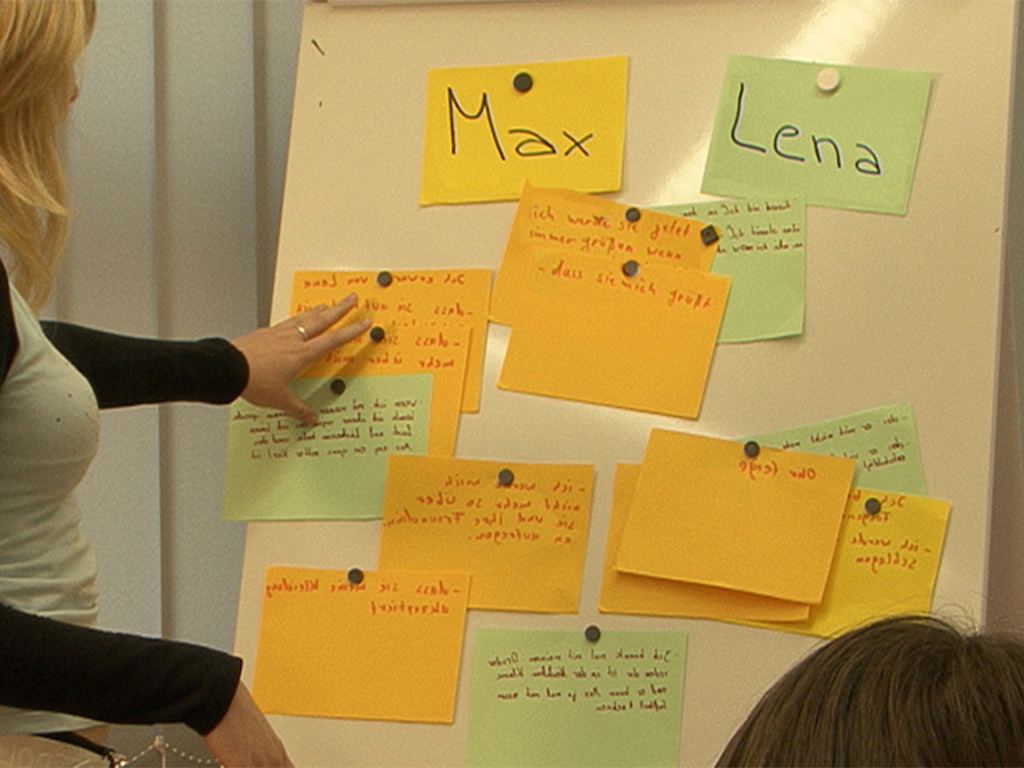
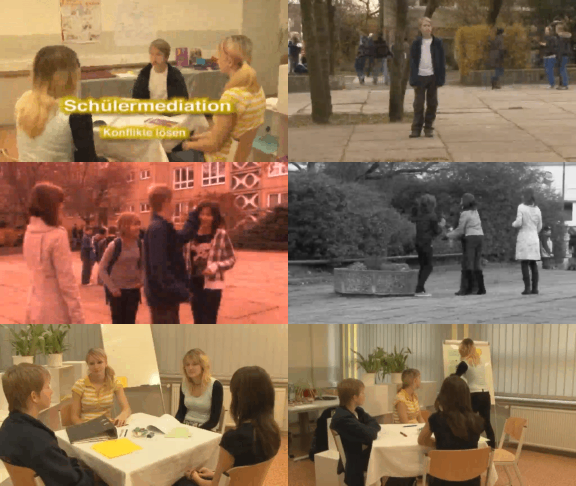
Lena and Max attend the 7th form. Max is new in class. During a break, Max notices that Lena and her friend are laughing at him again. Max loses his temper! He slaps Lena in the face. That hurts and Lena runs back into the classroom with a red cheek. The growing conflict between the two has escalated. Just like Lena and Max, every day pupils all over Germany have rows with each other. At the Heinrich Hertz Gymnasium in Thuringia, pupils have been trained as mediators for years. At set hours, they are in a room made available by the school specifically for mediation purposes. The film describes the growing conflict between Max and Lena and shows a mediation using their example. In doing so, the terms “conflict” and “peer mediation” are explained in a non-technical way. The aims of peer mediation and its progress in five steps as well as the mediators’ tasks are illustrated. The art of asking questions and “mirroring”, which the mediators must know, is described and explained. Together with the comprehensive accompanying material, the DVD is a suitable medium to introduce peer mediation at your school, too.
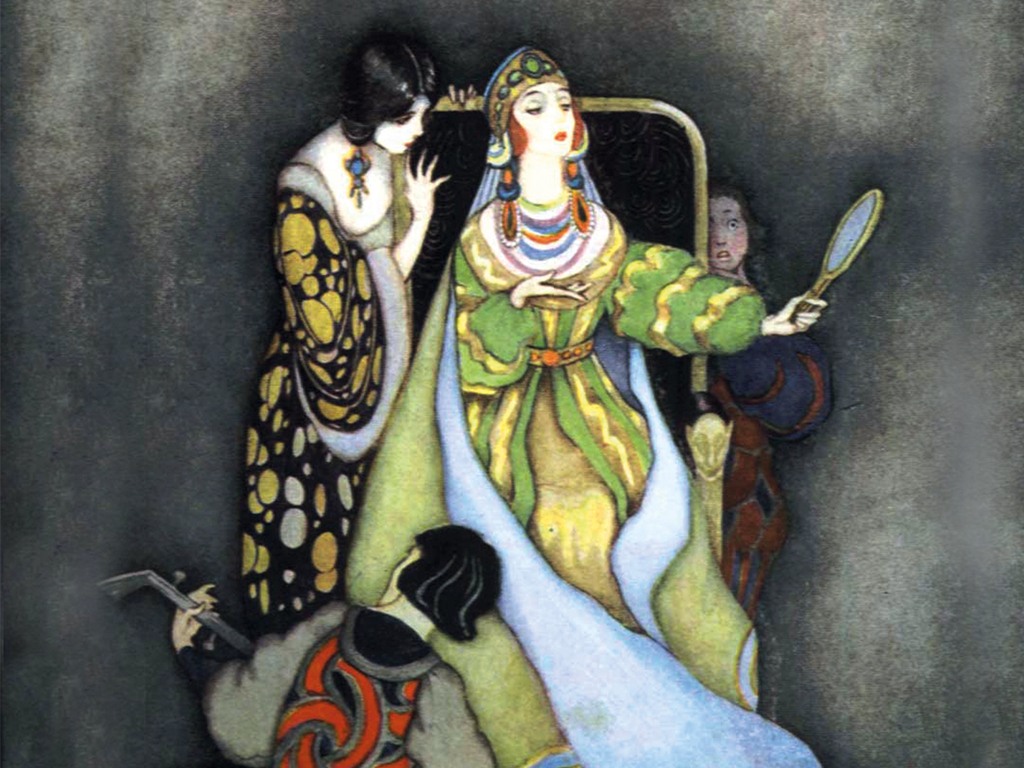
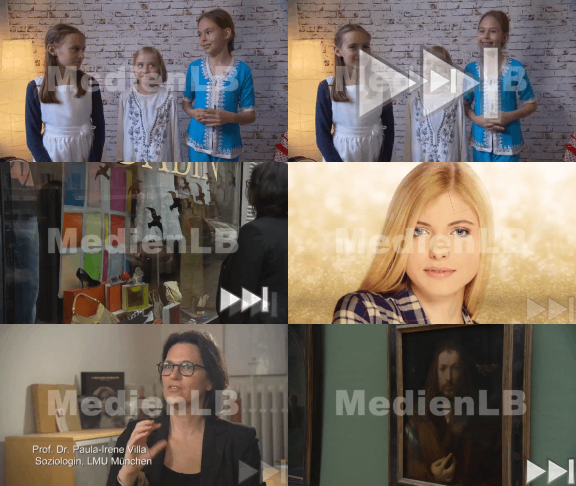
Ideals of Beauty
1. What Is Beautiful?
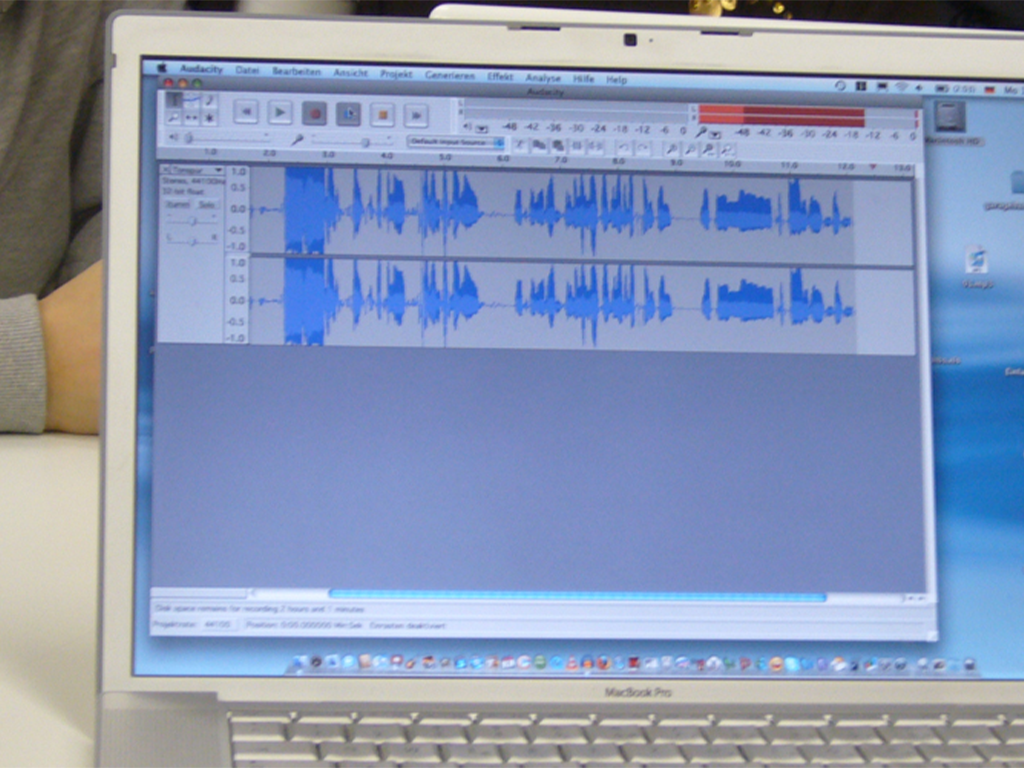
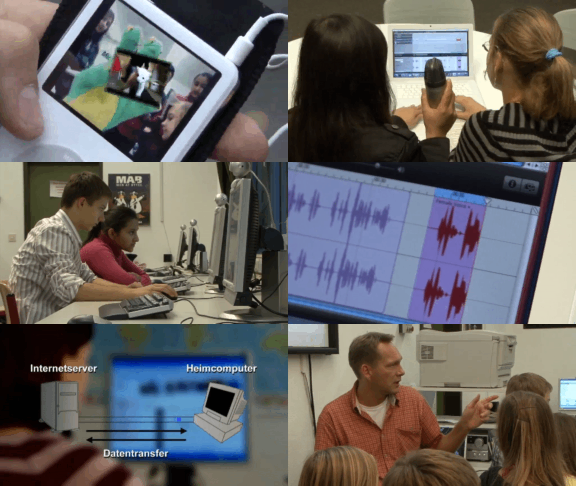
Podcasting
Today, the use of new media has become a matter of course not only in everyday life – schools and teaching, too, benefit from the new technologies and methods, which support active and independent learning. Especially in computer science, ethics and language courses but also in all other subjects, modern media are a valuable pedagogic and didactic asset. This DVD uses the example of podcasts to demonstrate how the possibilities opened up by new media can be applied in the classroom and how the pupils can be taught to handle them in a competent and target-oriented manner. The film is aimed at supporting the use of podcasts at school and encourages making them. This also requires the ability to find information on the Internet and assess it. The film informs on the functionality of podcasts and technical background as well as on the teaching and learning possibilities offered by podcasts – ranging from specific contents to superordinate learning targets such as the advancement of creativity and team spirit. The DVD is a useful support for teachers applying new media and wishing to show their pupils how to handle Running Time: 20:29 ms them in a sensible way.
