







 Gesellschaft
4667159 / 5558685
Aberglaube
Schwarze Katze und Co.
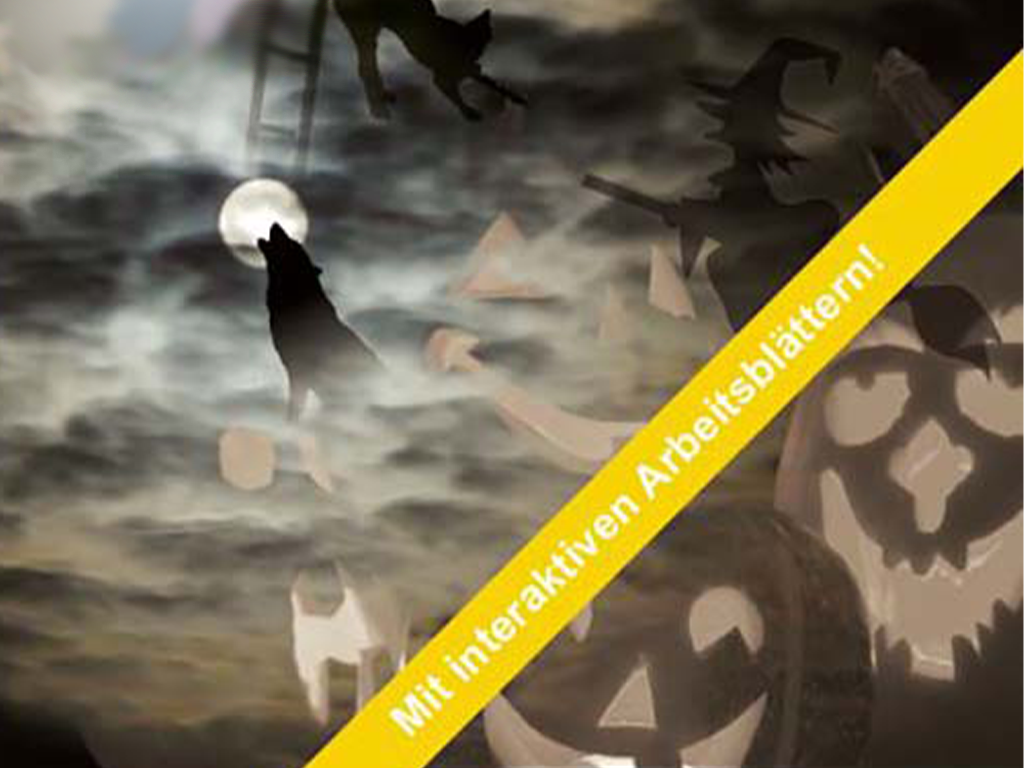
Glücksbringer, Geister, Horoskope – Fast jeder dritte Europäer ist in irgendeiner Weise abergläubisch. Doch was fällt eigentlich alles unter Aberglaube? Und ist jeder Aberglaube tatsächlich Hokuspokus? Manch eine Bauernregel kann z.B. mit einer meteorologischen Wettervorhersage standhalten. Die psychologische Wirkung von Glücksbringern ist auch nicht zu unterschätzen. Ob diese jedoch einem objektiven Test standhalten, ist fraglich. Dubiose Wahrsager bieten mittlerweile nicht mehr nur auf Jahrmärkten ihre Künste an, wobei sie allein mit einer geschickten Fragetechnik den Kunden auf Glatteis führen können.
Dagegen behaupten moderne Hexen, dass sie mit ihren magischen Kräften Zaubertränke brauen können. Doch wenn auch die meisten nicht an solche Medien glauben, lassen sich dennoch viele Formen des Aberglaubens in unserem Alltag finden: Gehören sie auch zu denen, die glauben, dass wenn sie eine Münze am Automaten reiben, sie nicht mehr durchfällt? Alles Quatsch! Viele beschleicht auch immer noch die unterschwellige Angst vor Freitag dem 13. und Ehepaare werden zittrig, wenn es um Brauchtümer bei einer Hochzeit geht.

Lehrplanzentral und an den Bildungsstandards orientiert
Passend dazu
Ceramic
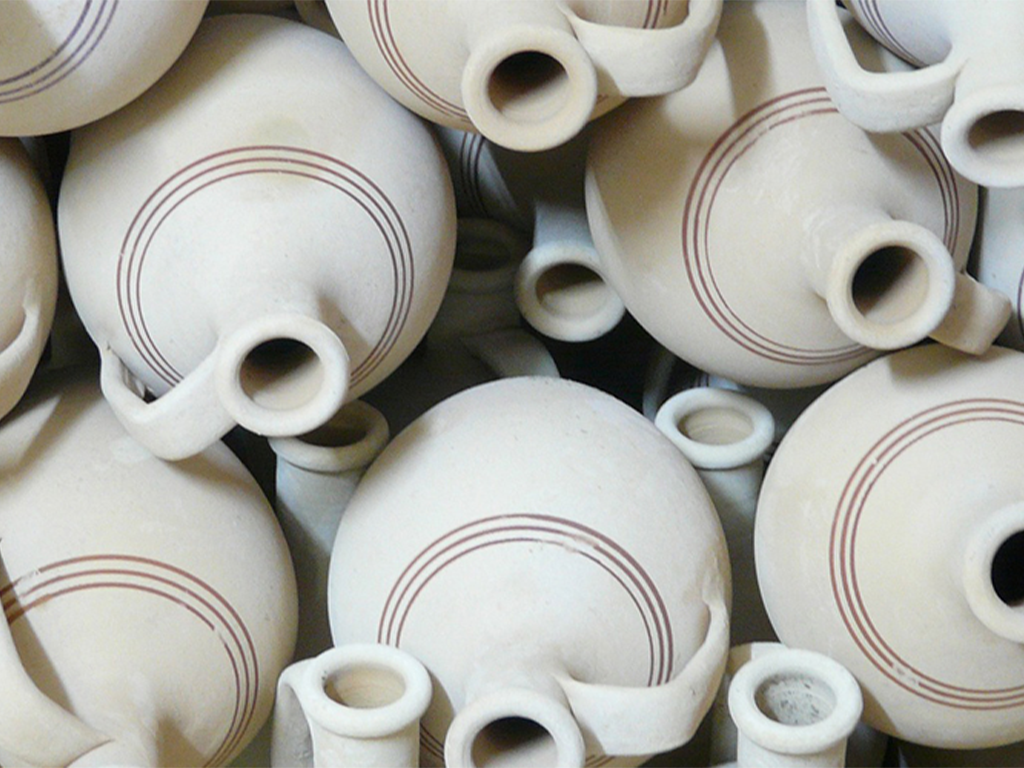
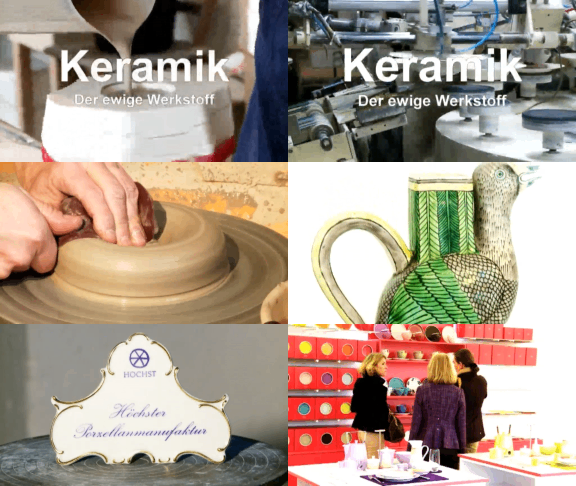
Ceramics are indispensable in our everyday lives. We eat from ceramic plates, drink from ceramic cups, use tiled ceramic bathrooms. But how is ceramic manufactured? The film reveals the secrets of this fascinating material! We get to know more about the beginnings of ceramic in the Old World of Egypt and Mesopotamia, about Greece, China and Rome. We gain interesting insights into the valuable earthenware and are also shown the exquisite further development of the "white gold". Today this versatile material is irreplaceable in industry, too. Whether in space or as an easily compatible substitute in medicine, ceramic is applied in many places.

Internet Addiction
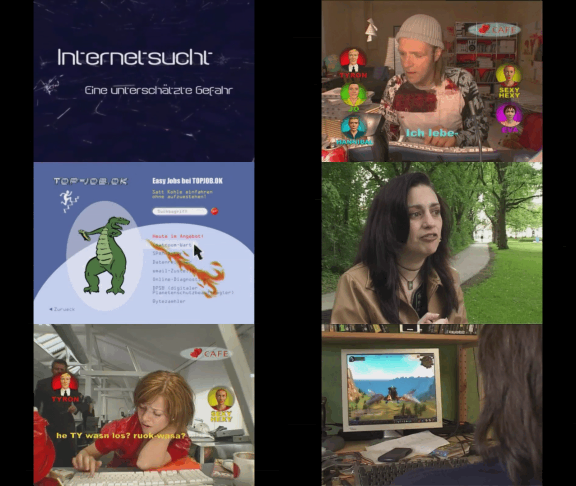
The film consists of two parts. The first part is the 15-minute short film “In the Net”. It describes the problem of excessive Internet use in a humorous way, in particular the risk of losing touch with reality when chatting. The second part illustrates with three real persons how Internet addiction can develop and the problems encountered by those who are afflicted. The authentic statements are commented by an experienced therapist. For many pupils, the issues addressed here are related to their everyday lives. What is a “sensible” use of the Internet, where does pathological addiction start? In contrast to addiction to alcohol, nicotine or drugs, the public seems to be largely ignorant of the problem of this addiction, which is not related to any substance abuse. The film provides material for discussion in the classroom (crossdisciplinary) and can be used as a basis for the formulation of prevention strategies.

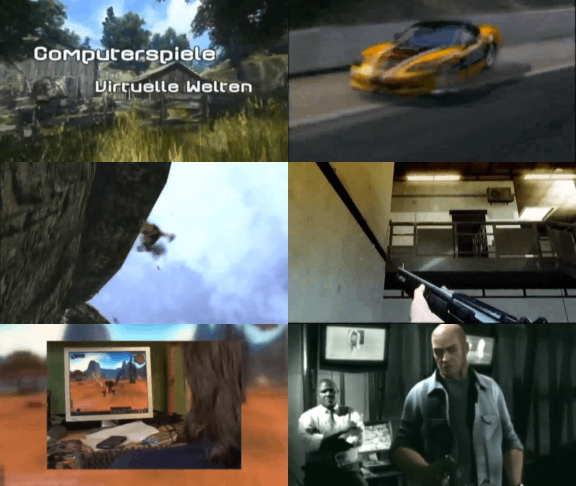
Computer Games
This film covers the topic of computer games in a variety of ways and from many different angles. Apart from the fascina- tion of computer games for users, the historical development as well as the production of computer games are described. The established genres are introduced, the guidelines of the German BPjM are explained. In light of recent public discussions, a neutral overview of the pros and cons of playing computer games is given, and different kinds of player behaviour are outlined. In this film, the pupils will recognise many aspects of their favourite pastime that encourage an independent, constructive use of this medium and reinforce their media competency. The film and teaching material are very closely related to the real-life situation.
