







 Biologie, Gesellschaft

4675544 / 5563693
Übergewicht
Werden Dicke diskriminiert?
Becky Pfleger erzählt: „Das Schlimmste, was ich je erlebt habe? … Ich wurde in der Bahn von einem Opa angeschrien: ‘Euch Dicke hätte man vergasen sollen wie die Juden damals!‘ “
Der Film begleitet drei übergewichtige Frauen in ihrem Alltag. Auf das Gewicht reduziert zu werden, im Alltag angestarrt und beschimpft zu werden, ist für sie harte Realität.
Es wird gezeigt, was Diskriminierung von „Dicken“ bedeutet. Der Film geht auch der Frage nach, ob Dicksein ausschließlich eine Frage der Selbstdisziplin ist.
Prof. Achim Peters, Adipositas-Spezialist sagt hierzu: „Das Dicksein hat nicht die Ursache der Willenlosigkeit, sondern der Energiebedarf des Gehirns spielt hier die entscheidende Rolle.“
Oft ist es so, dass dicke Menschen, wenn sie Stress haben, vom Gehirn den Befehl bekommen, noch mehr zu essen! Und genau da liegt das Problem: Wer dick ist, wird diskriminiert, hat somit Stress … und nimmt zu. Ein Teufelskreis!
Gemeinsam mit dem umfangreichen Unterrichtsmaterial ist der Film sehr gut zum Einsatz im Schulunterricht geeignet.
Im ausführlichen Datenteil der DVD 89 Seiten Unterrichts- und Begleitmaterial, davon:
23 Seiten Arbeitsblätter mit Lösungen!
20 Testaufgaben
5 Seiten ergänzendes Unterrichtsmaterial mit Lösungen!
5 Arbeitsblätter für interaktive Whiteboards!
5 Master Tool Folien

Lehrplanzentral und an den Bildungsstandards orientiert
Passend dazu


Saisonal und gesund kochen
Selber kochen macht Spaß und mit saisonalen und regionalen Zutaten tut man auch etwas für die CO2-Bilanz.


Gedenk- und Feiertage
Feiertage gibt es in allen Kulturen. Es sind Festtage mit entweder gesellschaftlichem, religiösem oder politischen Hintergrund. Diese Feiertage finden jährlich an einem festgelegten Tag statt. In Deutschland gibt es Feiertage, an denen flächendeckend nicht gearbeitet wird. Hierbei handelt es sich um gesetzliche Feiertage. Bei anderen Feiertagen, meist mit religiösem Hintergrund, entscheiden die Bundesländer individuell, ob es sich um einen tatsächlich arbeitsfreien Tag handelt. Im Film beschrieben werden nicht nur Feiertage in Deutschland, sondern auch z.B. islamische Feiertage, oder der Christopher Street Day als politisches Statement.
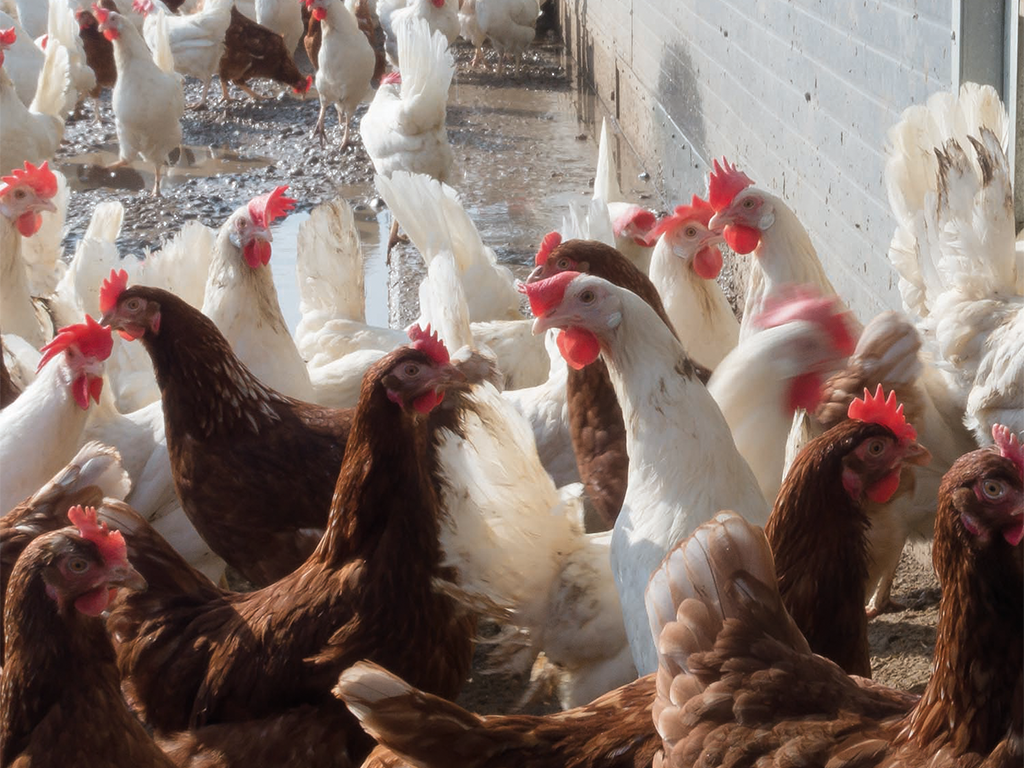

Massentierhaltung
Ein Kilogramm Hühnerschenkel für 99 Cent – dieser Preis lässt sich nur erreichen, wenn die Herstellungskosten massiv niedrig gehalten werden. Der Film geht der Frage nach, unter welchen Bedingungen Tiere für die industrielle Verwertung gehalten werden. Welche Möglichkeiten die Verbraucherinnen und Verbraucher haben, auf diese Bedingungen Einfluss zu nehmen, ist der Inhalt eines eigenen Kapitels.
