





Grundschule

4668258 / 5559749
Müllvermeidung
Was kann man tun ?
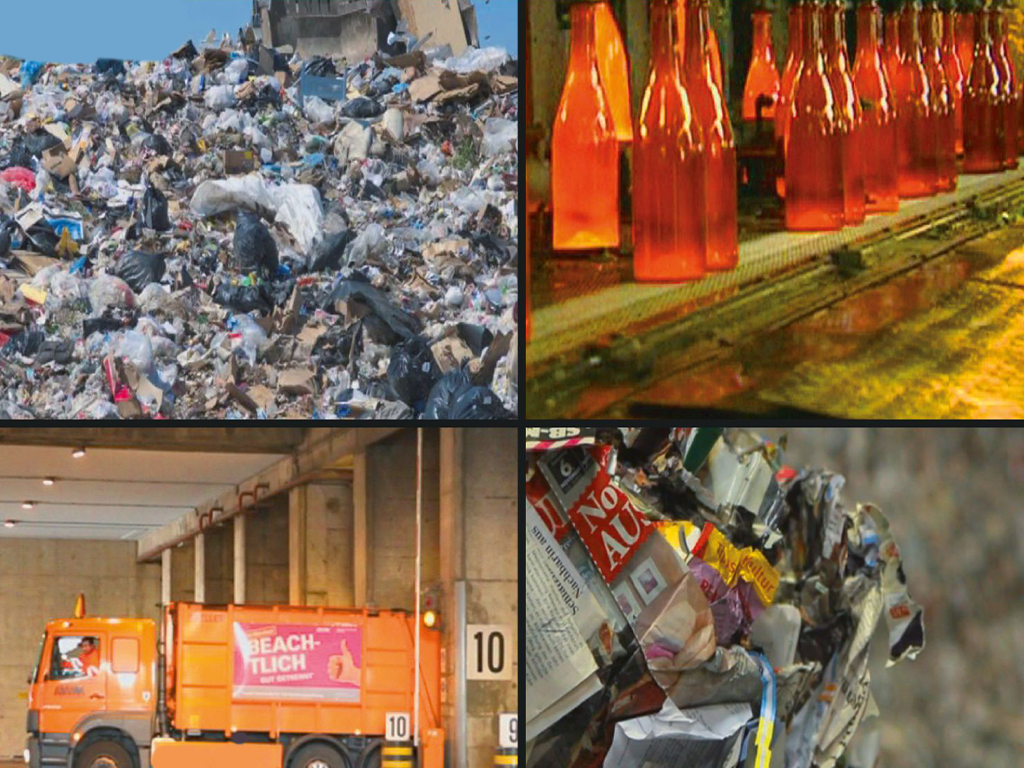
In dieser Ausgabe von „Schau dich schlau!“ erfahren Sie alles, was man über Müll wissen muss. Jeder Deutsche hinterlässt jedes Jahr fast eine halbe Tonne Abfall. Wie kann man diesen gewaltigen Müllberg reduzieren? Die Wissensreporter Joey Grit Winkler und Fero Andersen wagen das spannende Experiment und wollen 24 Stunden lang keinen Müll produzieren. Joey Grit Winkler und Fero Andersen wagen ein radikales Experiment und treten in einen Müllvermeidungs-Wettstreit. Sie wollen 24 Stunden lang keinen Müll produzieren. Schnell stellt sich die Frage: Was können die beiden eigentlich noch essen? Wo können sie einkaufen? Und wie vermeiden sie es, mit Werbeprospekten und Verpackungsmaterial überschwemmt zu werden? Das Experiment zeigt, welchen Abfall wir tagtäglich produzieren und mit welchen Tricks wir unseren persönlichen Müllberg schrumpfen lassen können. In dieser Folge „Schau dich schlau!“ bekommen die Zuschauer außerdem Antworten auf folgende spannende Fragen: Lohnt es sich, Flaschen nach Farben zu trennen? Landet unser sorgfältig getrennter Müll am Ende doch in der Müllverbrennungsanlage? Welche Trendsportart verbirgt sich hinter dem Begriff „Dumpster Diving“, und wie kann man aus dem Datenmüll auf zerkratzten CDs und magnetisierten Festplatten wieder die ursprünglichen Informationen zurückgewinnen?
Trailer abspielen
Lehrplanzentral und an den Bildungsstandards orientiert
Passend dazu
Computer Games
This film covers the topic of computer games in a variety of ways and from many different angles. Apart from the fascina- tion of computer games for users, the historical development as well as the production of computer games are described. The established genres are introduced, the guidelines of the German BPjM are explained. In light of recent public discussions, a neutral overview of the pros and cons of playing computer games is given, and different kinds of player behaviour are outlined. In this film, the pupils will recognise many aspects of their favourite pastime that encourage an independent, constructive use of this medium and reinforce their media competency. The film and teaching material are very closely related to the real-life situation.
Podcasting
Today, the use of new media has become a matter of course not only in everyday life – schools and teaching, too, benefit from the new technologies and methods, which support active and independent learning. Especially in computer science, ethics and language courses but also in all other subjects, modern media are a valuable pedagogic and didactic asset. This DVD uses the example of podcasts to demonstrate how the possibilities opened up by new media can be applied in the classroom and how the pupils can be taught to handle them in a competent and target-oriented manner. The film is aimed at supporting the use of podcasts at school and encourages making them. This also requires the ability to find information on the Internet and assess it. The film informs on the functionality of podcasts and technical background as well as on the teaching and learning possibilities offered by podcasts – ranging from specific contents to superordinate learning targets such as the advancement of creativity and team spirit. The DVD is a useful support for teachers applying new media and wishing to show their pupils how to handle Running Time: 20:29 ms them in a sensible way.
Peer Mediation
Lena and Max attend the 7th form. Max is new in class. During a break, Max notices that Lena and her friend are laughing at him again. Max loses his temper! He slaps Lena in the face. That hurts and Lena runs back into the classroom with a red cheek. The growing conflict between the two has escalated. Just like Lena and Max, every day pupils all over Germany have rows with each other. At the Heinrich Hertz Gymnasium in Thuringia, pupils have been trained as mediators for years. At set hours, they are in a room made available by the school specifically for mediation purposes. The film describes the growing conflict between Max and Lena and shows a mediation using their example. In doing so, the terms “conflict” and “peer mediation” are explained in a non-technical way. The aims of peer mediation and its progress in five steps as well as the mediators’ tasks are illustrated. The art of asking questions and “mirroring”, which the mediators must know, is described and explained. Together with the comprehensive accompanying material, the DVD is a suitable medium to introduce peer mediation at your school, too.